
Yeonginsan Recreational Forest (아산 영인산자연휴양림 숲속야영장)
17.6Km 2022-09-07
16-26, Asanoncheon-ro, Asan-si, Chungcheongnam-do
Yeonginsan Recreational Forest is situated on Yeonginsan Mountain in Asan-si, Chungcheongnam-do. The summit of the mountain provides a panoramic view of the surroundings including the west sea, Sapgyocheon Stream, and more. Various facilities are also available including accommodations and water play site. There are many tourist attractions nearby for visitors to enjoy.
Bongjae Fishing Area (봉재낚시터)
17.7Km 2024-02-28
1258-27, Chungmu-ro, Dunpo-myeon, Asan-si, Chungcheongnam-do
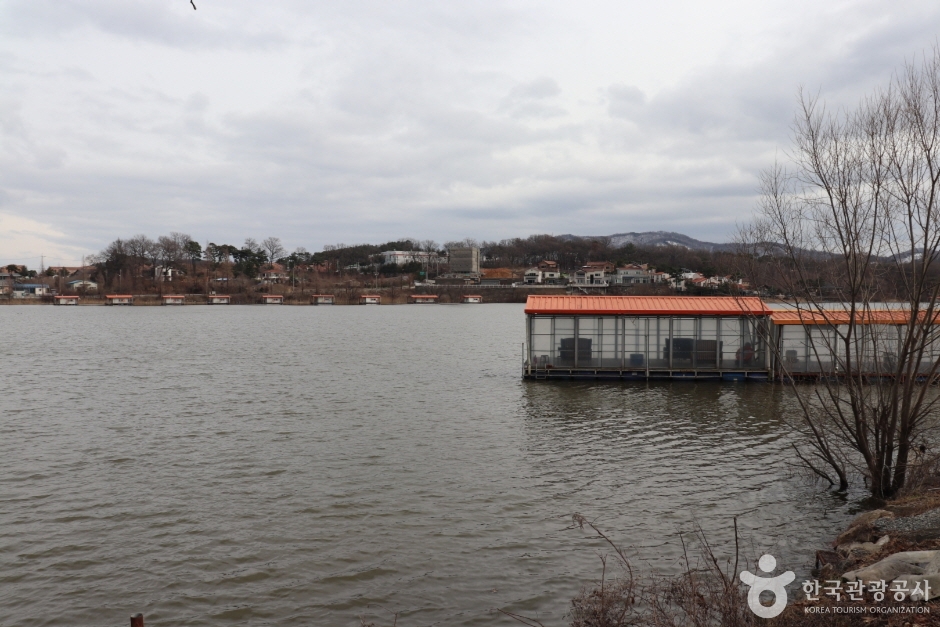
Bongjae Fishing Area is in the Bongjae Reservoir, located north of Asan. Fishing can be enjoyed by the lakeside or on the fishing platforms, even in the early morning. Mini pensions, restaurants, and convenience stores can be found nearby. The platforms are also equipped with a variety of amenities. Aside from fishing, one can also enjoy the view of the area on foot or in a car.
Yeongi Folk Museum (연기향토박물관)
18.2Km 2025-05-20
34-4, Yangdae-gil, Yeonseo-myeon, , Sejong-si
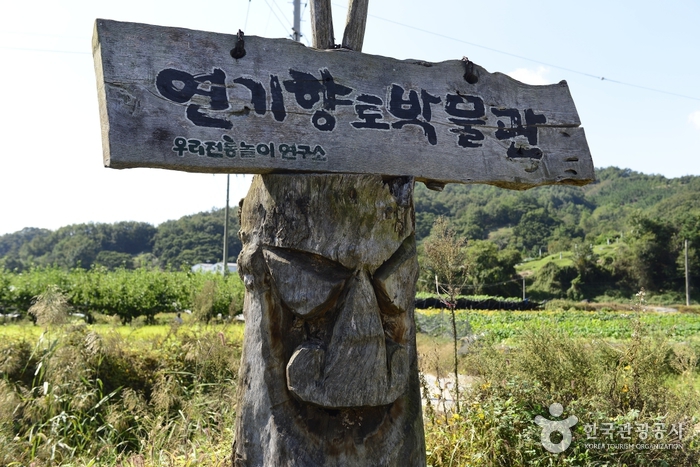
Opened in August 1966, the Yeongi Folk Museum showcases relics found in the old site of Sejong Special Self-Governing City. Over 1,000 relics, including Buddhist statues, weapons, pagodas, earthenware, porcelain, bronze ware, roof tiles, paintings, letters, houseware, kitchenware, farming tools, and others are arranged by era.
Paradise Spa Dogo (파라다이스 스파 도고)
18.7Km 2025-10-23
176 Dogooncheon-ro, Asan-si, Chungcheongnam-do
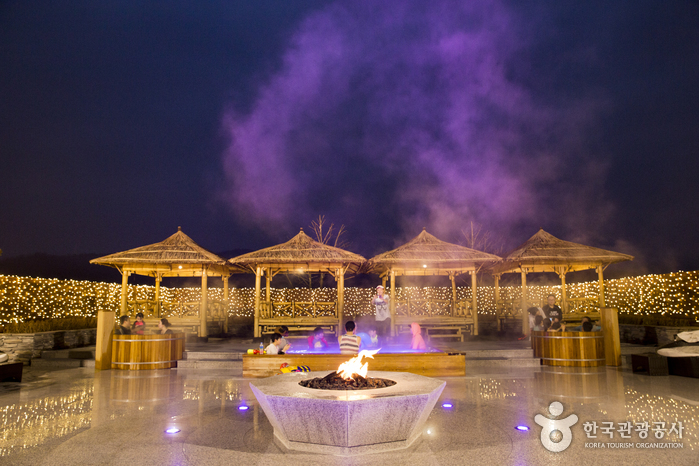
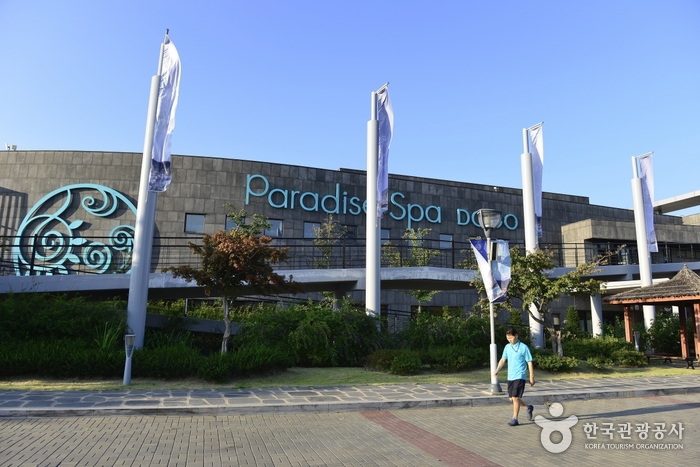
Paradise Spa Dogo, a government-designated hot spring in Korea, is a large resort facility opened by the Paradise Group in Asan, Chungcheongnam-do, an area renowned for its hot springs. It is the first government-designated hot spring in Chungcheong-do, a designation granted after review and approval by the Ministry of the Interior and Safety. Spanning an area of 24,622 square meters, the facility can accommodate up to approx. 5,000 guests. It has a Bade (meaning bathing) pool, which can also be used for hydrotherapy; a large hot spring bath where you can enjoy a sauna and relax in warm sulfur spring water year-round; and various water recreational facilities. In particular, the outdoor event spa, featuring various seasonal themes, is quite popular. In winter, you can enjoy a Siberian ginseng water bath, a ginger water bath, a tangerine peel water bath, and many more. Additionally, unique weekend package programs await you with activities like kimchi-making, persimmon-picking, and ranch experiences in addition to enjoying the hot spring.
Gobok Natural Park (고복자연공원)
18.8Km 2025-05-20
586, Dosingobok-ro, Sejong-si
Gobok Natural Park spans an area of 1,840,000 square meters and nearby attractions include a forest, Yonggul Cave, Sinheungsa Temple, and an outdoor sculpture park on Obongsan Mountain. A 3.65-kilometer-long deck circles the reservoir. The neighboring village is home to orchards for growing grapes, peaches, and pears. The park has a large meeting square and the outdoor sculpture park features works by Ewha Woman's University art professor Kang Tae-seong, attracting many visitors. The park is especially popular in summer when the outdoor swimming pool is open. In spring, people flock to Millakjeong Pavilion to view the cherry blossoms. There are many restaurants nearby specializing in galbi (ribs), Hanbang ori (duck with medicinal herbs), and megi maeuntang (spicy catfish stew), as well as cafes overlooking the natural scenery.
Asan-si Hot Springs Special Tourist Zone (아산시 온천 관광특구)
18.9Km 2024-03-15
1459 Oncheon-daero, Asan-si, Chungcheongnam-do
The Asan-si Hot Springs Special Tourist Zone encompasses three major hot springs: Onyang, Dogo, and Asan Hot Springs. Onyang Hot Springs is the oldest hot springs complex in Korea, and Dogo Hot Springs is famous as a therapeutic destination. Asan Hot Springs is situated north of Asan and features a unique water park that utilizes the natural hot springs water. All three locations are equipped with hotels that provide guests with direct access to the therapeutic waters.
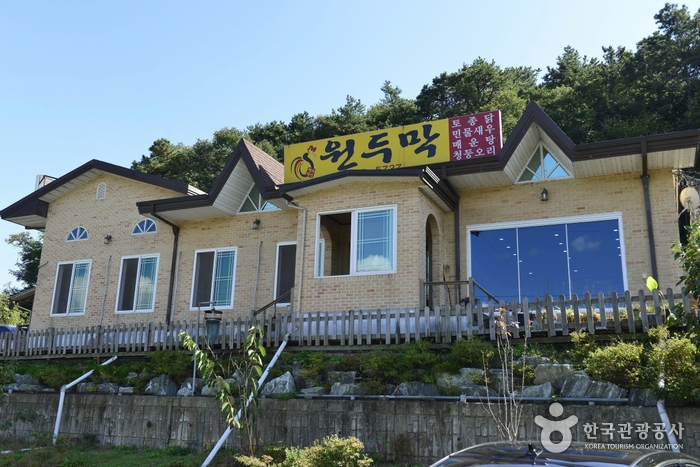
Wondumak (원두막)
18.9Km 2025-08-18
154, Ansan-gil, Yeonseo-myeon, , Sejong-si
Wondumak is a Korean restaurant specializing in hot soups. Popular menu items include minmul saeutang (spicy fresh water shrimp soup), megi maeuntang (spicy catfish soup), and tojong dakdoritang (chicken hot pot). The restaurant also offers fantastic views of the Gobok Reservoir.
 English
 한국어
한국어 日本語
日本語 中文(简体)
 Deutsch
 Français
 Español
 Русский


