Insa-dong Antique Art Street (인사동 고미술거리)
15.6Km 2025-03-16
29 Insadong-gil, Jongno-gu, Seoul
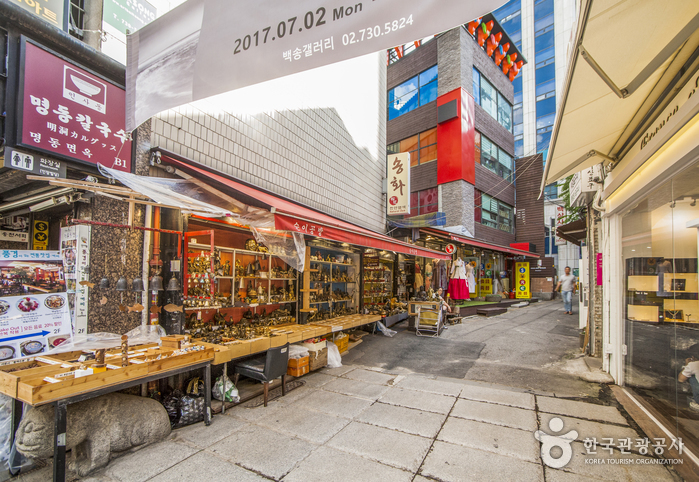
As of today, there are approximately 70 shops in the Insa-dong area that sell antique arts. Some of the products they sell include antique artworks, porcelains, woodcrafts, and metalwork. Visitors may even find rare and valuable products such as earthenware from the Silla period or white porcelain used in the Joseon dynasty. Each shop is a specialty store, authorized to sell product types that are of their expertise, ranging from antique furniture and traditional artworks to handcrafted items.
Seoul Art Center Gongpyeong Gallery (서울아트센터 공평갤러리)
15.6Km 2021-06-19
24, Insadong-gil, Jongno-gu, Seoul
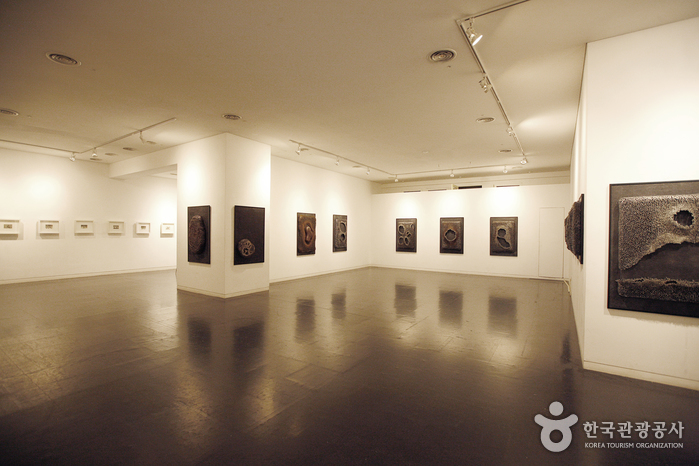
Opened in 1992, Seoul Art Center Gongpyeong Gallery is a 17,791㎡, two-story building with four exhibition halls. It is one of the main galleries of Insa-dong, displaying diverse artwork ranging from Western and Korean paintings to sculptures. Due to the great interest in Korean paintings, 2~3 of the annual long-term exhibitions focus solely on them.
Cheonggyecheon Old Books Street (청계천헌책방거리)
15.6Km 2023-12-22
20 Jangchungdan-ro 13-gil, Jung-gu, Seoul
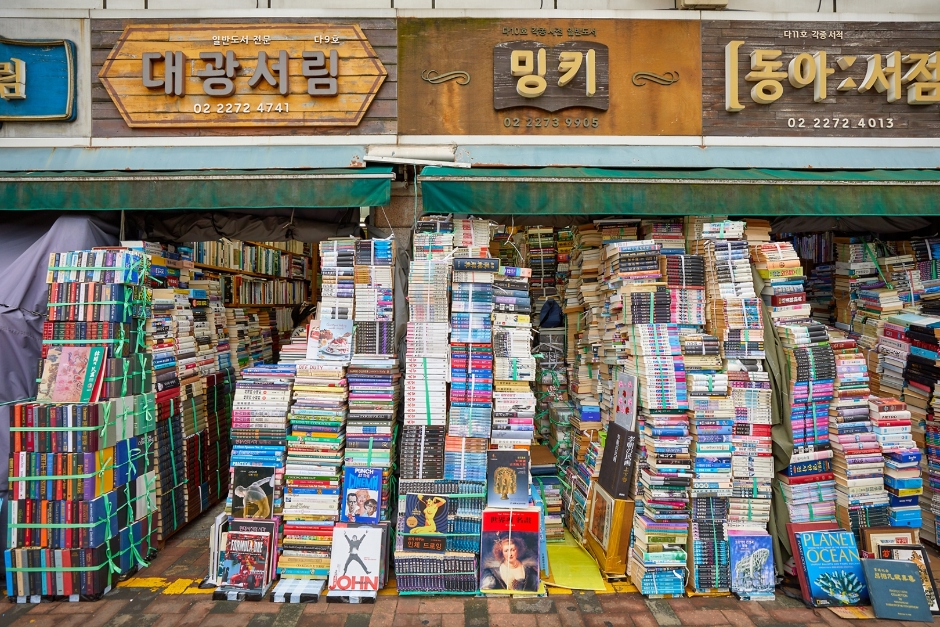
Walking east along Cheonggyecheon Stream, which flows near Sewoon Plaza, you will see a cluster of small bookstores. Books published 30 to 50 years ago, and various out-of-date magazines are piled up in about ten bookstores. You can indirectly experience the old culture and history that formed the basis of K-content, and sometimes you can also find foreign books. Nearby is Dongdaemun Market, a wholesale market selling various subsidiary materials, and Pyounghwa Market (open from night to early morning), where you can browse clothing fabrics, which are excellent places to visit together.
STAY dayoff (스테이 데이 오프)
15.6Km 2024-12-23
6 , Jahamun-ro 1da-gil, Jongno-gu, Seoul
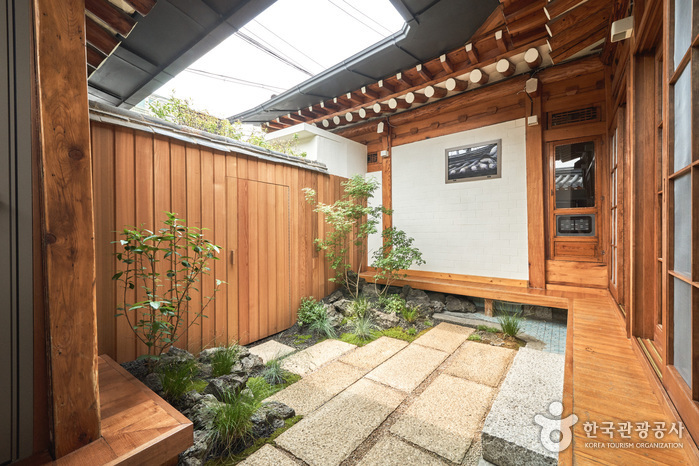
Stay Day Off is a hanok stay just off Jahamun-no - known locally as ‘Food Street’ - in Seochon Village to the west of Gyeongbokgung Palace in Seoul. It’s a 5-minute walk from Gyeongbokgung Station on Subway Line 3, so transport access is good. The main building comprises two bedrooms with queen-size bed, a living room and kitchen, and two bathrooms. The annex building is rather special: it has a bath and sauna behind a window wall with a fine view of the hanok garden. There’s a 10% discount for guests staying more than two nights during the week.
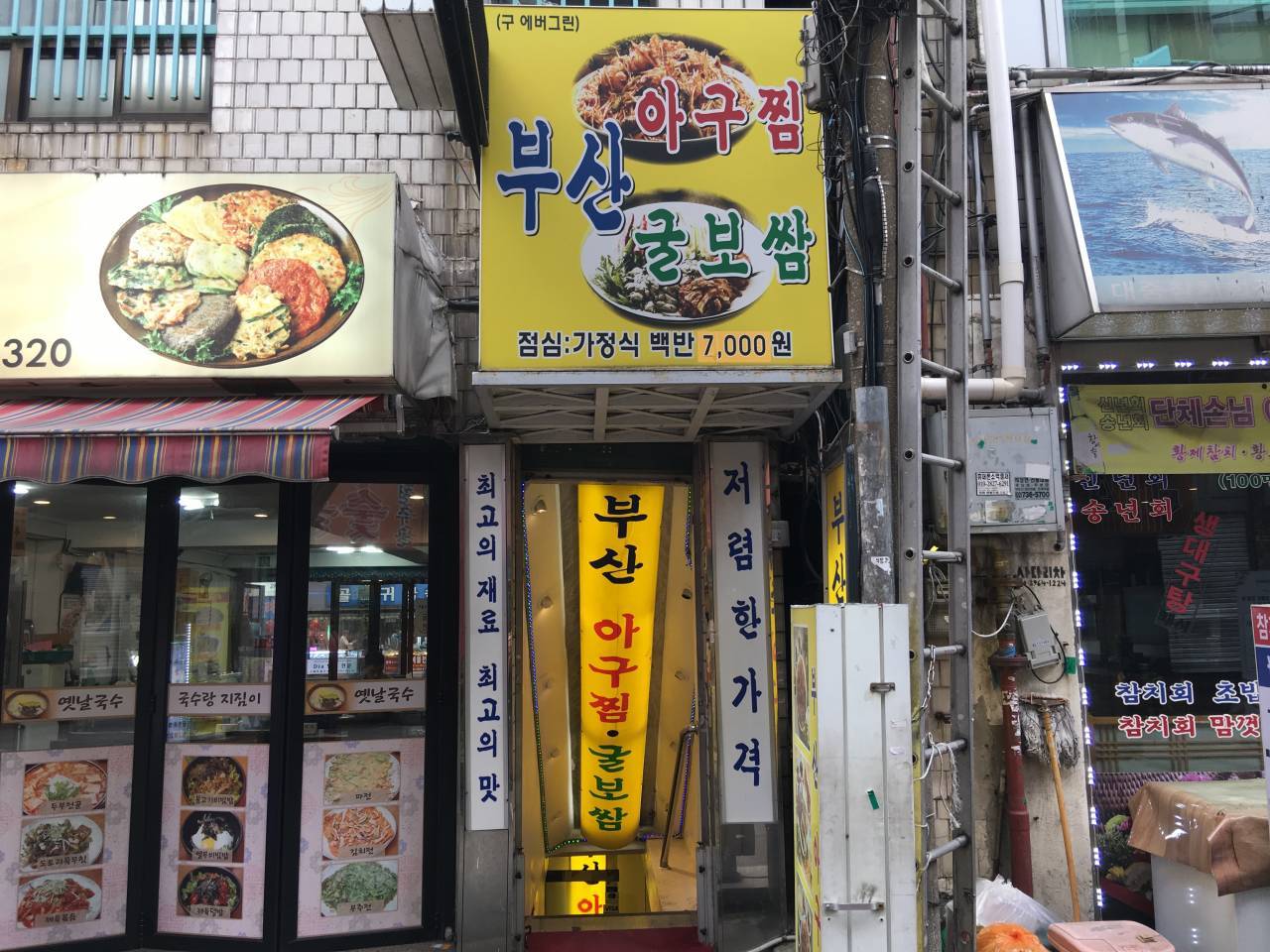
Busan Agujjim Gulbossam (부산아구찜굴보쌈)
15.6Km 2024-10-15
서울특별시 종로구 돈화문로 35
This is a Korean cuisine located in Jongno, Seoul. The best menu at this restaurant is spicy braised monkfish. Stewed monkfish is a spicy seafood dish made of fish and vegetables.
Seoul International Writers' Festival (서울국제작가축제)
15.6Km 2025-07-30
26 Insadong 9-gil, Jongno-gu, Seoul
+82-70-8826-5207
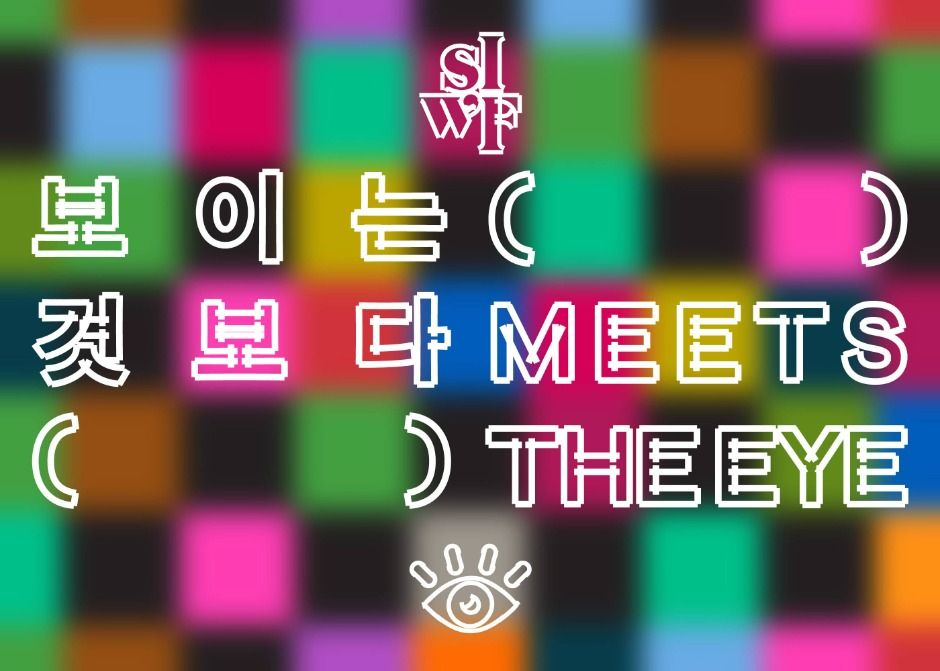
Seoul International Writers' Festival was founded in 2006 with aims to lay a foundation for connecting Korean literature and international literature. This year's theme is "() Meets the Eye," inviting attendees to explore the beauty of literature that is much more than meets the eye.

Jogyesa Temple (조계사(서울))
15.6Km 2024-10-25
55 Ujeongguk-ro, Jongno-gu, Seoul
As the main temple as well as the district head temple of the Jogye order in Seoul, Jogyesa Temple is the center of Korean Buddhism. The temple was built in the late 14th century during the Goryeo period but was completely destroyed in a fire. It was rebuilt under the name of Gakwangsa Temple in 1910 with the effort of many respectful monks, namely Han Yong-un and Lee Hee-gwang. The temple was given a role as the head temple of Korea’s Buddhism and renamed to Tegosa Temple in 1936. In 1954, a purification drive took place to eliminate Japanese influence and revive traditional Buddhism, which established the present day Jogyesa Temple as a result.
Jogyesa Temple plays an important role in Korean Buddhism as the head temple of the Jogye order. Jogyesa Temple’s Dharma Hall serves as the main venue for several Buddhist events, holding rituals, lectures, ceremonies, and other events all year long. The annual lantern festival in celebration of Buddha's birthday also takes place at this temple.
Sejong Village Food Street (세종마을 음식문화거리)
15.6Km 2025-06-17
Chebu-dong, Jongno-gu, Seoul
Previously known as Geumcheongyo Market, it was officially named Sejong Village Food Street in 2011, as King Sejong was born in this village. The street is full of lively energy and features both long-standing restaurants, also known as nopo in Korean, and recently established trendy eateries. Its convenient location and inviting atmosphere make it a popular place to visit.
Insadong Cultural Street (인사동 문화의 거리)
15.6Km 2023-12-26
Insa-dong, Jongno-gu, Seoul Metropolitan City
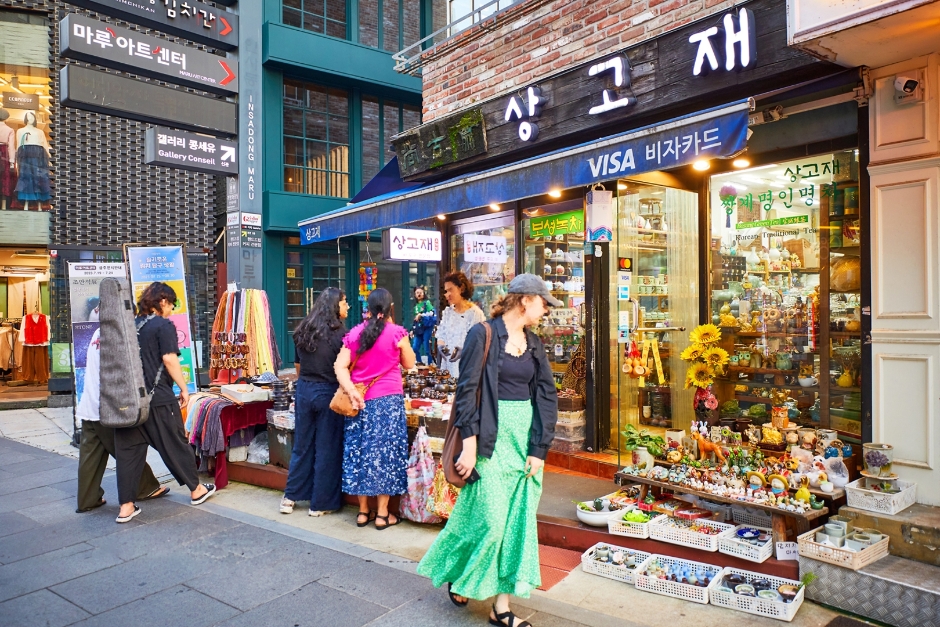
Insadong Cultural Street is a popular tourist destination for visitors from all around the world, thanks to its numerous art galleries, restaurants serving Korean table d’hote, traditional teahouses, and street vendors lining the streets. Its most recognizable feature is the use of Hangeul (Korean script) in storefronts, which allows the visitors to really see just what makes this place so special. Unlike the nearby Ikseon-dong Hanok Street, Insadong Cultural Street has larger streets with wider stores, so it is much easier to traverse. On evenings and weekends, one can find buskers performing on the side of the road.
Seoul Hanok Stay (JNP Stay) (서울한옥스테이(jnpstay))
15.6Km 2024-10-30
7-28 , Jahamun-ro 1na-gil, Jongno-gu, Seoul
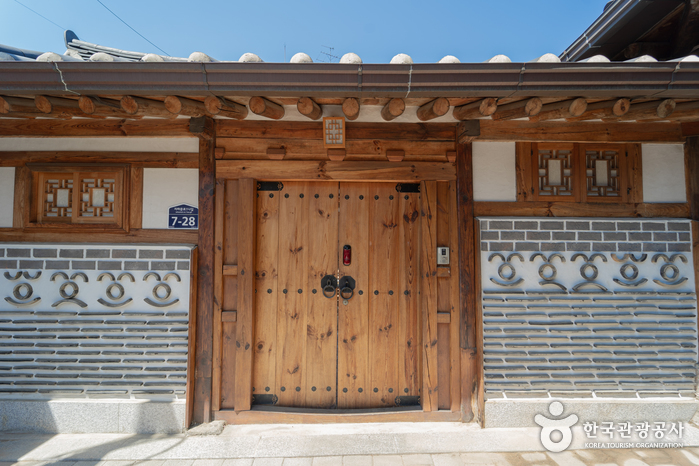
Seoul Hanok Stay (JNP Stay) is a private hanok stay located 3 minutes' walking distance from Gyeongbokgung Station. You can play traditional Korean games such as jejichagi (hacky sack), yut nori (board game), and tuho (arrow-throwing) in the yard, and cooking barbecue adds to the charm of the hanok. From the yard, you can enjoy the sky view, feel the gentle breeze, and observe raindrops falling from the eaves.
 English
 한국어
한국어 日本語
日本語 中文(简体)
 Deutsch
 Français
 Español
 Русский


