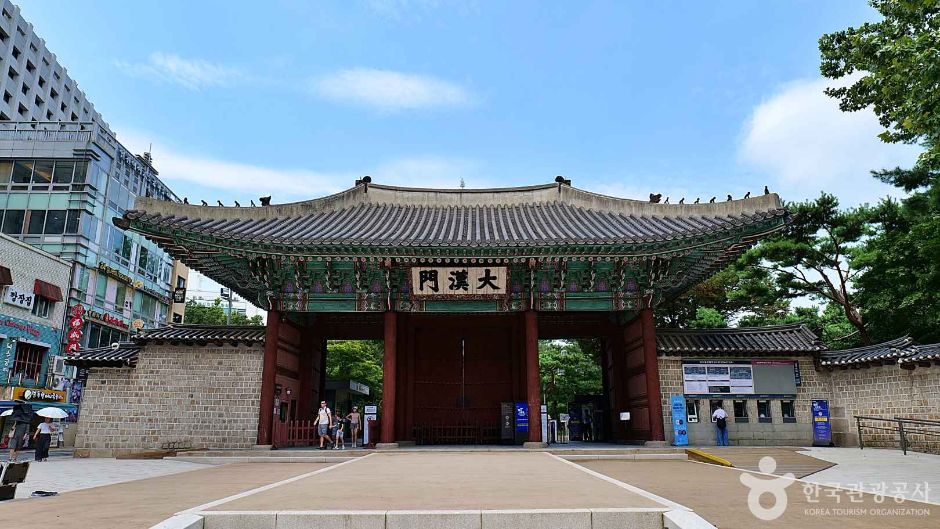
Deoksugung Palace's Daehanmun Gate (덕수궁 대한문)
10.7Km 2025-01-13
99 Sejong-daero, Jung-gu, Seoul
Located near City Hall station, Daehanmun Gate is the main gate of Deoksugung Palace, one of the princiapl five palaces of Joseon dynasty. The name "Daehan" means wish for eternal prosperity of the Korean Empire. In front of the gate, the Palace Royal Guard Changing Ceremony is held twice daily, along with the reproduction of costumes and style throughout the year.

Seodaemun Independence Park (서대문독립공원)
10.7Km 2022-12-15
251, Tongil-ro, Seodaemun-gu, Seoul
Seodaemun Independence Park was built on the former Seoul Detention Camp. It was used to imprison thousands of Korean independence activists until the liberation from the Japanese occupation on August 15, 1945, as well as the political prisoners during the political turmoil in the 1960s. When the prison was moved to Uiwang-si, Gyeonggi-do in November 1987, the area was restored and turned into a memorial park in August 15, 1992 to honor the sacrifices of the martyrs. The park preserves seven prison buildings, an execution ground, underground women’s prison, and the March 1st Movement Monument that has been moved from Tapgol Park in Jongno.
One of the most significant monuments of the Seodaemun Independence Park is Dongnimmun Gate (Independence Gate), which has been designated a Historic Site. Nearby is Dongnipgwan (Independence Hall), originally called Mohwagwan, which was used to greet Chinese envoys during the Joseon dynasty. Today, the hall enshrines 2,327 tablets inscribed with the names of Koreans who died for the cause of national independence. Standing right next to Dongnimmun Gate are the remnants of Yeongeunmun Gate, another Historic Site. Other sights inside the park include the Patriotic Martyr Monument, Declaration of Independence Monument, and Statue of Dr. Seo Jae-pil, who was an independence activist and publisher of Korea’s first independent newspaper. The main highlight of the park is the Seodaemun Prison History Hall, a former prison building that was renovated into a history museum.
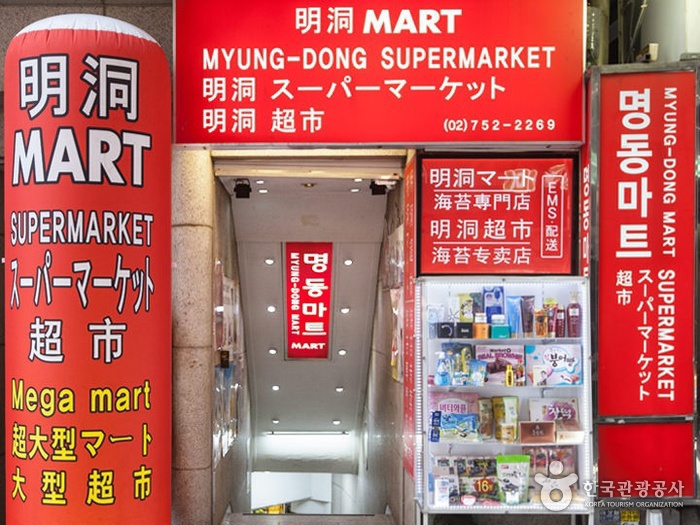
Harmony Mart Myeong-dong Station Branch (하모니마트 명동역점)
10.7Km 2024-12-23
58 , Myeongdong 10-gil, Jung-gu, Seoul
Harmony Mart Myeongdong Station Branch is a discount supermarket specializing in Korean products popular with foreign tourists. It’s on the 1st basement floor of the Shinil Building annex, just a minute's walk from Exit 8 of Myeongdong Subway Station, Jungu, Seoul. Shop here for kimchi, seaweed, ginseng products, tea, ramen, handicrafts, daily necessities and souvenirs. English, Chinese, and Japanese are spoken, and payments can be made in yen and yuan. With purchases of KRW 50,000 or more, there’s free delivery to accomodations within a 5km radius.
Reberry Clinic Myeongdong (리베리의원 명동점)
10.7Km 2025-11-28
#201, 2nd Floor & #301, 3rd Floor, 58 Myeongdong 10-gil, Jung-gu, Seoul
1. A dedicated medical director is personally assigned to each client, ensuring responsible and individualized care.
2. We go beyond consultation — every session is a professional medical treatment.
3. With our LifeBiz AI-powered 3D analysis camera, we provide an objective and precise facial assessment.
4. Our treatments are guided by a scientific skin-type classification system for accurate and tailored results.
5. Through 3D facial analysis, pigmentation diagnosis, and skin-type classification, we design a fully customized treatment pathway.
6. At Libery Clinic Aesthetic, we offer not only advanced medical procedures, but also warm décolleté and therapeutic massage care for a holistic experience.
Arumdaun Nara Dermatology Clinic - Myeongdong (아름다운나라피부과의원 명동점)
10.7Km 2025-11-21
4th Floor, 6 Myeongdong 8na-gil, Jung-gu, Seoul
Founded in 2000. Our clinic is led by a board-certified dermatologist. One of only 2% of doctors in Korea who are certified dermatology specialists who personally provides all consultations and treatments.
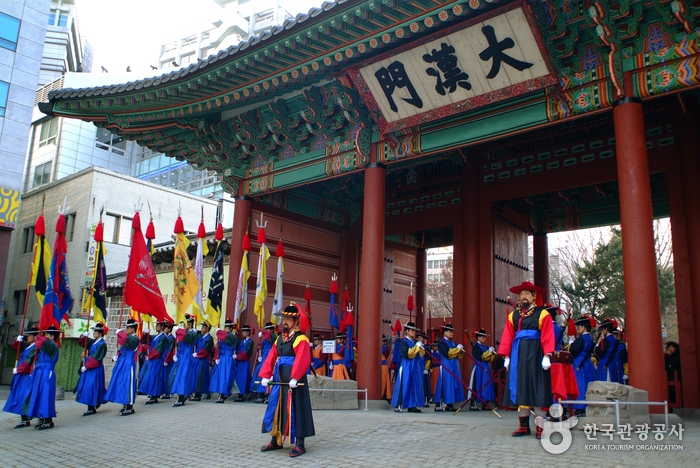
Deoksugung Palace Royal Guard Changing Ceremony (덕수궁 왕궁수문장교대의식)
10.8Km 2025-07-11
99, Sejong-daero, Jung-gu, Seoul
• 1330 Travel Hotline: +82-2-1330 (Korean, English, Japanese, Chinese) • For more info: +82-2-737-6444
Deoksugung Palace has held a guard changing ceremony since 1996 after thorough historical research by leading historians. The ceremony, which is held in front of Daehanmun Gate of Deoksugung Palace, is a tradition similar to the Changing of the Guards at Buckingham Palace and offers a rare opportunity to experience royal culture. The royal gate is opened and closed at pre-determined times, and the gatekeepers in charge of guard duty and patrols hold a shift ceremony three times a day.
The Royal Guard Changing Ceremony is a highly recommended event for tourists. It is held three times a day, with each ceremony following the same procedure and lasts for forty minutes to an hour, and the ceremony is free of charge. There are no ceremonies on Mondays as well as on severely cold or hot days.
As the ceremony begins, the changing of the guards commences replete with traditional musical instruments, and exchanges a password for verification. An eight-minute guard ceremony ensues, followed by a seven-minute change ceremony, and finally a patrol that completes the ceremony. The procedure takes a dramatic turn when 18 guards in six official positions beat a drum and bellow some orders.
The Royal Guard Changing Ceremony is a great opportunity to experience a rare traditional scene. The guards’ splendid costumes, with their brilliant primary colors, are a pleasure to view. Once the ceremony is over, visitors can take pictures with the gatekeepers.
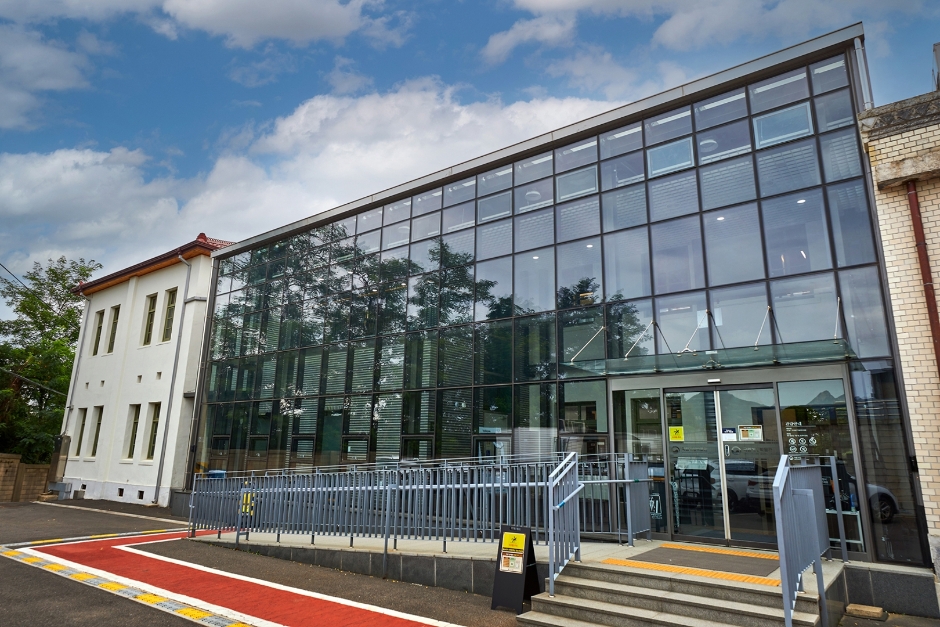
National Meteorological Museum of Korea (국립기상박물관)
10.8Km 2024-03-26
52 Songwol-gil, Jongno-gu, Seoul
A museum where one can look at Korea's meteorological observation history and technological development through exhibitions. The museum has the world's first rain gauge, invented in 1441, in the early Joseon dynasty. The museum operates approximately 350 meteorological observatories across Korea and focuses on promoting the uniqueness and excellence of Korea's meteorological science. There are permanent collections and special exhibitions. The permanent collections focus on the history of meteorological science in Korea. At the same time, the special exhibitions take a closer look at the history and information about meteorological science and natural disasters (e.g., earthquakes) that occurred in various regions of Korea. There are experience programs related to meteorological science, such as making a rain gauge or learning about rain gauges.
Jungmyeongjeon Hall (중명전)
10.8Km 2025-01-09
41-11, Jeongdong-gil, Jung-gu, Seoul
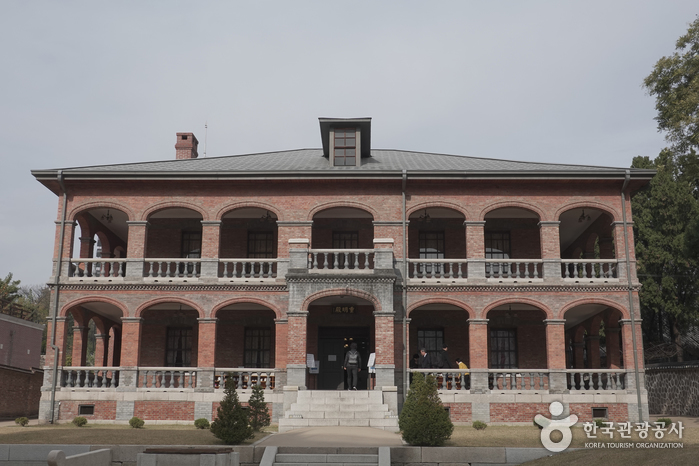
Located near Deoksugung Palace, Jungmyeongjeon Hall is a red-brick modern Western-style building. It was built in 1899 as the imperial library of the Korean Empire. After Deoksugung Palace caught on fire in 1904, the place became the temporary residence of Emperor Gojong. It also witnessed the tragic part of history in which the infamous Eulsa Treaty (Japan-Korea Protectorate Treaty), an illegal treaty forced by Japan, was signed in 1905. Its exhibition hall serves as a place for historical education.
Haepungbuwongun Yun Taekyeong's Jaesil (해풍부원군윤택영댁재실)
10.8Km 2021-11-10
28, Toegye-ro 34-gil, Jung-gu, Seoul
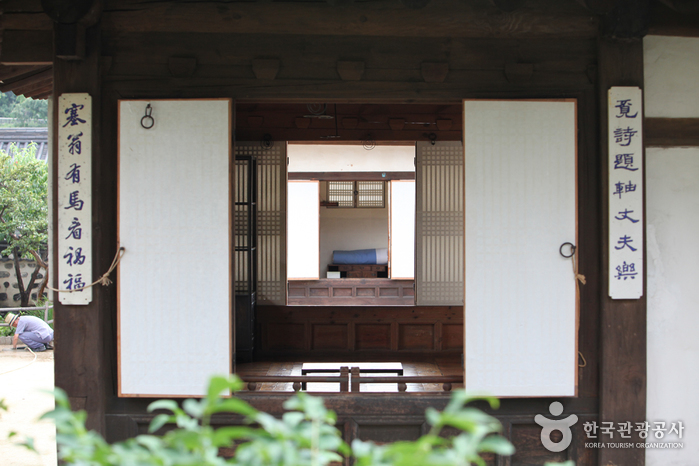
Haepungbuwongun Yun Taekyeong's Jaesil is a shrine house built by the father-in-law of King Sunjong of Joseon dynasty in 1906 when his daughter was proclaimed the crowned princess of Joseon and entered Changdeokgung Palace to later become Queen Sunjeong. Red pine trees salvaged from the demolition of Gyeongungung Palace were used to construct the house. It was originally located in Jegi-dong, Dongdaemun-gu, but was later restored and moved to its present location. The shrine of the house that was destroyed in 1960 was also restored.
Because the house is more of a shrine rather than residential living quarters, it has many unique features. For example, unlike other houses, it has the anchae (women’s quarters) located across from sarangbang (men’s quarters) with daecheong (living room) positioned between them.
Jeongdong-gil Road (정동길)
10.8Km 2024-06-19
2-1 Jeongdong-gil, Jung-gu, Seoul
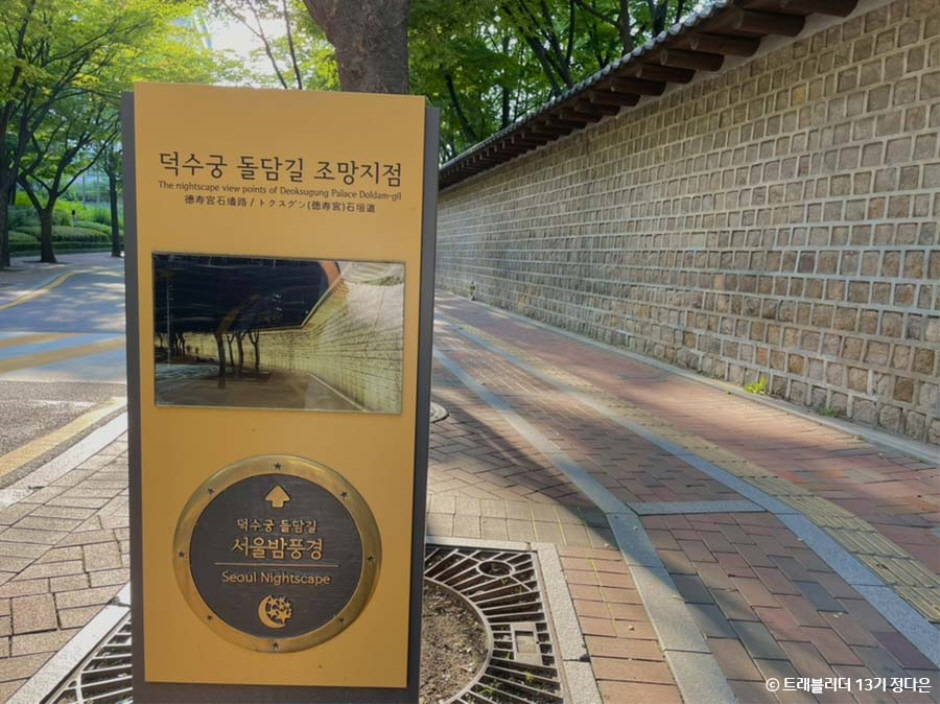
Jeongdong-gil Road is one of Seoul's most famous walking paths, stretching from the intersection in front of Jeongdong Church to Saemunan-gil Road. The street holds importance in Korea's modern history, with the surroundings serving as a living museum of this. During the Joseon dynasty, the area developed into a residental space for distant members of the royal family, with a palace and royal tombs in the area. In 1999, the pedestrian walking area was expanded by turning the two-way road into a one-way road. Since then, the road has earned many awards and honors.
 English
 한국어
한국어 日本語
日本語 中文(简体)
 Deutsch
 Français
 Español
 Русский


