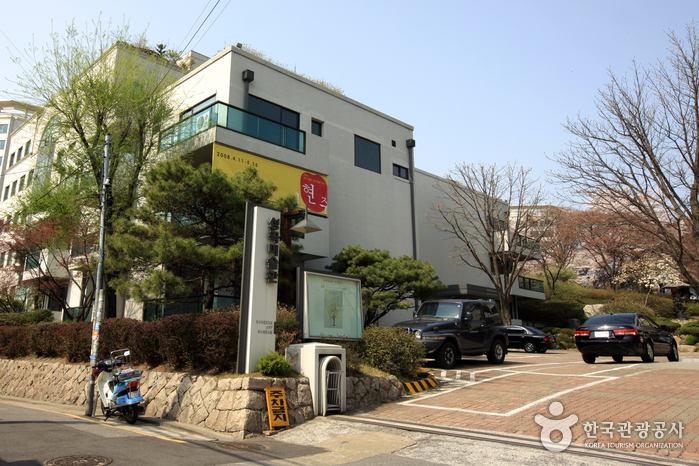
Sungkok Art Museum (성곡미술관)
7.7Km 2021-02-10
42, Gyeonghuigung-gil, Jongno-gu, Seoul
+82-2-737-7650
Sungkok Art Museum was founded in 1995 by the Korean corporation Ssangyong to promote Korean art. The gallery offers a special exhibition featuring modern artworks of Korean artists, as well as competitions and sponsorships to develop Korean art. In addition to the main building, there is an annex, as well as a tea house and art shop.
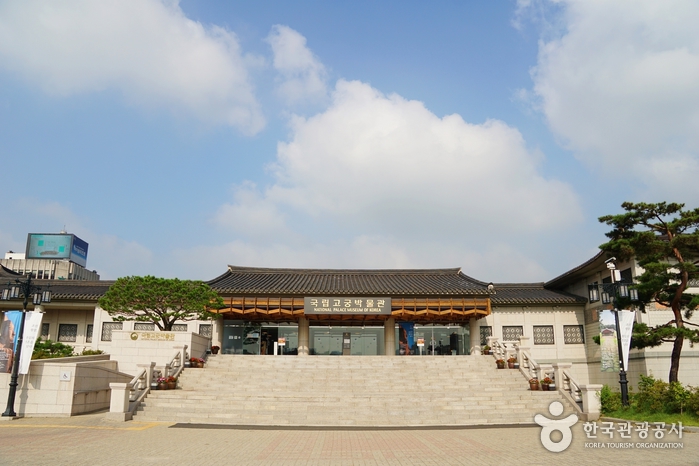
National Palace Museum of Korea (국립고궁박물관)
7.7Km 2023-03-24
12, Hyoja-ro, Jongno-gu, Seoul
+82-2-3701-7500
The National Palace Museum of Korea displays over 40,000 relics from the Joseon dynasty. With various treasures on exhibit, the museum continues to provide information on the dignity of royal culture and the creativity of royal cultural assets.
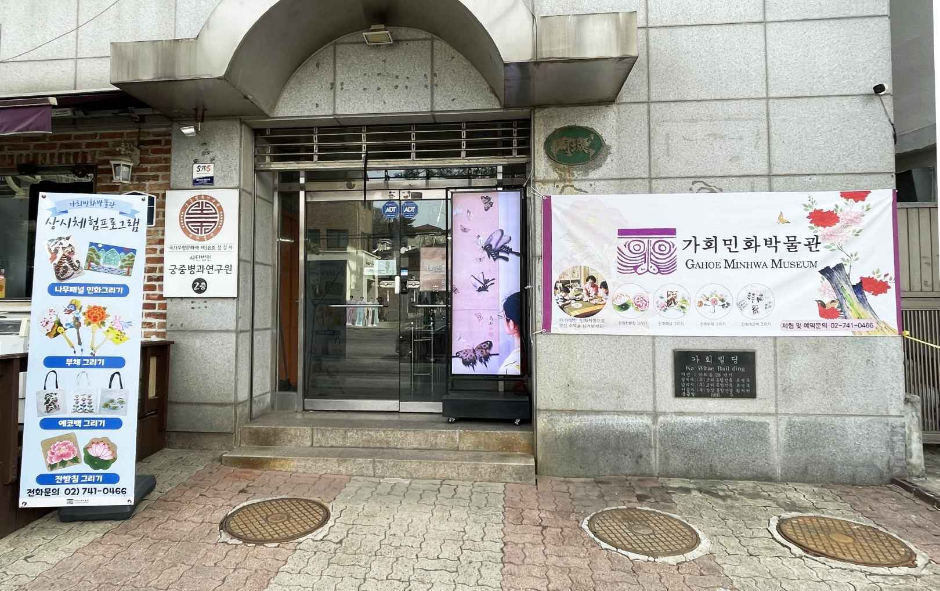
Gahoe Museum (가회민화박물관)
7.7Km 2025-10-31
52 Bukchon-ro, Jongno-gu, Seoul
+82-2-741-0466
Opened in 2002, Gahoe Museum exhibits folk paintings and amulets reflecting the lifestyle and wishes of the Korean people from ancient times. Inside the Hanok gallery, visitors can immerse themselves in the traditions of Korea, including old paintings depicting people's lifestyle in the past and religious beliefs, and roof tiles in the shape of humans or goblins. Visitors will also find folding screens and religious objects used in the past that show skills and knowledge of Korean ancestors.
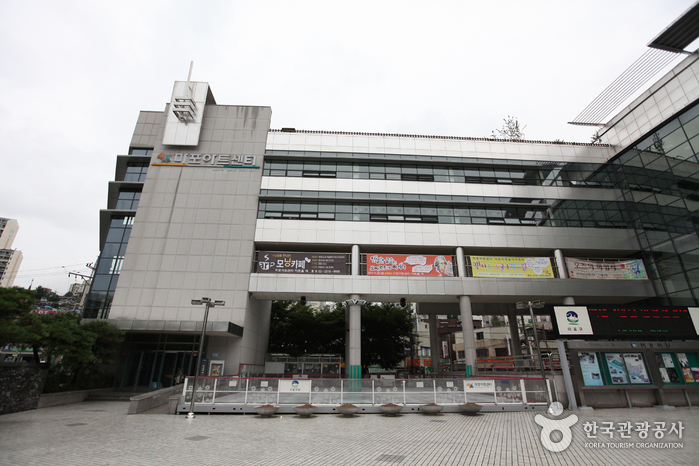
Mapo Art Center (마포아트센터)
7.7Km 2021-03-19
28, Daeheung-ro 20-gil, Mapo-gu, Seoul
+82-2-3274-8500
Mapo Art Center is an innovative cultural art space near college campuses including Hongik, Sinchon and Seogang area. Art Hall Mac, operated by Mapo Art Center is a fascinating performance hall used for a wide range of cultural events. The art hall boasts a stunning exterior as well as finely-appointed facilities that allow the audience to enjoy a diverse genre of performances. The art hall consists of two sections of Play Mac (for smaller performances like puppet shows, solo concerts and children’s performances) and Gallery Mac (where visitors engage in interactive programs). The center also has diverse leisure facilities such as a swimming pool, gym, fitness center, golf club as well as a training center.
Other amenities available include a powder room, multi-purpose hall, training room, playpen, and Sky Park.
![CheongKwanJang - Gwanghwamun Branch [Tax Refund Shop] (정관장 광화문)](http://tong.visitkorea.or.kr/cms/resource/93/2889693_image2_1.jpg)
CheongKwanJang - Gwanghwamun Branch [Tax Refund Shop] (정관장 광화문)
7.7Km 2024-04-22
20, Sajik-ro 8-gil, Jongno-gu, Seoul
-
Dong-Lim Knot Museum (동림매듭박물관)
7.7Km 2021-12-21
10, Bukchon-ro 12-gil, Jongno-gu, Seoul
+82-2-3673-2778
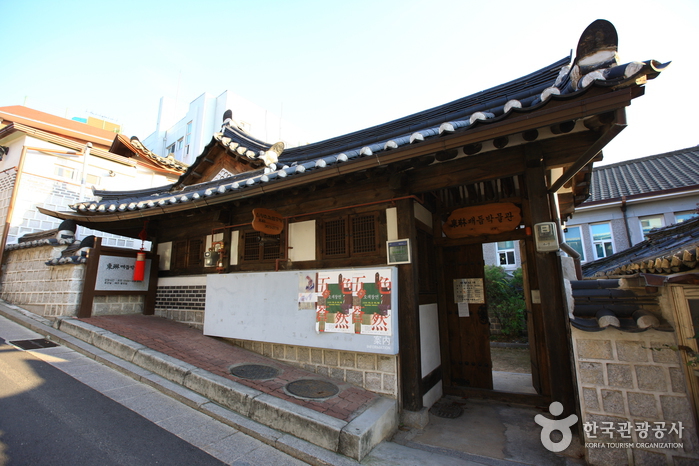
Opened in April 2004, Dong-Lim Knot Museum exhibits a variety of decorative traditional Korean maedeup (knots): norigae for hanbok, belts, pouches, as well as materials like thread, cord, and accessories. Housed in a hanok, a traditional Korean house, the gallery has a variety of exhibits, including old and new artwork, and creations that reflect modern trends.
Gwanaksan Mountain Nakseongdae Park (관악산 낙성대공원)
7.7Km 2021-07-16
77, Nakseongdae-ro, Gwanak-gu, Seoul
+82-2-879-6525
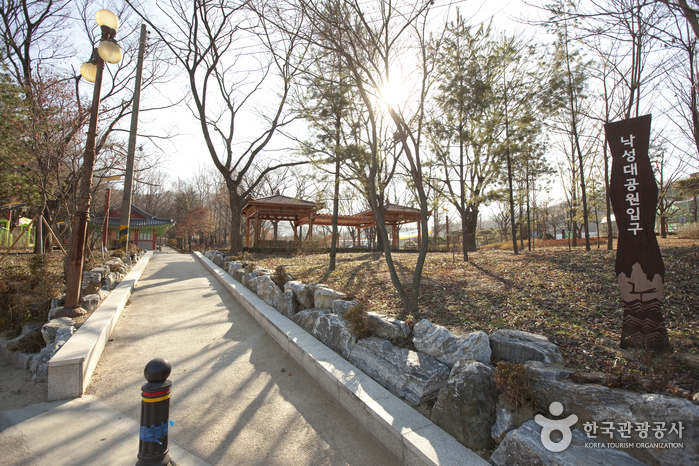
Nakseongdae Park was built as a tribute to General Kang Gam-chan (948-1031) of the Goryeo dynasty. In 1973, the city of Seoul reorganized the birthplace of General Kang, resulting in changes to the park. Located inside the park are Anguksa Shrine, the general’s birthplace, and a three-story stone pagoda, which was made during the Goryeo dynasty. The 4.48-meter-high pagoda is made of granite, and is called “Kang Gam-chan Tap (pagoda)” or “Kang Gam-chan Nakseongdae Tap”.
*Anguksa Shrine
Anguksa is a shrine built in 1974 emulating the wooden architecture style of the Goryeo era. The shrine has high ceilings and houses the portrait of General Kang Gam-chan. The shrine is located on the road leading to the back gate of Seoul National University and has become a popular place in the area.
*Nakseongdae Yuji
Nakseongdae Yuji is the birthplace of General Kang Gam-chan and the original location of the three-story pagoda. During the maintenance of Nakseongdae area in 1973, the pagoda was moved into the vicinity of Anguksa Shrine, and a two-meter tall monument was erected in its original location to mark the historical significance of the site.
Hanboknam (한복남)
7.7Km 2021-01-27
17, Bukchon-ro 5ga-gil, Jongno-gu, Seoul
+82-10-6485-8507
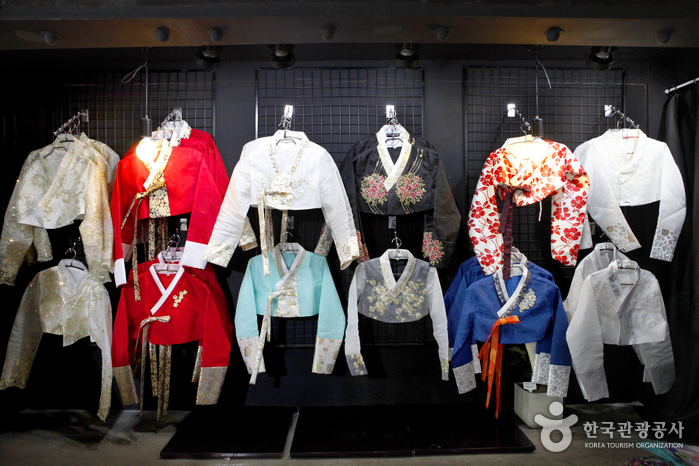
Started in Jeonju in 2012, Hanboknam strived to promote the beauty of hanbok, earning recognition by the Ministry of Culture, Sports and Tourism in 2015. Following this, Hanboknam opened a hanbok exhibition and rental shop in the Bukchon area of Seoul in 2016. The shop provides customers with numerous styles of hanbok, from royalty to beggars. The rental shop also offers various accessories to pair with the different hanbok for a complete look.
![Homeplus Express - Myeongnyun Branch (No. 2) [Tax Refund Shop] (홈플러스익스프레스 명륜2호)](http://tong.visitkorea.or.kr/cms/resource/80/2878180_image2_1.jpg)
Homeplus Express - Myeongnyun Branch (No. 2) [Tax Refund Shop] (홈플러스익스프레스 명륜2호)
7.7Km 2024-04-18
5, Hyehwa-ro 3-gil, Jongno-gu, Seoul
-
![DAHMSOJUNG[Korea Quality] / 담소정[한국관광 품질인증/Korea Quality]](http://tong.visitkorea.or.kr/cms/resource/92/2477092_image2_1.png)
DAHMSOJUNG[Korea Quality] / 담소정[한국관광 품질인증/Korea Quality]
7.7Km 2025-01-06
16-2, Bukchon-ro 9-gil, Jongno-gu, Seoul
010-3749-9550
Dahmsojung, meaning ‘a house full of laughs’, is a hanok guesthouse that provides sincere services and comfortable relaxation. Located in the middle of Seoul’s city center, this hanok hotel-class guesthouse was built using traditional hanok construction materials including the 200-years-old Korean land pine from Gyeongju, and clay for rooms. The owner originally bought the land to build the residential area for the family, but wishing to promote the charms of the hanok building to foreigners, it was opened as a guesthouse in October 2012. This hanok guesthouse with modern elements is decorated with refined interior items. It provides a special breakfast that consists of steamed rice wrapped in a lotus leaf and tasty side dishes without any artificial seasonings. All the vegetables used for the meals are organic and cultivated by the owner. It also uses refined objects including high quality tableware, bedding (cotton bedclothes with colored stripes), authentic ceramics, lacquered painting by an artisan, and artistic living items. It carries out a cleaning and disinfection process every day as well. In particular, Hinoki cypress with a subtle scent was used for the bathroom. The home bar was installed especially for foreign guests who find it difficult to sit on the floor in the kitchen. These detailed consideration and decorations have attracted many guests including foreign diplomats, VIPs, and so on.
It also operates a hands-on programs including ‘calligraphy’ and ‘making a fan’ that are held on the main floored room and are popular among foreign guests. Dahmsojung offers guests sophisticated services and comfortable facilities with a clean and traditional atmosphere that attracts many domestic and foreign guests.
 English
 한국어
한국어 日本語
日本語 中文(简体)
 Deutsch
 Français
 Español
 Русский


