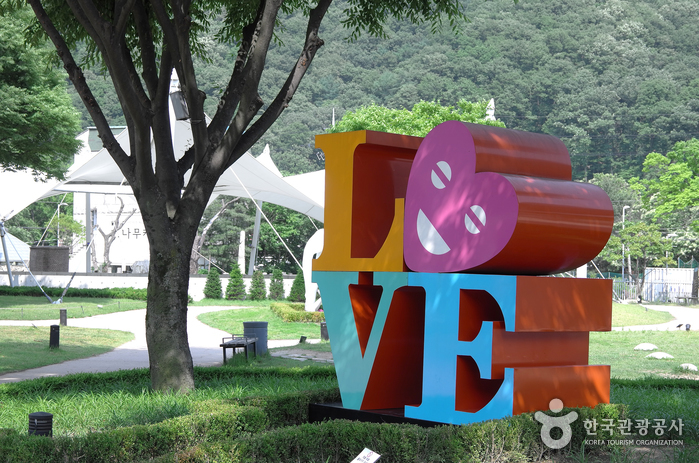
Gana Art Park (가나아트파크)
.0M 2024-02-07
117 Gwonyul-ro, Jangheung-myeon, Yangju-si, Gyeonggi-do
Gana Art Park is a park featuring an art museum, playground, performing stage, art shop, restaurant, and more. The park includes the Gana Children’s Art Museum, showcasing artworks by Korean and international contemporary art masters. There is also the Blue Space, where a work of Picasso is displayed, the Red Space dedicated to artworks of contemporary masters, and the Yellow Space, which is a playground equipped with nets
![Yangju Olleung Royal Tomb [UNESCO World Heritage] (양주 온릉(단경왕후) [유네스코 세계문화유산])](http://tong.visitkorea.or.kr/cms/resource/10/757410_image2_1.jpg)
Yangju Olleung Royal Tomb [UNESCO World Heritage] (양주 온릉(단경왕후) [유네스코 세계문화유산])
510.6M 2025-01-07
255-41, Hoguk-ro, Yangju-si, Gyeonggi-do
Olleung Royal Tomb is the royal tomb of Queen Dangyeong (1487-1557), consort of King Jungjong, the 11th ruler of the Joseon dynasty. Queen Dangyeong married King Jungjong when she was 13 years old. In 1506, when King Jungjong ascended to the throne, she became a queen as well, but she was deposed due to her father leading a coup against her husband's acendancy. Therefore, her grave was not regarded as a royal tomb until 1739.

Shinheung Leisure Town (신흥레저타운)
854.6M 2024-02-16
406-9 Yuwonji-ro, Jangheung-myeon, Yangju-si, Gyeonggi-do
Shinheung Leisure Town is a leisure complex that operates Water World in the summer and Snow World in the winter. Water World, a summer-only leisure facility, is renowned for its clean water and features 400 cabana seatings. Snow World, available only in winter, offers a variety of activities including snow sledge riding, ice sledge riding, smelt-catching activities, and more.
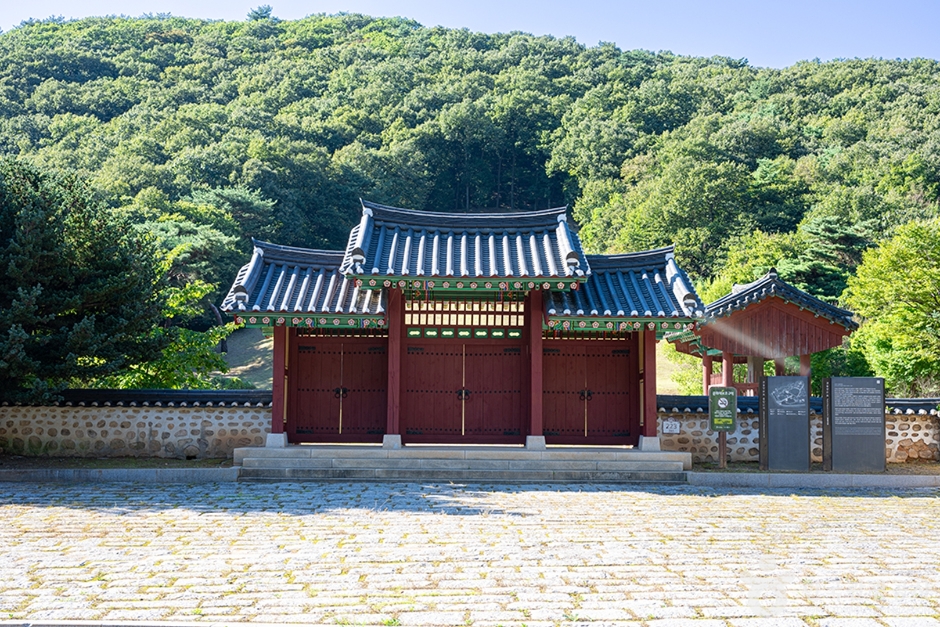
Tomb of General Gwon Yul (권율장군묘)
902.8M 2024-02-07
223 Gwonyul-ro, Jangheung-myeon, Yangju-si, Gyeonggi-do
General Gwon Yul (1537-1599) is a historic figure from the Joseon dynasty. He is celebrated for repelling the invading Japanese forces at Haengjusanseong Fortress and other locations near Seoul during the Japanese Invasion of Korea (1592-1598). In front of the tomb stands a tombstone, flanked by pairs of stone statues. These pairs consist of Sangseok, Hyangnoseok, Dongjaseok, Muninseok, and Mangjuseok, with one statue from each pair positioned on the left and the other on the right, respectively. The site also includes the tombs of his father and older brother. His descendants continue to visit and commemorate him to this day.
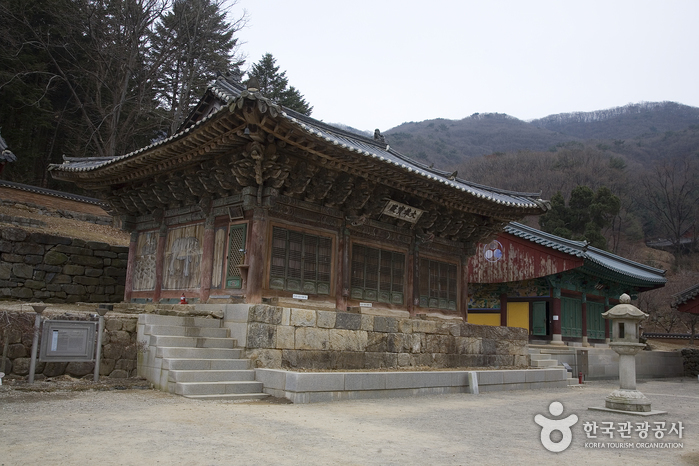
Paju Bogwangsa Temple (보광사(파주))
4.1Km 2021-09-10
87, Bogwang-ro 474beon-gil, Paju-si, Gyeonggi-do
Bogwangsa Temple is a traditional temple located on the foothills of Goryeongsan Mountain in Paju. It was built by Great Monk Doseonguksa during the Silla Kindom period under the order of Queen Jinseong in AD 894. At the time, it was considered a hidden national treasure and one of the six grand temples located on the northern side of the Hangang River. In was once ruined during the Imjin War, and reconstructed in 1622 by Monk Seolmi and Monk Deogin. In 1667, Monk Jigan and Monk Seok Ryeon reconstructed Daeungbojeon Hall and Gwaneumjeon Hall.
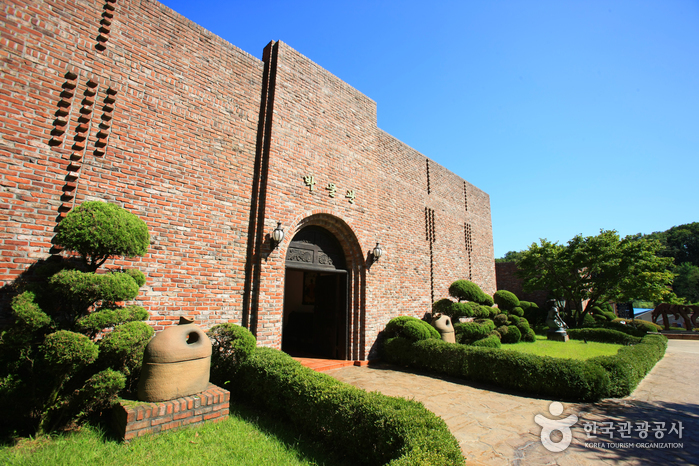
The Latin American Cultural Center Museum (중남미문화원)
5.4Km 2022-12-29
33-15, Daeyang-ro 285beon-gil, Deogyang-gu, Goyang-si, Gyeonggi-do
The Latin American Cultural Center Museum was established in 1994 to inform visitors about the culture and arts of Latin America. The museum exhibits artifacts from the Maya, Aztec, Inca, and early colony period that represents Latin America, as well as paintings, sculptures, traditional cloth and more from artists that represents the region. The Sculpture Park showcases pieces from 12 contemporary artists throughout the park, walking trail and rest area. In 2011, Religion Exhibition Hall opened which has a large mural and stain glass that is 24 meters in x_width and 5 meters in x_height.
Majanghosu Suspension Bridge (마장호수 출렁다리)
5.6Km 2023-09-14
313 Gisan-ro, Gwangtan-myeon, Paju-si, Gyeonggi-do
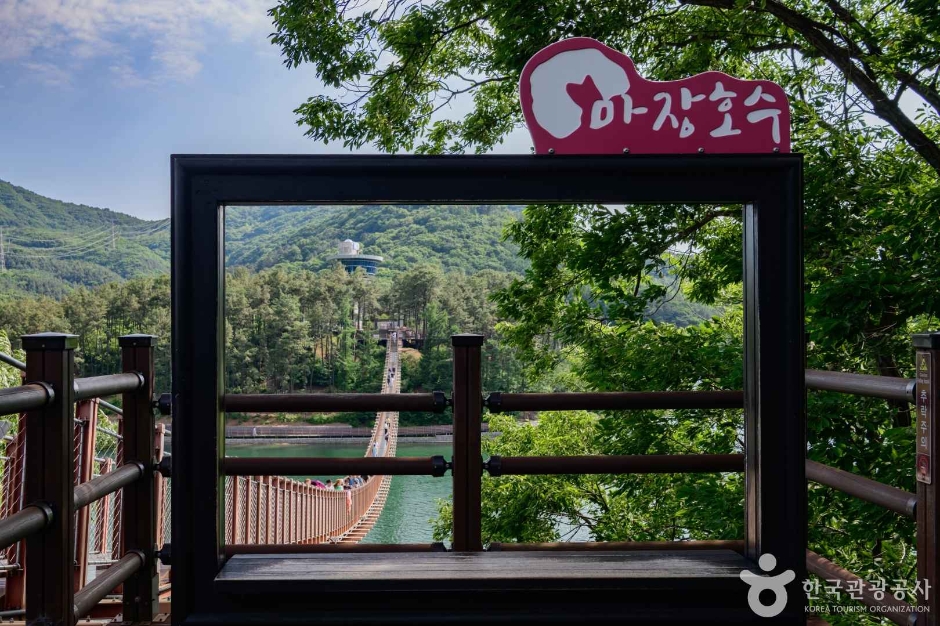
Majanghosu Suspension Bridge offers more than the bridge itself with amenities like benches, wildflowers, water sports, and a lakeside promenade. It's the perfect place for couples or a family day out. The bridge is surrounded by mountains and a lake, offering a scenic landscape that becomes even more spectacular at sunset. Midway through the bridge, the floor is partially made of bulletproof glass for a thrilling view below one's feet. The bridge has many noteworthy attractions in proximity such as Bogwangsa Temple, Byukchoji Gardens, and Gongneung Tourist Resort.
Majanghosu Lake (마장호수)
5.7Km 2024-10-29
365 Gisan-ro, Gwangtan-myeon, Paju-si, Gyeonggi-do
Majanghosu Lake is a beautiful location for friends and families to spend time together in nature. The lake features a 3.6-kilometer-long lakeside walking path and a 220-meter-long suspension bridge. Park facilities include a cafe overlooking the lake, forest campground, and canoeing.
Jeongtong Budaegogi (정통부대고기)
7.1Km 2024-12-23
경기도 의정부시 호국로 1102
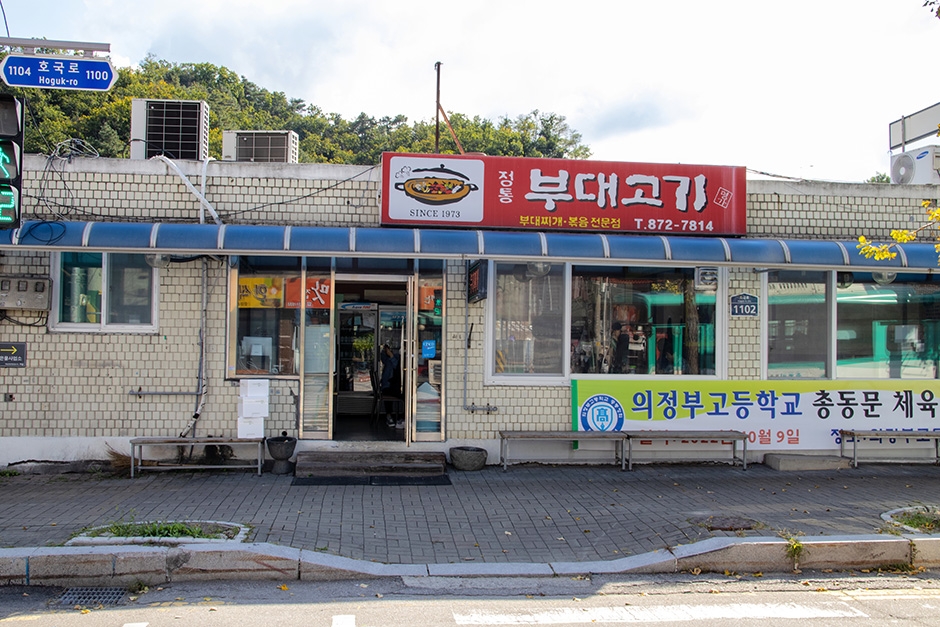
Opened in 1973, this budaejjigae (Sausage Jjigae) restaurant is known for its exceptional flavor, achieved through spicy kimchi and a carefully crafted broth. Another popular menu item is budaebokkeum, a stir-fried, soupless version of the classic jjigae.
Uijeongbu Curling Stadium(의정부 컬링경기장)
7.6Km 2023-12-22
136, Cheyuk-ro, Uijeongbu-si, Gyeonggi-do
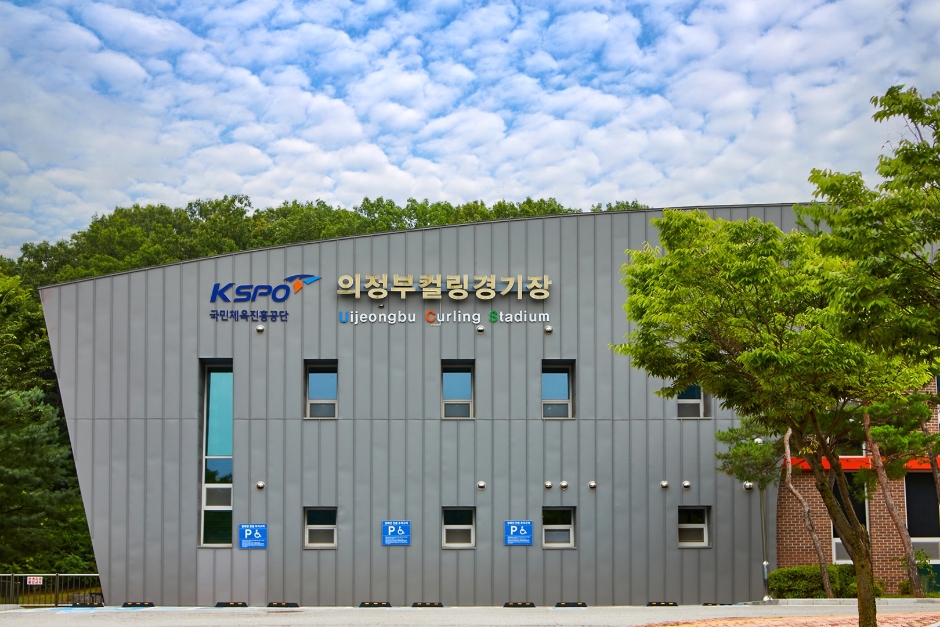
Curling is one of the most well-known winter sports. Uijeongbu Curling Stadium has a curling sheet built according to international standards, so it is often used by athletes, both domestic and international. The stadium is also notable for being open to the general public, so everyone can try curling or even take part in practice matches. Shoes, protective equipment, and stones are available for use.
The “Uijeongbu City Tour,” operated by the city of Uijeongbu, takes you around the city's major tourist attractions and includes a curling experience at the Uijeongbu Curling Stadium. The tour allows you to take a course on curling, then practice what you’ve learned through an experience program.
 English
 한국어
한국어 日本語
日本語 中文(简体)
 Deutsch
 Français
 Español
 Русский


