
Jangcheokgyegok Valley (장척계곡)
7.0Km 2021-08-02
544, Jangcheok-ro, Gimhae-si, Gyeongsangnam-do
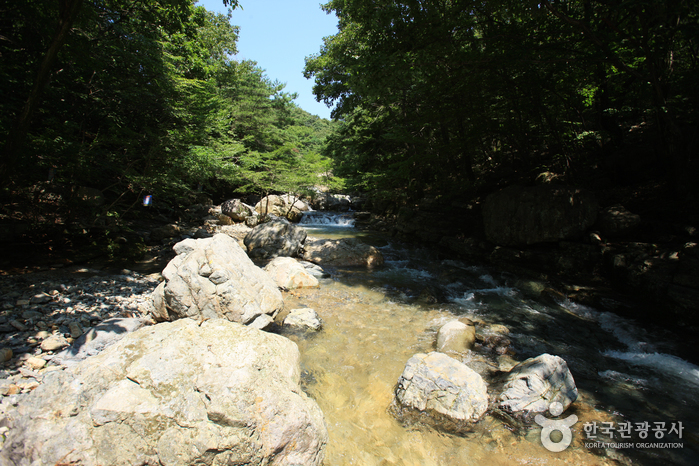
Located at the foot of Sineosan Mountain in Gimhae, Gyeongsangnam-do, Jangcheokgyegok Valley is a natural recreation area that is surrounded by nature's beauty. The sound of running water coming from Dongbonggyegok Valley, the dense forest, and the huge rocks make this place a soothing place to relax. Located close to the valley are Jangcheok Village, Jangcheok Reservoir, and a site that's shaped like a wild boar descending from the mountain.
Gimhae Lotte Water Park (김해 롯데워터파크)
7.8Km 2025-05-19
555 Jangyu-ro, Gimhae-si, Gyeongsangnam-do
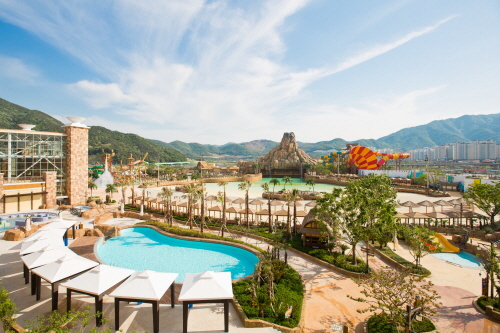
Gimhae Lotte Water Park is the largest water park in Korea, featuring a Polynesian theme with 17 types and 43 water attractions. It includes a giant volcano-shaped structure called Giant Volcano, along with indoor and outdoor water parks that can be enjoyed year-round, as well as Rapids River Zone and Torrent River Zone. Facilities include wave pool, lazy river pool, spa pool, swing slide, and more, making it a must-visit leisure destination in Busan.
Jangyu Daecheonggyegok Valley (장유대청계곡)
10.6Km 2022-08-12
Wolsan-ro, Gimhae-si, Gyeongsangnam-do
The 6-kilometer-long Jangyu Daecheonggyegok Valley is located at the foot of Bulmosan Mountain, where the water flowing into the valley divides into two principal streams. Lush trees and clean water make up the area’s beautiful natural landscape. A 30-minute hike along the valley will take hikers to Jangyuam Hermitage where they will find the stupa of Jangyuhwasang, who is said to have spread Buddhism for the first time in Korea.
Visitors flock to Jangyu Daecheonggyegok Valley not only to enjoy the scenery, but also to taste the delicious duck, chicken, and baeksuk (chicken soup with rice) dishes sold around the area. In 1984, the valley was integrated into Jangyupokpo Recreational Park where bridges were built and water supply facilities were placed at two locations. Sangjeolgyo Bridge at the entrance to the valley is 30 meters, while Bonpogyo Bridge is 4 meters. A 1,720 meter-long forest trail was also created. The rugged mountain terrain offers a challenging, yet highly interesting climb up the mountain.
Daejeo Eco Park (대저생태공원)
10.9Km 2024-03-05
1246 Gonghang-ro, Gangseo-gu, Busan
Daejeo Eco Park is an ecological park stretching from Gupodaegyo Bridge to the Nakdonggang Estuary Bird Sanctuary. It encompasses various wetlands and waterways, including Sindeokseupji Wetland, along with grasslands, mustard flower fields, and various sports facilities, providing a place for leisure and relaxation. Particularly noteworthy is the Mustard Flower Festival held annually in April at the mustard flower field developed below the Gupodaegyo Bridge.
Gimhae Buncheong Ceramics Festival (김해분청도자기 축제)
11.0Km 2025-07-11
17 Buncheong-ro, Jillye-myeon, Gimhae-si, Gyeongsangnam-do
+82-55-330-3245
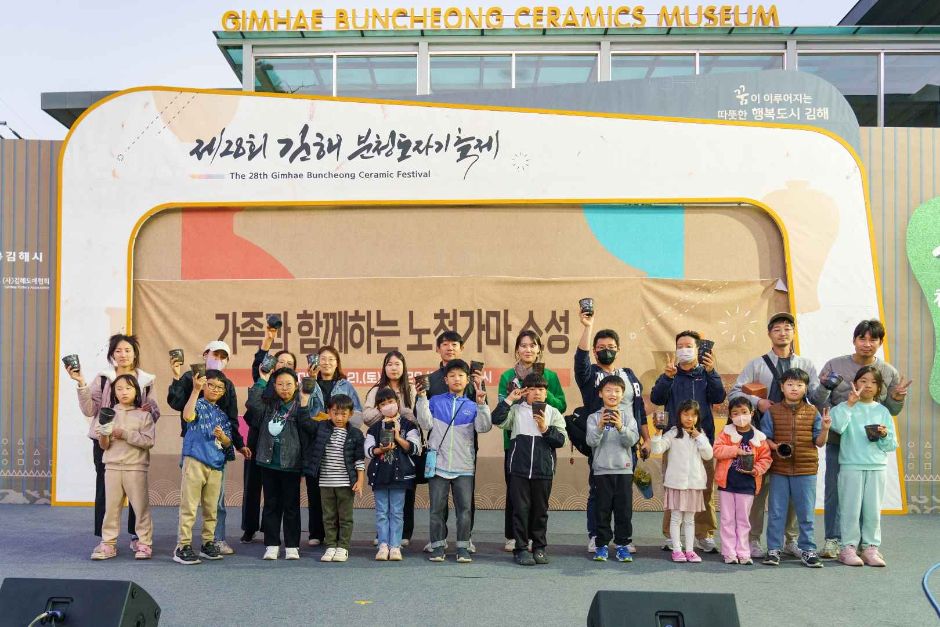
The Gimhae Buncheong Ceramics Festival highlights the excellence of Buncheong ceramics and their everyday appeal. The festival offers a chance to see a wide variety of ceramics and participate in hands-on activities such as traditional kiln firing.
Clayarch Gimhae Museum (클레이아크 김해미술관)
11.1Km 2022-12-29
275-51, Jillye-ro, Jillye-myeon, Gimhae-si, Gyeongsangnam-do
The name “Clayarch” is a compound word of clay and arch, short for“architecture.” It embodies the basic spirit of the museum, which is to pursue development in the field of architectural ceramics through working with science, art, education, and industry.
Clayarch Gimhae Museum aims to play a leading role in the development of architectural ceramics, which are now spreading across the globe. It intends to do so by rediscovering the relationship between ceramics and architecture – a matter that has been relatively ignored – as a new direction for ceramic art. This reflects the pluralism of this time, which seeks to pursue something creative and new and to overcome the limitations of specific fields through working with different genres. The museum seeks to actively lead this artistic attempt, and make aesthetic and scientific achievements in this field with theoretical backing gained through academic activities, lectures, and research.
Birthplace of the16th President of Korea, Roh Moo-hyun (진영 봉하마을과 노무현 대통령 생가)
11.7Km 2022-12-29
129, Bongha-ro, Gimhae-si, Gyeongsangnam-do
Bongha Village is located 4.5km to the east of Jinyeong-eup, on the foot-slopes of Bonghwasan mountain. It is a typical farming village, and its major produce is Jinyeong sweet persimmons and rice. Its name comes from the mound above it on Bonghwasan mountain, where in the past beacons were lit as a method of communication. Bonghwasan mountain is home to Bonghwasa temple and two famous valleys: Doduk (thief) valley on the east side, named because of the many thieves that used to operate in the area, and Yasi (fox) valley on the west side, which looks like a fox lying on its front, looking back at its tail.
Birthplace of the former President of Korea, Roh Moo-hyun
The birthplace of the former President of Korea, Roh Moo-hyun, is a brick house with a slate roof that consists of two small rooms and a kitchen. Although it is a shabby house, everything in it seems rare and precious to visitors. The earth, stones, and water, as well as household items, are popular with visitors. Some visitors even take stones and soil from the garden home with them in plastic bags, and some take water, believing that water from the ex-president’s birthplace is almost sacred.
Starry Night in Busan Night Festa
12.3Km 2025-10-23
270 Saengtaegongwon-gil, Buk-gu, Busan
+82-51-710-6948
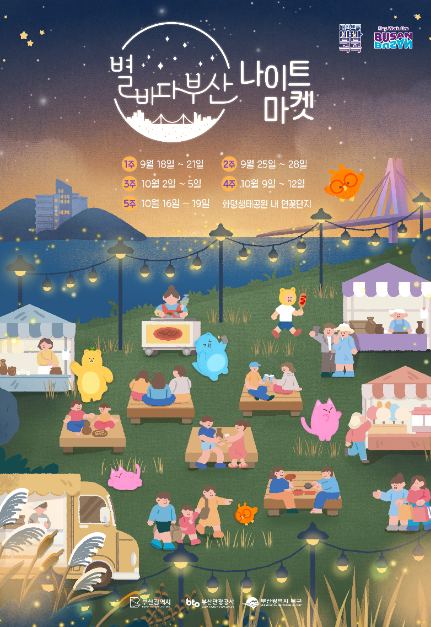
Starry Night in Busan Night Festa is a themed night market centered on promoting a variety of food content and traditional alcohol, set against the backdrop of the beautiful sunset by the Nakdonggang River and Hwamyeong Eco Park, in tribute to the area’s historical role as the former trading hub known as Gupo Wharf. A wide variety of programs are prepared for all ages, including food vendors, hands-on activities, and performance events. It's an ideal festival to soak up the fall atmosphere in Busan.
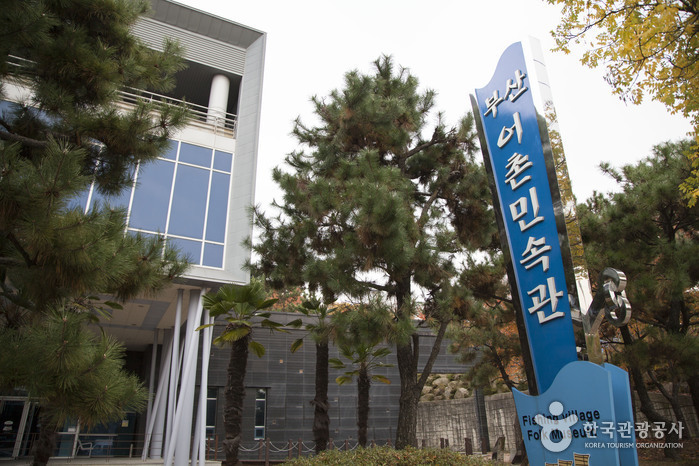
Busan Fishing Village Folk Museum (부산어촌민속관)
12.4Km 2022-12-29
128, Haksa-ro, Buk-gu, Busan
Opened on February 23, 2007 as a branch museum of Busan Marine Natural History Museum, Busan Fishing Village Folk Museum displays cultural artifacts and materials related to the tradition, history and folklore of Busan's fishing culture and development. Designed with the theme of "Fishing Village Trip from the River to the Sea," the exhibition halls are divided into Nakdonggang River Fishing Village Folk Hall and Busan Fishing Village Folk Hall.
Samnak Eco Park (삼락생태공원)
12.6Km 2024-03-15
1231, Nakdong-daero, Sasang-gu, Busan
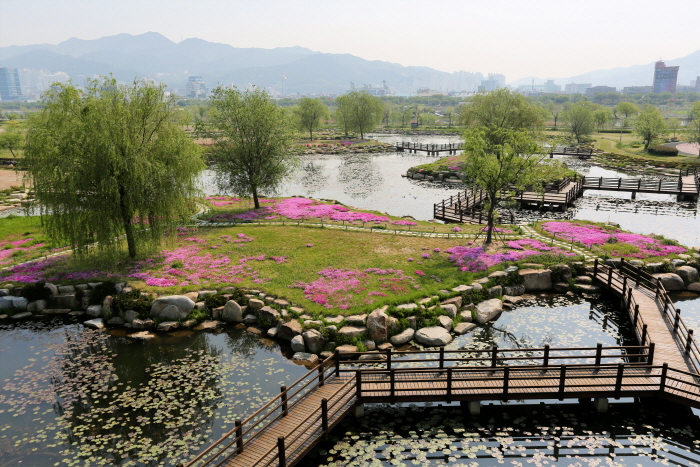
Samnak Eco Park is the largest among the four riverside parks created along the Nakdonggang River. Covering an area of 4.89 ㎢ and stretching 7 km in length, it is a natural ecological park. The park features a wetland eco park for migratory birds, food field for migratory birds, lawn, wildflower fields, and eco walking trails. Additionally, there are various sports facilities such as outdoor swimming pools, soccer fields, tennis courts, and bicycle rental stations. It also boasts a natural ecological environment zone.
 English
 한국어
한국어 日本語
日本語 中文(简体)
 Deutsch
 Français
 Español
 Русский


