
Gayasan National Park Nature Center (국립공원 가야산생태탐방원)
4.1Km 2024-02-23
313 Bongyang-ro 1-gil, Suryun-myeon, Seongju-gun, Gyeongsangbuk-do
Situated in Gayasan National Park, the Nature Center invites visitors to explore the moutain's ecology. Established in 2018 on the grounds of the former Gaya Farm, it serves as a sanctuary for restoring the body and mind and for finding inspiration amidst nature. Facilities include a dormitory, an education center, a restaurant, a nature walk trail, and an outdoor concert hall. The center's ecotourism programs feature trail trekking and the Yuyujajeok Healing Day, offering activities like soap-making and insect model crafting. Noteworthy nearby sites include Gayasan Wildflower Botanical Garden and the Gayasan History & Myth Hall.
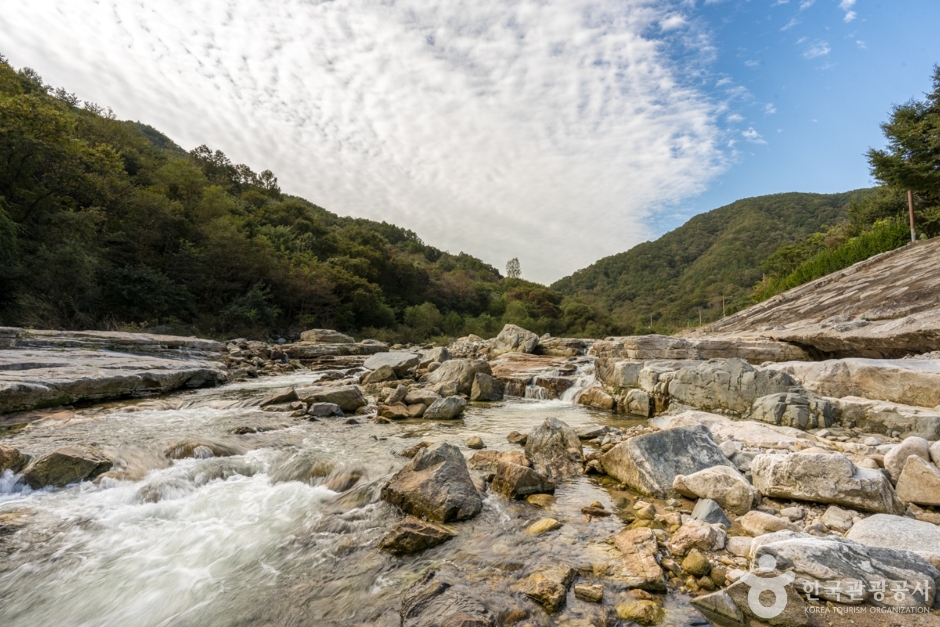
Daegacheongyeogok Valley (Muheulgugok) (대가천계곡(무흘구곡))
5.5Km 2024-02-23
Sincheong-ri, Suryun-myeon, Seongju-gun, Gyeongsangbuk-do
Daegacheongyeogok Valley starts just past Seongju Dam and winds its way towards Cheongamsagyegok Valley in Gimcheon city. The valley's crystal-clear waters, combined with its unique rock formation, creates a spectacular view. Its broad expanse, gentle flow, and shallow depths make it a popular summer getaway. Lifeguards are on duty from early June to late August, providing safety for visitors. Additionally, the nearby Gayasan Mountain and Dogyongsanseong Fortress are worth exploring.
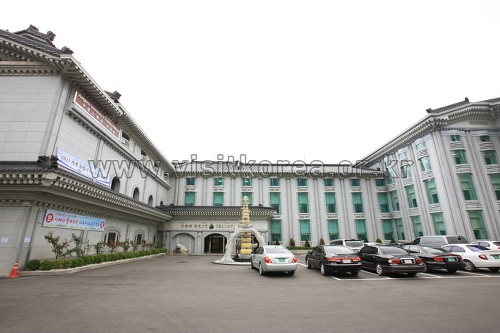
Gaya Hotel (가야호텔)
7.7Km 2025-01-07
52, Gayasansingmurwon-gil, Seongju-gun, Gyeongsangbuk-do
Gaya Hotel is located 560 meters above sea level on Gayasan Mountain in a pristine natural environment. The hotel also offers a sauna that uses natural mineral water. Near the hotel is the only Korean wild flower botanical garden.
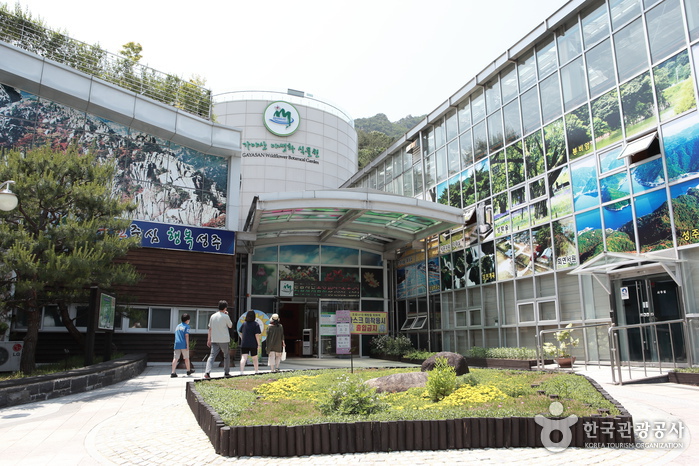
Gayasan Wildflower Botanical Garden (가야산 야생화식물원)
7.7Km 2021-12-22
49, Gayasansingmurwon-gil, Seongju-gun, Gyeongsangbuk-do
Gayasan Wildflower Botanical Garden opened on June 16, 2006 as the nation's first botanical garden dedicated to wildflowers. The garden is home to over 400 plant species, ranging from wildflowers to trees, and serves as a cultural space with educational research and preservation training. In addition to the general exhibition hall, there is a greenhouse on the basement level. There are 92 tree types including pine, 54 bush types including royal azalea, and 257 wildflower types including windflowers. The garden is beautiful all year round, showcasing the changing of the seasons.
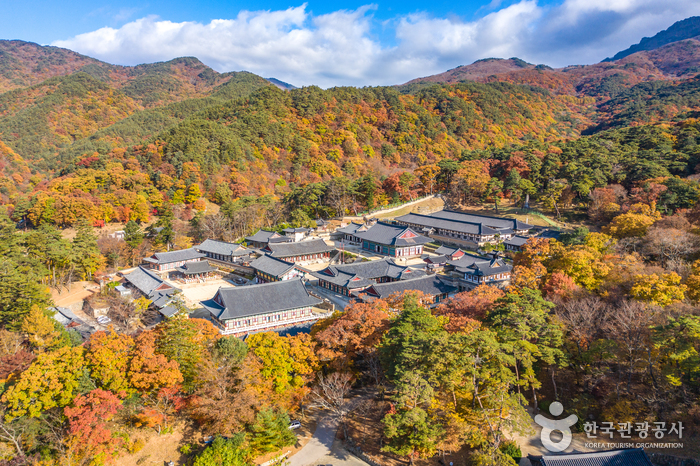
Hapcheon Haeinsa Temple (해인사 (합천))
9.8Km 2022-12-26
122, Haeinsa-gil, Hapcheon-gun, Gyeongsangnam-do
Haeinsa Temple is one of Korea's three largest temples, and was founded during the third year of King Ae-jang's reign (802) by two monks Suneung and Ijung. The name "Haein" originates from the expression "Haeinsammae of Hwaeomgyeong" (Buddhist scripture), which means truly enlightened world of Buddha and our naturally undefiled mind. Along with the Printing Woodblocks of the Tripitaka Koreana (National Treasure) and Janggyeongpanjeon Depositories (National Treasure), various treasures are enshrined at Haeinsa Temple.
Gayasan Sori-gil (가야산 소리길)
11.1Km 2025-03-17
1783 Gayasan-ro, Gaya-myeon, Hapcheon-gun, Gyeongsangnam-do
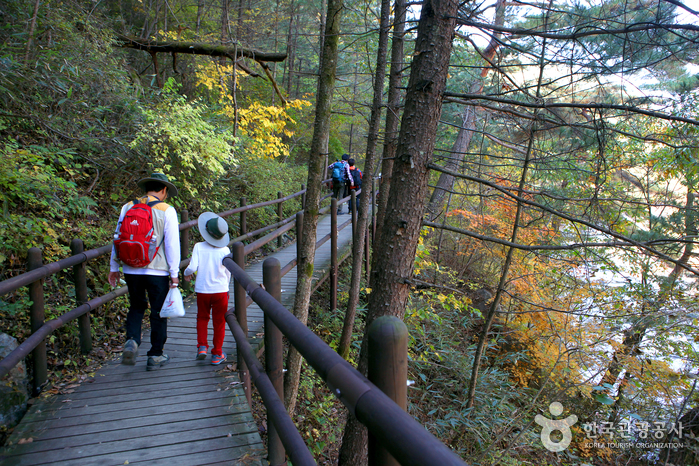
Gayasan Sori-gil is a 6-kilometer walk from Hapcheon Theme Park of the Tripitaka Koreana to Yeongsangyo Bridge, near Haeinsa Temple (one of the three major temples in Korea), which restores the old Hongnyu-dong path. This route allows you to stroll along the valley, where you can listen to the sounds of water, birdsong, and immerse yourself in the natural beauty of Korea. Along the way, you can visit some of Gayasan's stunning locations, including Nongsanjeong Pavilion, Gilsangam Hermitage, Nakhwadam Reservoir, and a red clay trail.
Dals Garden / 달의 정원
11.4Km 2025-03-18
13-31 , Chiin 1-gil, Hapcheon-gun, Gyeongsangnam-do
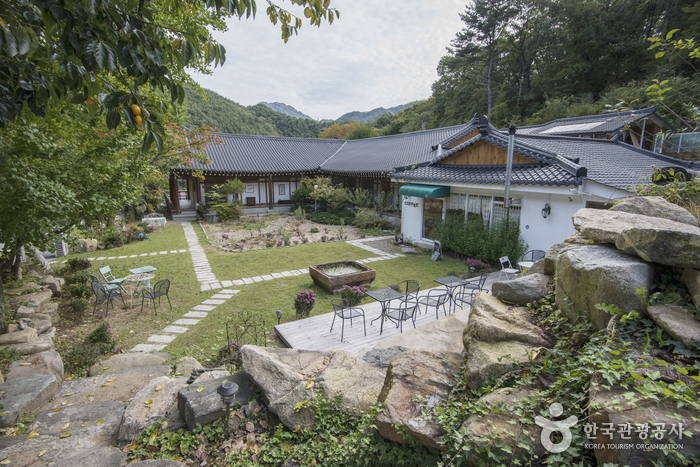
Located on the way to Haeinsa Temple in Hapcheon-gun, Gyeongsangnam-do, Garden of the Moon is a hanok stay combining 50 years of history with convenient modern facilities. There are 10 guest rooms, including a free-standing one that’s a little wider than a regular ondol room and has a bed. The view of Mount Gaya as it rises behind the house is spectacular. Access is easy, as Haeinsa Intercity Bus Stop is just 3 minutes away; and after waking from a good night’s sleep, guests can visit Haeinsa Temple or climb Maehwasan Mountain.
Seongju Traditional Market (성주 전통시장)
11.5Km 2025-10-23
37 Sijang-gil, Seongju-gun, Gyeongsangbuk-do
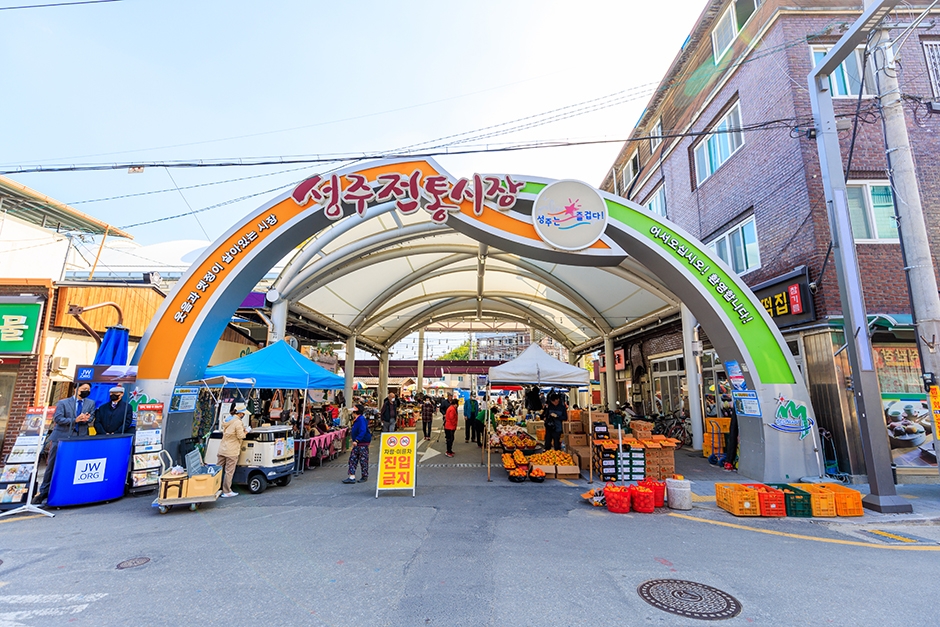
Seongju Traditional Market is open for business on five-day intervals—every 5 days starting from the 2nd of each month—centered on local specialties, especially Chamoe (Korean melon). Naturally emerged in the 1800s, it was formally established in 1887 and thrived during the 1960s. Today, it is recognized as one of the oldest markets in the region. Open from early morning until sunset, it offers seasonal wild greens such as Dureup (fatsia shoot) and Chwinamul (aster leaf), the famously sweet Seongju Korean melon, and other local produce at fair prices.
Tripitaka Koreana Cultural Festival (대장경기록문화축제)
11.7Km 2025-11-06
1160 Gayasan-ro, Gaya-myeon, Hapcheon-gun, Gyeongsangnam-do
+82-55-930-4697
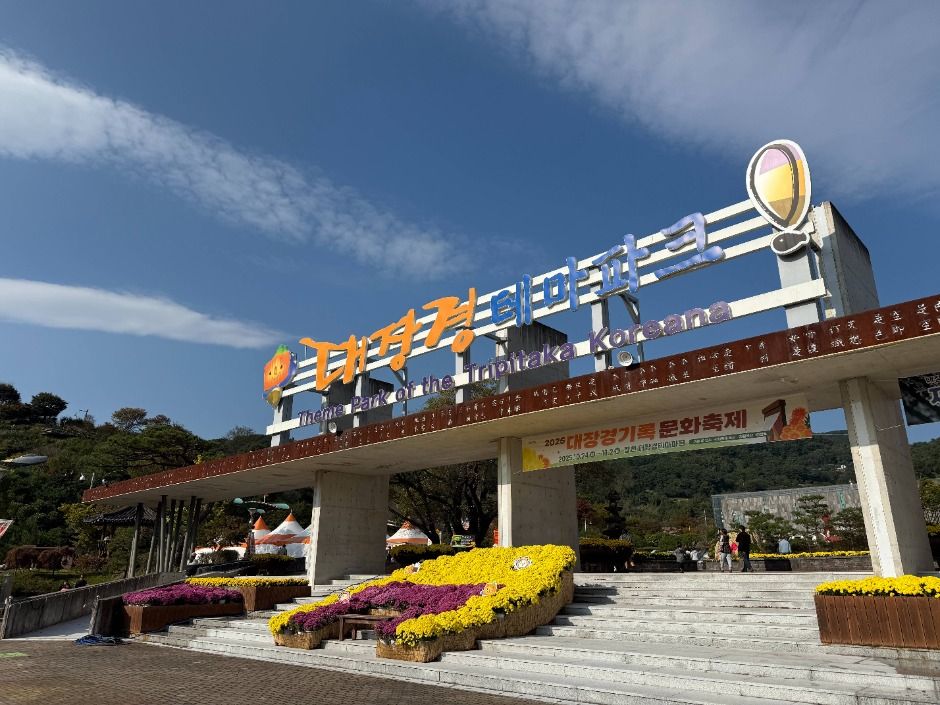
The Tripitaka Koreana Cultural Festival showcases the cultural values of Tripitaka Koreana combined with vibrant content featuring splendid autumn flowers. Visitors can enjoy fall flowers and take part in various hands-on activities.
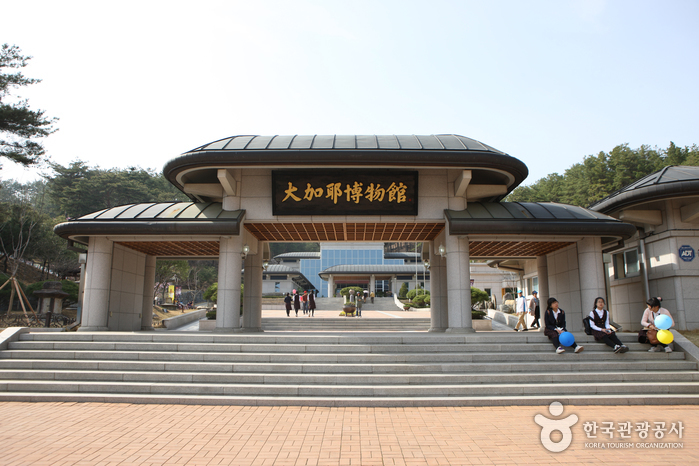
Daegaya Museum (대가야 박물관)
18.1Km 2022-09-13
1203, Daegaya-ro, Goryeong-gun, Gyeongsangbuk-do
Daegaya Museum exhibits the history, culture, and customs of the Daegaya Kingdom. The museum consists of the Daegaya Royal Tomb Pavilion, the Daegaya History Pavilion, and Ureuk Museum.
The Royal Tomb Pavilion is a 37 meter-wide dome that houses relics of the Jisan-dong Ancient Tombs, a Historic Site. It is essentially the restoration of the Jisandong Tumulus, the first large-scale sunjang (burial of the living with the dead).
The History Pavilion houses a collection of relics from the Daegaya Kingdom, while holding special exhibitions and educational activities periodically. The outdoor exhibition center displays items that showcase the ancient lifestyle.
Ureuk Museum is a dedicated to Ureuk, a Daegaya musician who invented the gayageum, a traditional Korean twelve-stringed instrument.
 English
 한국어
한국어 日本語
日本語 中文(简体)
 Deutsch
 Français
 Español
 Русский


