The Hyoosik Nouvelle Seoul Itaewon (더휴식 누베르 서울 이태원점)
8.6Km 2025-04-08
11 Usadan-ro 14-gil, Yongsan-gu, Seoul
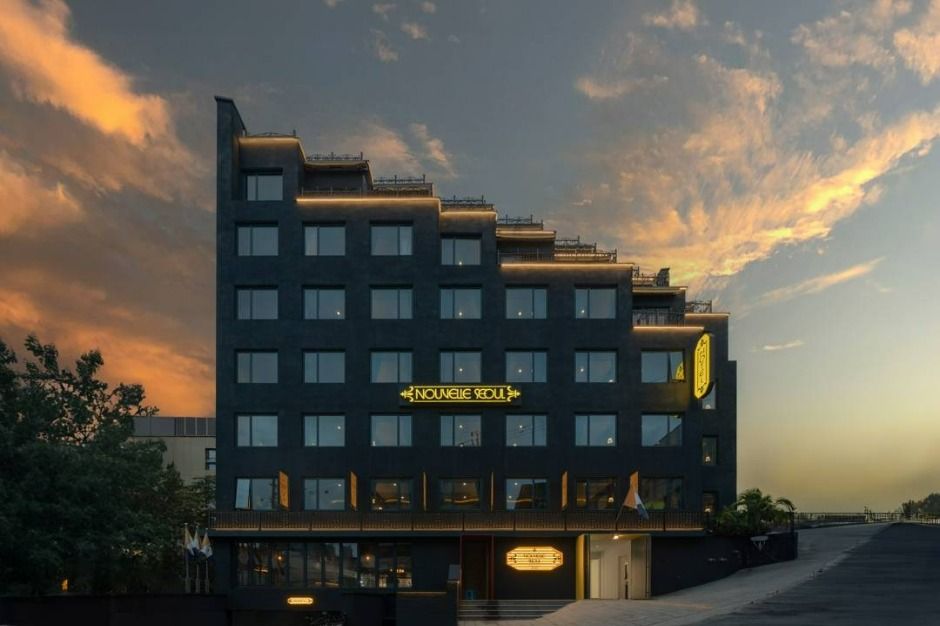
The Hyoosik Nouvelle Seoul Itaewon aims to rediscover Seoul through creativity and inspiration. The overall design of the hotel is inspired by French avant-garde, using a variety of objects and props to create an artistic and stylish atmosphere. The hotel has Collection T room type, a twin bedroom; Collection D room type, a double bedroom; and Collection S room type, a single bedroom. On the first floor of the hotel is a guest lobby and a pasta restaurant. The hotel's parking lot is limited in space, and therefore guests are advised to use a nearby public parking lot.
Korea House (한국의집)
8.6Km 2025-10-23
10, Toegye-ro 36-gil, Jung-gu, Seoul
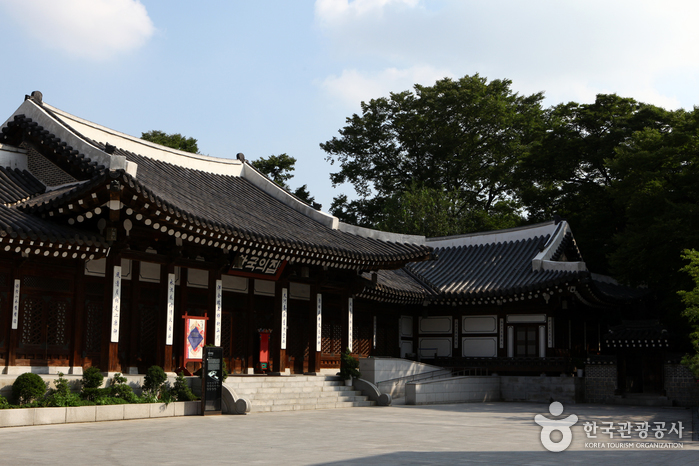
The Korea House was opened in 1981. It is a traditional Korean building that introduces the culture and lifestyle of Koreans, where you can experience traditional architecture and a classical atmosphere. The building was built in the style of the Joseon Dynasty's Jagyeong-jeon building at the Gyeongbok Palace. It is the only building built in the traditional architectural style. You will feel its antiquity as you enter the building.
It is divided into the Haerin-gwan (a space for people to get acquainted with each other), the Traditional Theater, and three annex buildings (Munhyang-ru, Nokeum-jeong and Cheongwu-jeong). At Haerin-gwan, you can enjoy traditional music at Garak-dang and try traditional food at Sohwa-dang. In the square of Garak-dang you can view a traditional wedding (on the weekends) or people playing folk games. Also, at the Traditional Theater, about 156 seats are available, and in the afternoons Human Cultural Assets or members of the National Center for Korean Traditional Performing Arts and the National Corps members present traditional music and dances. Sinayui, Salpuri, Pansori, the Drum Dance and the Bongsan Mask Dance are the most popular programs for foreigners. The programs are all explained in English and Japanese.
In the Cultural Gift Shop you can view various crafts made by traditional craftsmen. It is always open and the crafts are for sale as well. There are pottery, ceramics, golden crafts, knots and embroidery etc; approximately 500 pieces of artwork made by craftsmen from 20 different fields. Next to the House of Korea is the Namsan-gol Hanok Village where visitors can explore traditional houses.
Gangbuk-gu Children's Day Festival (강북구 어린이날 대축제)
8.6Km 2025-05-08
173 Wolgye-ro, Gangbuk-gu, Seoul
+82-2-554-9795
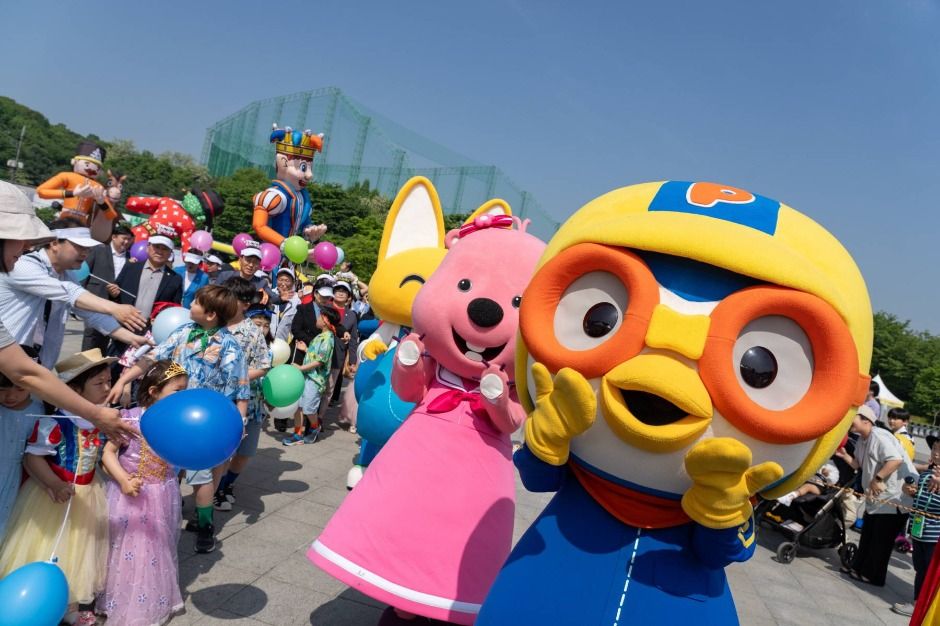
Gangbuk-gu Children's Day Festival takes place at Dream Forest in celebration of Children's Day, which falls on May 5. Programs such as a sing-along show, parades, stage performances, interactive games, and a variety of fun rides are prepared to provide a day filled with fun and laughter.
Namsangol Hanok Village (남산골한옥마을)
8.6Km 2025-07-14
28 Toegye-ro 34-gil, Jung-gu, Seoul
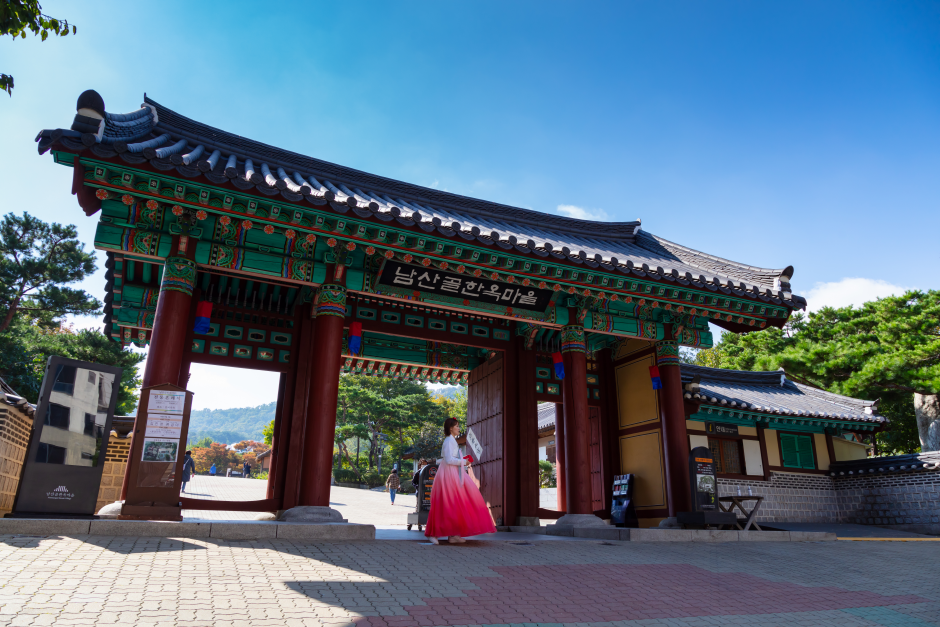
Namsangol Hanok Village opened in 1998 on the northern side of Namsan Mountain in the center of the capital. This village has five restored hanok (traditional Korean house) premises, a pavilion, a traditional garden, a performance art stage, and a time capsule plaza, making it a perfect spot for locals and tourists to take a leisure walk. Upon entering from the front gate, visitors will get a taste of Korea's traditional life while escaping from bustling city life. The traditional garden with its pavilion and old houses creates a peaceful ambiance before the forested Namsan Mountain. A time capsule commemorating Seoul’s 600th anniversary was buried in 1994 at the highest point of the village and is scheduled to be reopened 400 years later in 2394.
The five hanok premises at Namsangol Hanok Village once belonged to aristocrats and government officials of the Joseon dynasty. Each house was originally located in a different neighborhood, but they were all moved to this area and restored to their original form. The houses were rebuilt using their original materials, except for one house, where the materials were too old and deteriorated to be reused. The premises were carefully restored and replicated according to their original form to depict the owners’ social class and personality. These buildings are now used as an exhibit to portray the living environment during the Joseon dynasty and as a venue for educational and cultural programs for children and tourists.
Some of the unique programs and activities to participate in include wearing hanbok, folding hanji (traditional Korean paper), writing in Korean, traditional tea ceremony, traditional etiquette school, and herbal medicine experience. There are also taekwondo demonstrations and other various performances held around the village. Visitors can also try traditional games such as yunnori (traditional board game), or understand more about the area through a guided tour.

Itaewon Special Tourist Zone (이태원 관광특구)
8.6Km 2024-11-27
196 Itaewon-ro, Yongsan-gu, Seoul
Itaewon was the first special tourist zone in Seoul, designated in 1997. It is a multicultural place where over 20,000 foreigners live and is widely recognized by international visitors.
The name Itaewon started to spread worldwide in the 1980s when Korea hosted the 1986 Seoul Asian Games and the 1988 Seoul Olympic Games, as well as many international conferences. Since then, Itaewon has become a popular travel destination. Clothes and accessories with unique designs, and leather products in particular are famous. This is a go-to place for both shopping and entertainment. The street is crowded with shops selling clothes and bags, as well as hotels, restaurants, entertainment facilities and travel agencies. With about 2,000 shops and stores lining every street, visitors can experience a multicultural atmosphere. Also famous in the district is Antique Furniture Street where more than 100 shops selling furniture and antiques stretch from Hamilton Hotel toward Bogwang-ro.
Travelers can taste authentic cuisine and experience culture from around the globe on World Food Street where there are 40 restaurants operated by foreigners. Since the late 1990s, an increase in the number of tourists from Southeast Asia and the Middle East has transformed the streets from being US Army-oriented into culturally diverse. Various performances and events are held in the area. In particular, Itaewon Global Village Festival, held every October, is a famous festival. Tourists can pay in US dollars, Japanese yen, or another currency freely. In addition, visitors can use various languages like English, Japanese, and Chinese with the sellers.
Seoul Namsan Gugakdang (서울 남산국악당)
8.7Km 2021-08-02
28, Toegye-ro 34-gil, Jung-gu, Seoul
+82-2-2261-0500
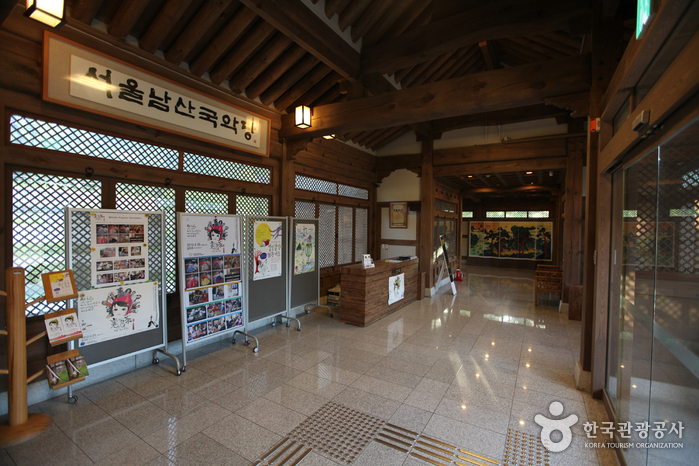
Seoul Namsan Gukakdang was established by Seoul Metropolitan Government as a representative traditional art-centered performance hall in 2007. It is comprised of one ground and two basement levels. The performance hall is located on the basement floor with 300 seats, equipped with facilities that deliver pansori sounds and gayageum music to every seat. Visitors can make a reservation at the Namsangol Hanok Village website.
 English
 한국어
한국어 日本語
日本語 中文(简体)
 Deutsch
 Français
 Español
 Русский


