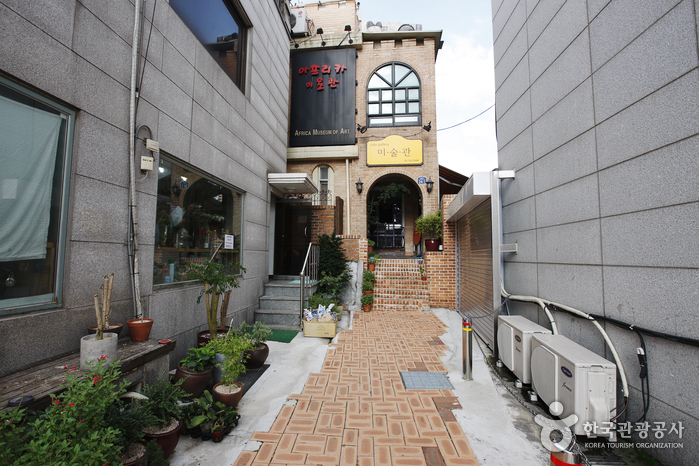
Africa Museum of Art (아프리카미술관)
6.0Km 2022-10-26
24-1, Samcheong-ro, Jongno-gu, Seoul
+82-2-730-2430
The Africa Museum of Art was established with the purpose of hosting various art festivals and providing the grounds for researching various art themes. A major principle of the gallery is to promote works of art that actively attempt to explore the human mind.

Lee Ri-Ja Hanbok Museum (이리자 한복전시관)
6.0Km 2022-08-08
20, Samcheong-ro, Jongno-gu, Seoul
+82-2-734-9477
The Lee Ri-Ja Hanbok Museum displays the traditional clothing worn in Korea from birth to death. All hanbok displayed at the museum are created by the hanbok designer Lee Ri-Ja herself, who has over 40 years of experience.
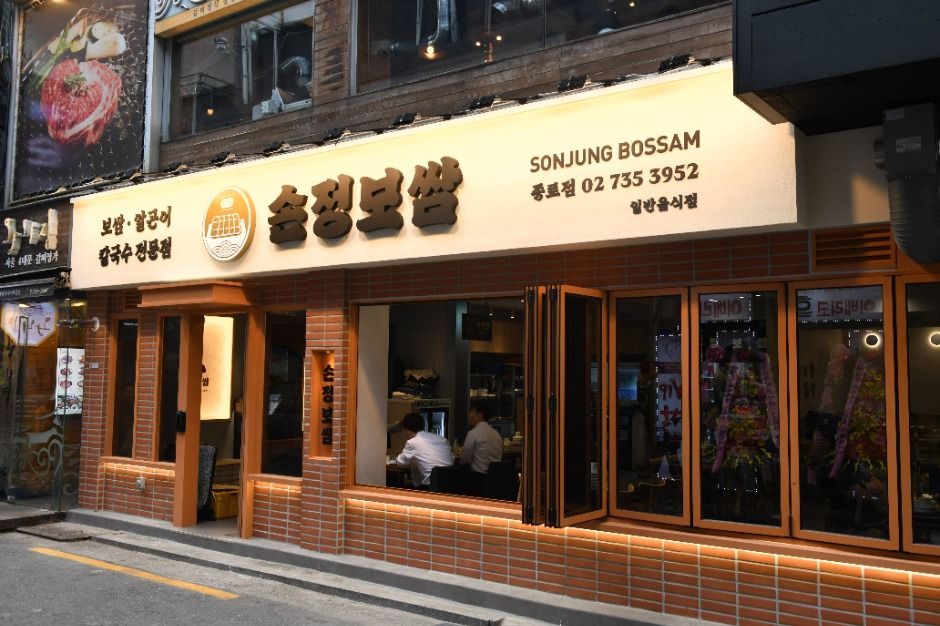
Sonjung Bossam (손정보쌈)
6.1Km 2025-07-25
24 Samil-daero 15-gil, Jongno-gu, Seoul
Sonjung Bossam offers dishes with a modern touch by reinterpreting traditional meals. Passed down for three generations, this restaurant values sincerity and careful attention in food making in order to serve every customer a heartwarming meal. Sonjung Bossam's signature dish Premium Gabri Bossam takes only the rarest pork cut, the blade-end fatback called "gabri" in Korean, and boils the meat using the restaurant's secret recipe for tender, juicy meat. The restaurant also serves their own special version of spicy stir-fried fish roe and intestines and haemultang (spicy seafood stew), boasting a generous amount of various seafood and rich broth. All meals are prepared wholeheartedly as if they are being served to a family.
Junggok-dong Furniture Street (중곡동 가구거리)
6.1Km 2025-03-17
Cheonho-daero, Gwangjin-gu, Seoul
010-5508-0089
Junggok-dong Furniture Street stretches between Achasan Subway Station and Gunjagyo Bridge, hosting a concentration of furniture stores on either side of the main road. This area accommodates a diverse range of furniture stores, featuring well-known domestic and international brands alongside smaller and medium-sized furniture shops. It serves as a convenient destination for customers to compare and purchase various furniture items, including beds, sofas, dining tables, wardrobes, chairs, and interior accessories, all within close proximity. The accessibility to Gunja Subway Station makes it easily reachable via public transportation.
Jogyesa Temple (조계사(서울))
6.1Km 2024-10-25
55 Ujeongguk-ro, Jongno-gu, Seoul
As the main temple as well as the district head temple of the Jogye order in Seoul, Jogyesa Temple is the center of Korean Buddhism. The temple was built in the late 14th century during the Goryeo period but was completely destroyed in a fire. It was rebuilt under the name of Gakwangsa Temple in 1910 with the effort of many respectful monks, namely Han Yong-un and Lee Hee-gwang. The temple was given a role as the head temple of Korea’s Buddhism and renamed to Tegosa Temple in 1936. In 1954, a purification drive took place to eliminate Japanese influence and revive traditional Buddhism, which established the present day Jogyesa Temple as a result.
Jogyesa Temple plays an important role in Korean Buddhism as the head temple of the Jogye order. Jogyesa Temple’s Dharma Hall serves as the main venue for several Buddhist events, holding rituals, lectures, ceremonies, and other events all year long. The annual lantern festival in celebration of Buddha's birthday also takes place at this temple.

Waple Wood Artwork Place (와플목공방)
6.1Km 2025-10-30
5-6 Wangsimni-ro 10-gil, Seongdong-gu, Seoul
Interior items made from wood
This workshop is visited by celebrities such as Park Narae of the entertainment program 'I Live Alone' and KAI of EXO. It is also the place where the senior wooden box that appeared in the movie 'PARASITE' was made. You can make your own interior accessories such as chairs and tabletops using hardwood. One-day classes on making ballpoint pens and mechanical pencils are also popular.
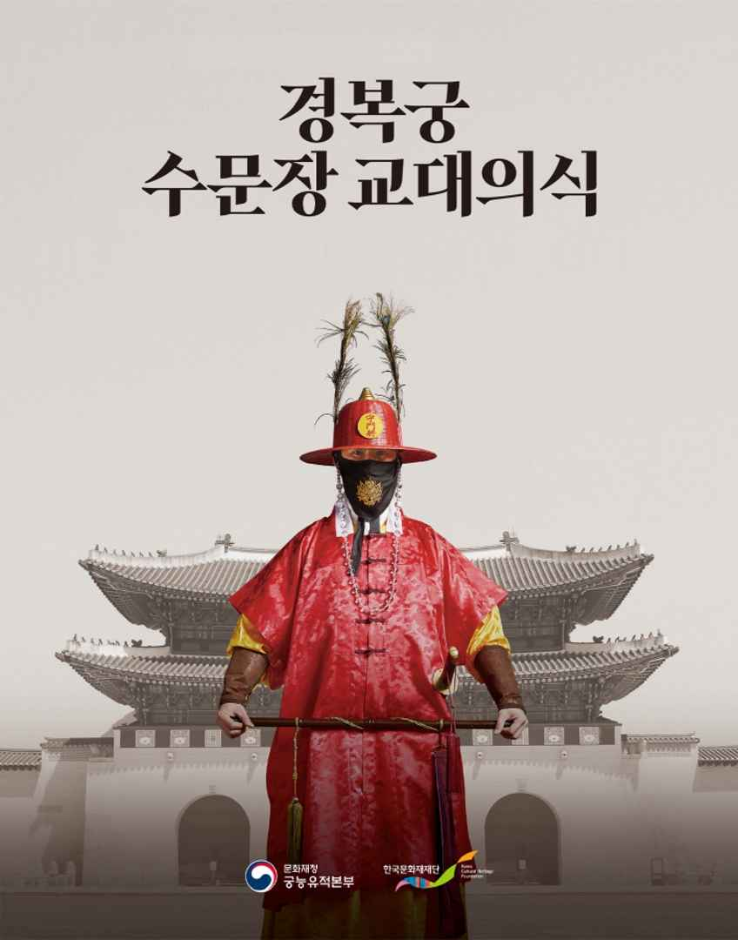
Palace Royal Guard Changing Ceremony (수문장 교대의식)
6.2Km 2025-07-11
161 Sajik-ro, Jongno-gu, Seoul
+82-2-3210-1645
In the Joseon dynasty, the royal guards of the palace were gatekeepers who were responsible for guarding the the main gates of Gyeongbokgung Palace as well as the main gates of the city such as Heunginjimun Gate and Sungnyemun Gate. The royal guards worked in shift duties and were in charge of opening and closing Gwanghwamun Gate. Before the royal guard system was enforced in 1469, the palace gates were protected by soldiers of the central army. The Palace Royal Guard Changing Ceremony held at Gyeongbokgung Palace and the Gwanghwamun area reenacts the guard-changing procedure that took place during the Joseon dynasty, along with the reproduction of costumes and weapons, based on historical records.
Seoul Eungbongsan Mountain (응봉산(서울))
6.2Km 2024-07-05
1540 Geumho-dong 4-ga, Seongdong-gu, Seoul
+82-2-2286-6061
From Eungbongsan Mountain, one can easily see the Hangang River, Seoul Forest, Jamsil Sports Complex and more in the eastern part of Seoul. With such a great view of the Hangang River, the mountain is often packed with visitors including many photographers. The mountain serves as a venue for diverse events, including a sunrise festival on New Year's Day and forsythia festival around April during the flowering season.
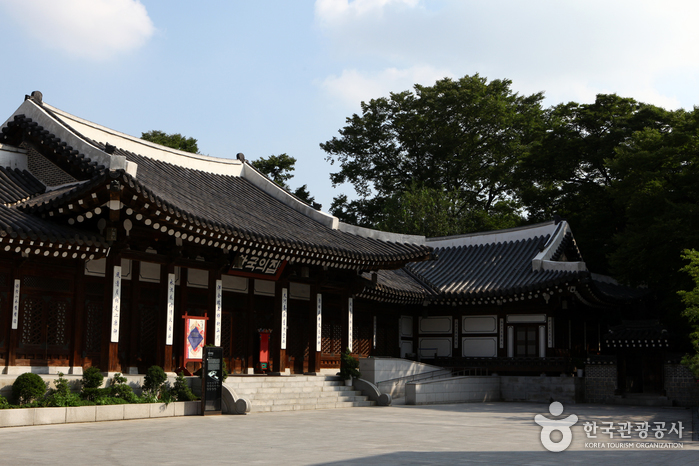
Korea House (한국의집)
6.2Km 2025-10-23
10, Toegye-ro 36-gil, Jung-gu, Seoul
The Korea House was opened in 1981. It is a traditional Korean building that introduces the culture and lifestyle of Koreans, where you can experience traditional architecture and a classical atmosphere. The building was built in the style of the Joseon Dynasty's Jagyeong-jeon building at the Gyeongbok Palace. It is the only building built in the traditional architectural style. You will feel its antiquity as you enter the building.
It is divided into the Haerin-gwan (a space for people to get acquainted with each other), the Traditional Theater, and three annex buildings (Munhyang-ru, Nokeum-jeong and Cheongwu-jeong). At Haerin-gwan, you can enjoy traditional music at Garak-dang and try traditional food at Sohwa-dang. In the square of Garak-dang you can view a traditional wedding (on the weekends) or people playing folk games. Also, at the Traditional Theater, about 156 seats are available, and in the afternoons Human Cultural Assets or members of the National Center for Korean Traditional Performing Arts and the National Corps members present traditional music and dances. Sinayui, Salpuri, Pansori, the Drum Dance and the Bongsan Mask Dance are the most popular programs for foreigners. The programs are all explained in English and Japanese.
In the Cultural Gift Shop you can view various crafts made by traditional craftsmen. It is always open and the crafts are for sale as well. There are pottery, ceramics, golden crafts, knots and embroidery etc; approximately 500 pieces of artwork made by craftsmen from 20 different fields. Next to the House of Korea is the Namsan-gol Hanok Village where visitors can explore traditional houses.
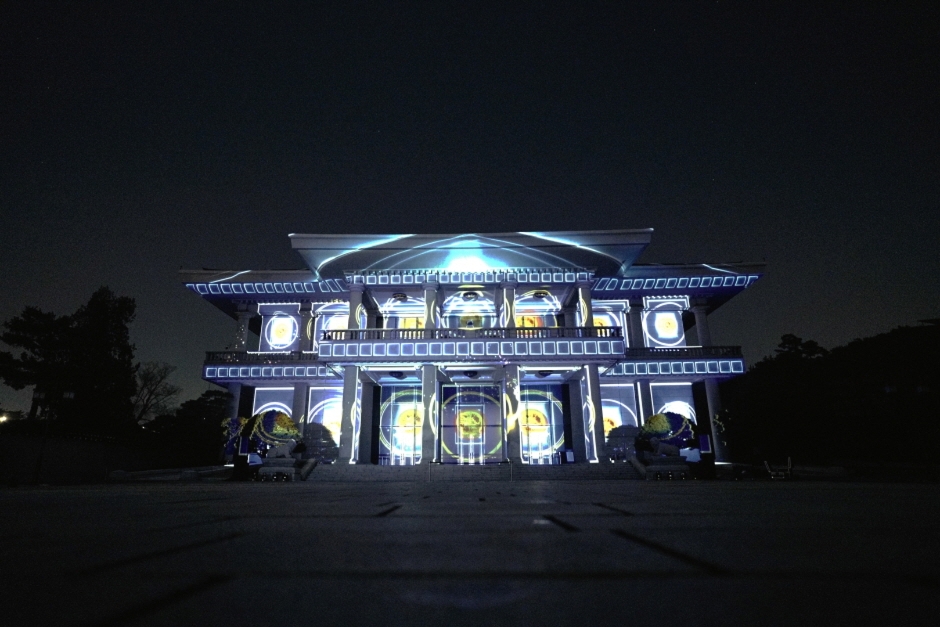
Cheong Wa Dae Media Display (청와대 국민과 함께 영상전시)
6.2Km 2025-08-20
1 Cheongwadae-ro, Jongno-gu, Seoul
박주원 학예연구사 02-3771-8636
Cheong Wa Dae Media Display brightens the night through a media facade display on Yeongbingwan Hall. The display shows the history of Cheong Wa Dae through the theme "Twelve Lights".
 English
 한국어
한국어 日本語
日本語 中文(简体)
 Deutsch
 Français
 Español
 Русский


