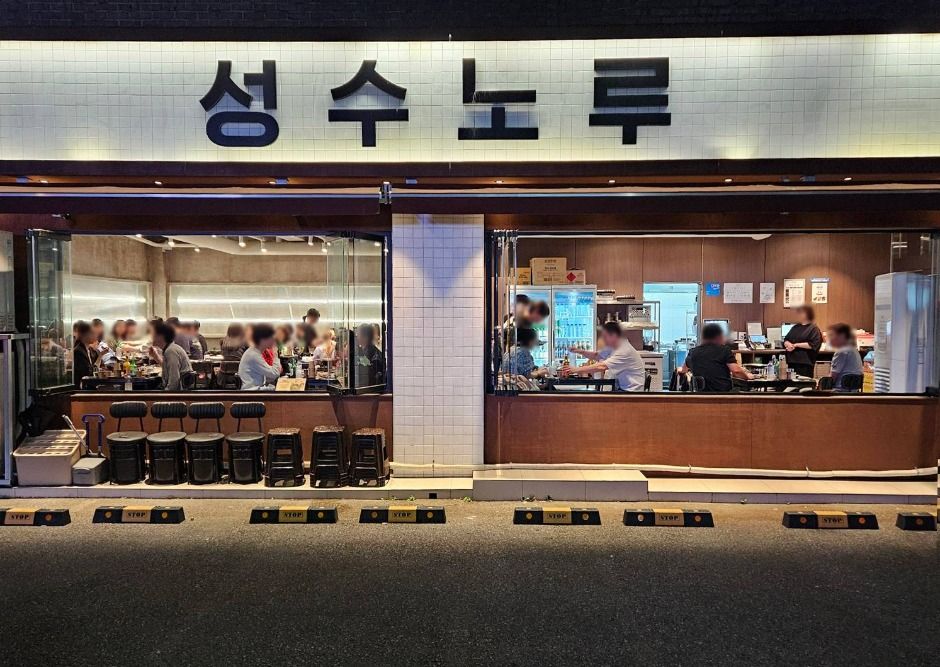
Seongsunoru (성수노루)
18.2Km 2025-05-07
110 Achasan-ro, Seongdong-gu, Seoul
Seongsunoru is a hanu grilled gopchang (Korean beef small intestines) restaurant. The meat is grilled by staff, ensuring crispy on the outside and soft on the inside. Besides grilled gopchang, the restaurant also offers a variety of menu items using Korean beef daechang (large intestines) and makchang (tripe) as the main ingredient. Popular add-ons and side dishes include yukhoe (beef tartare), cheese fried rice, kimchi noodles, and soft bean curd jjigae. The restaurant is equipped with a parking lot and has a corkage fee system.

Amsa-dong Prehistoric Site Museum (암사동선사유적박물관)
18.2Km 2023-12-22
875 Olympic-ro, Gangdong-gu, Seoul
The archaeological sites in Amsa-dong, Seoul, were a collective settlement where people lived during the Neolithic Age about 6,000 years ago and became known to the world after the sand dunes along the Hangang River caved in during the great flood of 1925, exposing numerous pieces of comb-patterned pottery. The area designated as a historic site in 1979, and excavation of the site took place from 1981 to 1988. The cultural heritage protection area was expanded to a total area of 78,133㎡. Currently, nine Neolithic dugout huts and one experiential dugout hut have been restored. The exhibitions currently open to the public are Exhibition Hall 1, which displays a restoration of a Neolithic Age dugout, and Exhibition Hall 2, which displays various panels and models to help understand the prehistoric era as a whole.
Archaeological Site in Amsa-dong, Seoul (서울 암사동 유적)
18.2Km 2021-07-27
875, Olympic-ro, Gangdong-gu, Seoul
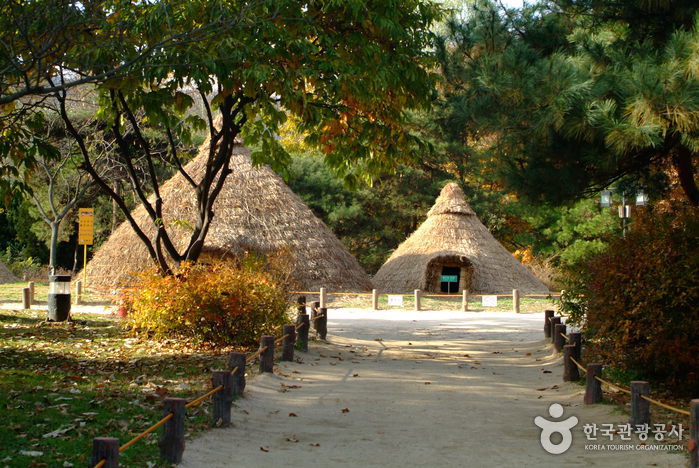
The Archaeological Site in Amsa-dong reproduces the lifestyle of the Neolithic Era. Even the entrance gate is shaped like a huge dolmen and the trash cans are ancient diagonal-line patterned earthenware. Archaeological Site in Amsa-dong was excavated in 1925 when a flood washed away the soil on the banks of the Hangang River and exposed a large number of diagonal-line patterned earthenware. After several excavations, the Archaeological Site in Amsa-dong was established.
The site was a location for a massive colony, thus many ancient buildings, stone axes and stone arrows have been uncovered as well as countless diagonal-line patterned earthenware. The housing site is round with a spot in the center for fire. The site is colossal and possesses nine mud huts, two exhibition halls displaying ancient artifacts and an open mud hut where visitors can experience life in the Neolithic Era. The site offers many attractions such as mud huts and promenades. Archaeological Site in Amsa-dong is also very educational for children and families who want to learn and experience the Neolithic Age.
Seongsu Stage 35 (스테이지35 성수)
18.3Km 2025-07-17
35 Yeonmujang-gil, Seongdong-gu, Seoul
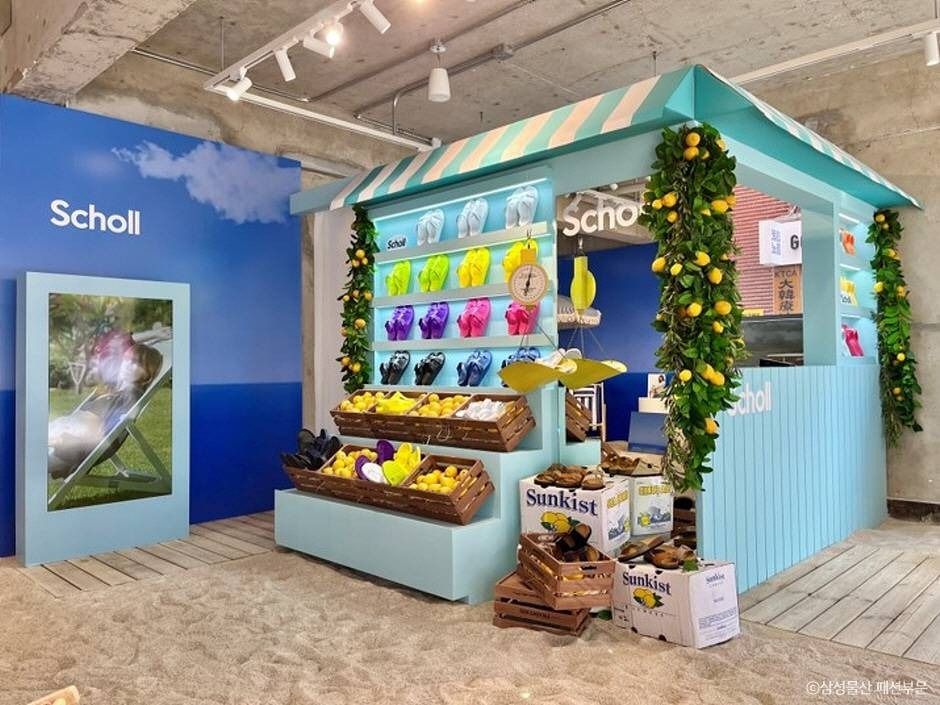
Located in Seongsu-dong, a popular neighborhood in Seoul, Stage 35 is a cultural complex spread across four floors. Capturing the unique vibes of Seongsu-dong and keeping up with trends, Stage 35 hosts pop-up stores, art exhibitions, showcase launches, and offers a space for content filming. It is considered a must-visit place for visitors who want to keep up with trends and experience brands' new season items. It has hosted collaborations with popular brands, including Levi's, Comme des Garçons, Thom Browne, and Bao Bao.
Seongsu-dong Cafe Street (성수동 카페거리)
18.3Km 2024-10-28
Seongsu-dong, Seongdong-gu, Seoul
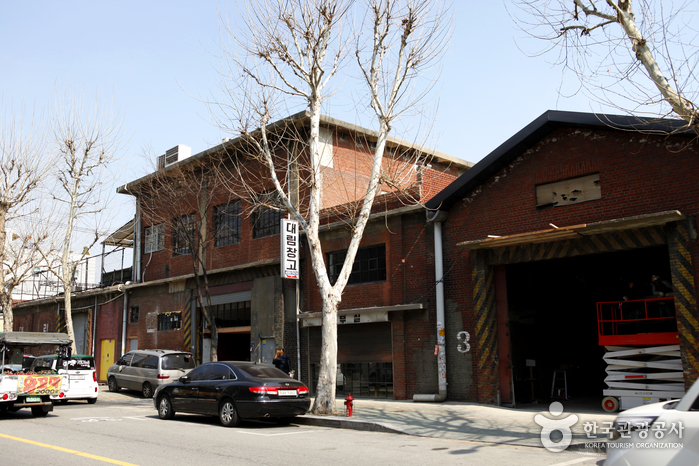
Yeonmujang-gil in Seongsu-dong, known for old factories and a shoe workshop street, has been reborn as a place of trendy cafes and culture. The energy of car repair shops, printing factories, and handmade shoes street still exist today but, as global restaurant brands, select shops, and cafes have set up amidst busily operating factories, an atmosphere unique to Seongsu-dong has been created. "Daerim Warehouse" led to the change in the Seongsu-dong streets and can be said to be the originator of all warehouse-style cafes that are popular throughout Cafe Street today. The red-brick structure, antique signboards, and a vast indoor space of an old warehouse have been maintained and, with the addition of a sensuous interior design, it has become a space suitable for fashion shows and exhibits, thus showing new potential for old Seongsu-dong architecture. Every day, new cafes, bakeries, restaurants, and cultural complexes open their doors and are busy welcoming visitors.
Ongeundal (옹근달)
18.3Km 2025-10-29
41-1, Seongsui-ro 7-gil, Seongdong-gu, Seoul
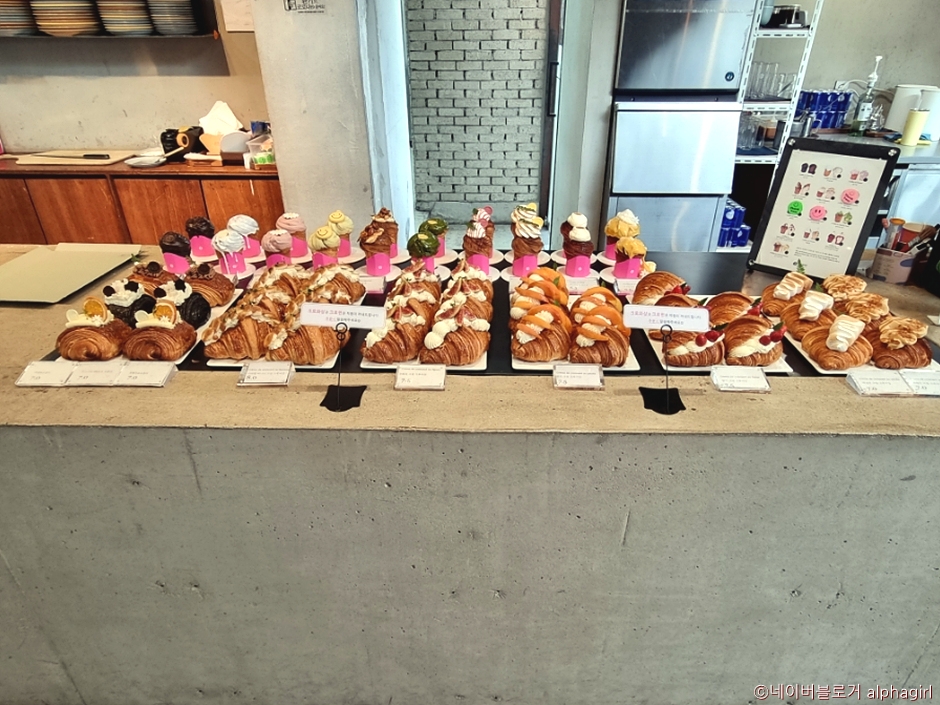
This bakery in Seongsu-dong boasts a colorful and unique visual, and is gaining popularity for its “cruffin,” a hybrid of a croissant and muffin. The menu includes a variety of breads and desserts, such as canelé, pound cake, crumble, and mille-feuille, making it a paradise for bread-lovers. The courtyard of the building, which was remodeled from an old factory, has thick bushes and a small square pond, offering a unique view. The floor-to-ceiling windows in this two-story building create the feeling of a wide, open space, making it full of photo opportunities.
Perbacco (페르바코)
18.3Km 2024-09-11
30 Neungdong-ro 16-gil, Gwangjin-gu, Seoul
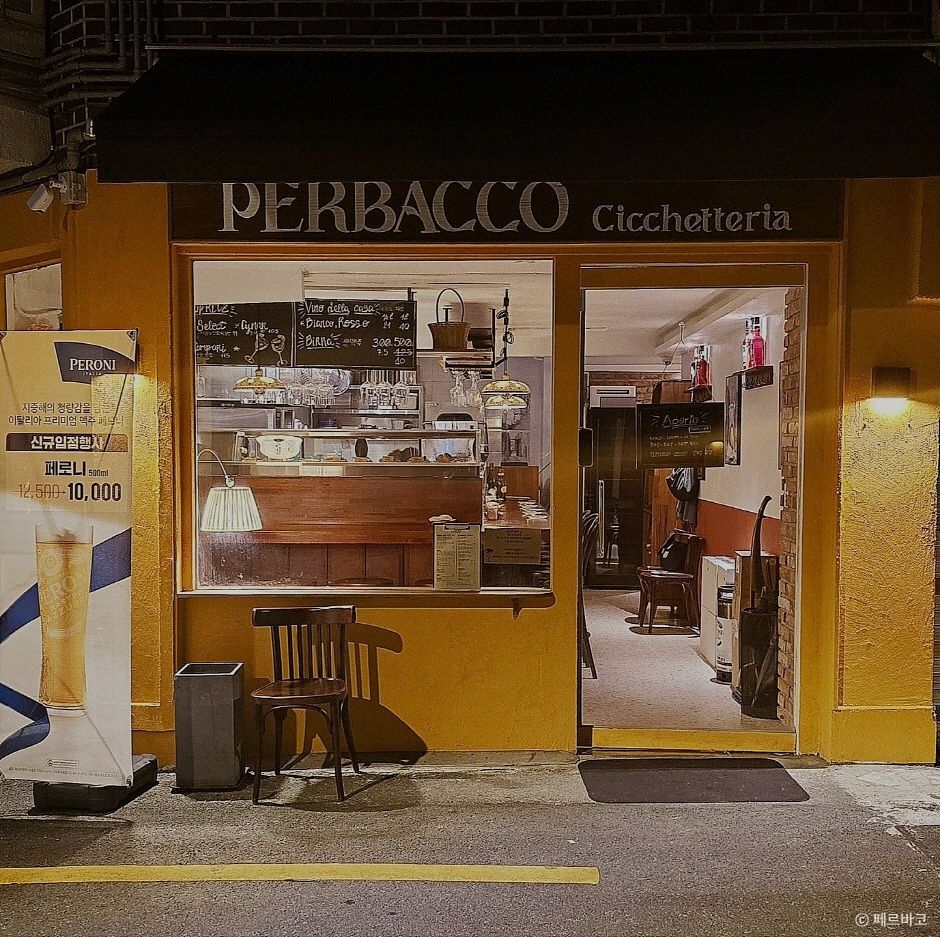
Perbacco is a Venetian style pub, better known as a chicchetteria. The pub offers lesser-known Italian snack fare from Venice, with their main dish being cicchetti, flat slices of bread piled with various ingredients, usually focusing on seafood.
Ewha Womans University (이화여자대학교)
18.4Km 2023-07-04
52, Ewhayeodae-gil, Seodaemun-gu, Seoul
Ewha Womans University is Korea's first women's university founded in 1886 by American Methodist missionary Mary Scranton. Ewha Womans University is also the most famous women's university in Korea and its name originates from Ehwa Hakdang, a name given by Empress Myeongseong in 1887. Ewha Womans University created a four-year university course in 1910, and in 1943, the name of Ewha was taken away during the Japanese colonial period and downgraded to a one-year school. In October 1945, the year of Korea's independence from Japan, it regained the name of Ewha and was promoted to a university with eight departments. Currently, it consists of 15 graduate schools, 11 colleges, and 67 departments, and there are 8 affiliated research institutes.
The street in front of Ewha Womans University is famous for shopping. This place is full of clothing stores and neat food that boast a popping sensation to suit the tastes of female college students. The shopping street in front of Ewha Womans University is a straight road that lies ahead of Exits 2 and 3 of Seoul Subway Line 2. Alleyways stretch out like branches around this street and are filled with various accessory shops, clothing stores, shoe stores, restaurants, cafes, and beauty salons.
Daelim Changgo Gallery (성수동 대림창고 갤러리)
18.4Km 2025-03-18
78 Seongsui-ro, Seongdong-gu, Seoul
Daelim Changgo Gallery, which is a landmark in Seongsu-dong, is a red-brick building that was once used as a rice mill in the 1970s. It is now a cafe and art gellery that preserves as much of the original rice mill atmosphere as possible so it exudes fascinatingly vintage vibes, widely loved by young couples.
Godeok-dong Ecological Landscape Conservation Area (고덕동 생태경관 보전지역)
18.4Km 2021-06-10
Area of 396beon-ji, Godeok-dong, Gangdong-gu, Seoul
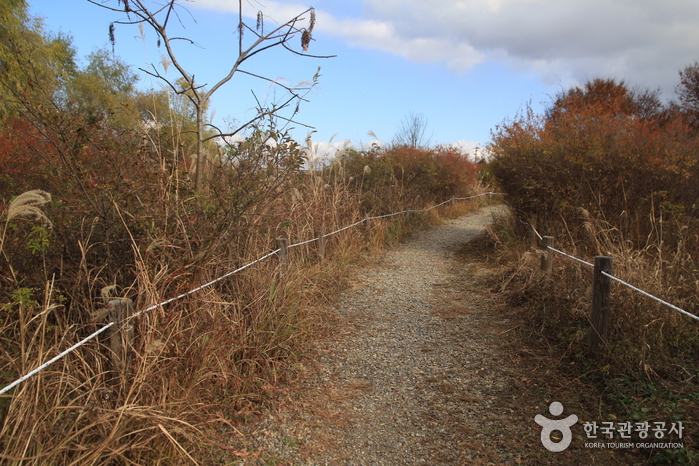
Located next to the Godeok Riverside Restoration Area, the Godeok-dong Ecological Landscape Conservation Area is one of the most well-maintained ecological preservation sites in Seoul. The area includes Amsa Sluice Gate, Hoan, and Hangang River Reservoir. The area offers educational facilities for visitors to learn more about the ecosystem.
 English
 한국어
한국어 日本語
日本語 中文(简体)
 Deutsch
 Français
 Español
 Русский


