Namsangol Hanok Village (남산골한옥마을)
4.7Km 2025-07-14
28 Toegye-ro 34-gil, Jung-gu, Seoul
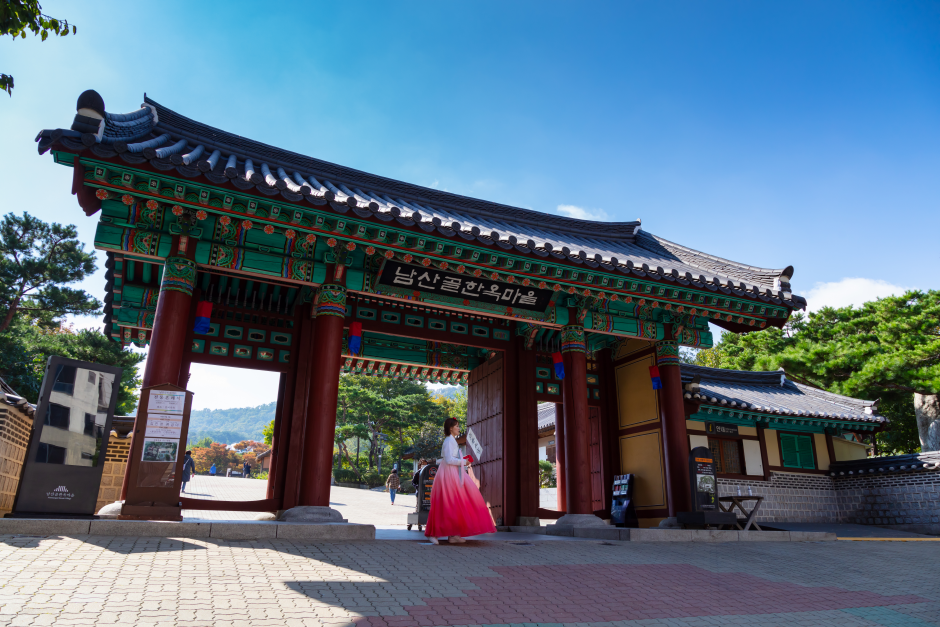
Namsangol Hanok Village opened in 1998 on the northern side of Namsan Mountain in the center of the capital. This village has five restored hanok (traditional Korean house) premises, a pavilion, a traditional garden, a performance art stage, and a time capsule plaza, making it a perfect spot for locals and tourists to take a leisure walk. Upon entering from the front gate, visitors will get a taste of Korea's traditional life while escaping from bustling city life. The traditional garden with its pavilion and old houses creates a peaceful ambiance before the forested Namsan Mountain. A time capsule commemorating Seoul’s 600th anniversary was buried in 1994 at the highest point of the village and is scheduled to be reopened 400 years later in 2394.
The five hanok premises at Namsangol Hanok Village once belonged to aristocrats and government officials of the Joseon dynasty. Each house was originally located in a different neighborhood, but they were all moved to this area and restored to their original form. The houses were rebuilt using their original materials, except for one house, where the materials were too old and deteriorated to be reused. The premises were carefully restored and replicated according to their original form to depict the owners’ social class and personality. These buildings are now used as an exhibit to portray the living environment during the Joseon dynasty and as a venue for educational and cultural programs for children and tourists.
Some of the unique programs and activities to participate in include wearing hanbok, folding hanji (traditional Korean paper), writing in Korean, traditional tea ceremony, traditional etiquette school, and herbal medicine experience. There are also taekwondo demonstrations and other various performances held around the village. Visitors can also try traditional games such as yunnori (traditional board game), or understand more about the area through a guided tour.

Yonsei GoodDay Dental Clinic Yangjae Office (연세굿데이치과의원 양재점)
4.7Km 2026-01-02
5th–6th Floors, 206 Gangnam-daero, Seocho-gu, Seoul
This is Yonsei Good Day Dental Clinic where English is available. Specialists from university hospitals with more than 10 years of experience gather and treat by field. We provide a wide range of treatment services, including affiliated hotels and tax refund. Experience pain-free dental treatment with painless anesthesia and sleep anesthesia.
Ttukseom Hangang Park Sledding Hill (한강공원 뚝섬 눈썰매장)
4.7Km 2023-11-02
139, Gangbyeonbuk-ro, Gwangjin-gu, Seoul
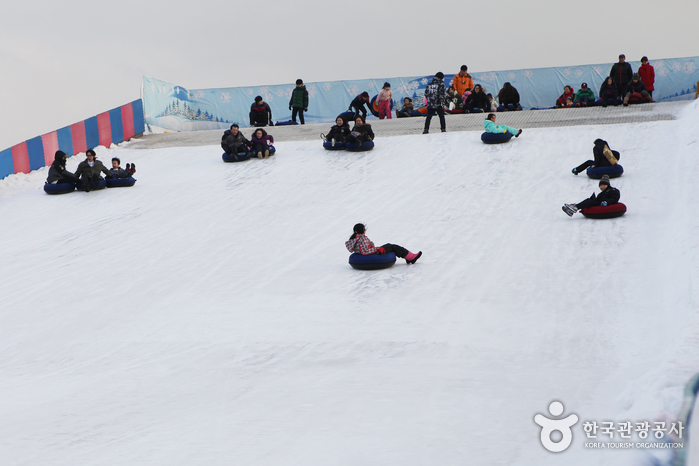
Ttukseom Hangang Park Sledding Hill is comprised of large and small slopes as well as a snow hill, rides, smelt-fishing and other hands-on program venues.
Ttukseom Hangang Park (뚝섬한강공원)
4.7Km 2024-07-09
139 Gangbyeonbuk-ro, Gwangjin-gu, Seoul
Ttukseom Hangang Park was a famous resort site even before its rebirth as part of the greater Hangang Park. The park consists of various amenities: music fountains, a riverside square, a rose garden, playground, and a nature learning center.
The park boasts an exquisite cultural complex called Jabeolle (J-Bug), offering plenty of art and rest facilities as well as a magnificent view of the Hangang River. Conveniently located near Ttukseom Resort Station, Jabeolle houses a café, tea house, and gift shop, as well as exhibitions by media artists.
Ttukseom Hangang Park is open all year round and has a variety of attractions that change with each season. During the summer season, visitors can enjoy the thrill of windsurfing, waterskiing, and motor boating. During spring and fall, the park has a number of seasonal flower exhibitions. In winter, sledding and skating await.
In addition, the park offers facilities for X-Games, artificial rock climbing, cruise ships, a Saturday Flea Market, a nursing mothers’ rooms, and women's lounges, making the park a popular place for Seoul citizens.
Songkang Canoe School - Seoul branch (송강카누학교 서울분교)
4.7Km 2023-10-06
139, Gangbyeonbuk-ro, Gwangjin-gu, Seoul
Songkang Canoe School has a variety of services and equipment that enables visitors to experience the joys of kayaking worry-free. Kayak lessons, rentals, tours and equipment storage services are available. Make new friends and enjoy the beauty of the Hangang River with a visit to the Gangnam Canoe Club.
Kayaking at the Songkang Canoe School is taught with a methodical system that aims at giving more people a safe and enjoyable kayaking experience, regardless of level. The club staff love nature and have a passion for paddle sports. Using a dynamic teaching approach, staff members see teaching paddle sports as their mission in life, not just a job. With a pleasant, supportive staff that is always in pursuit of new experiences, participants are sure to create their own adventures.
Ttukseom Hangang Park Outdoor Swimming Pool (한강시민공원 뚝섬수영장(실외))
4.7Km 2023-10-06
139, Gangbyeonbuk-ro, Gwangjin-gu, Seoul
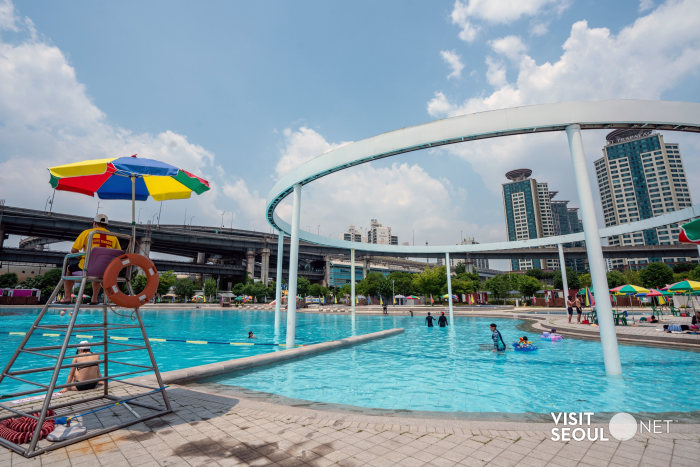
The public outdoor swimming pool at Ttukseom Hangang Park is a fun theme park in the middle of the city.
Seoul Sports Complex (Jamsil Sports Complex) (서울종합운동장(잠실종합운동장))
4.7Km 2024-12-02
25 Olympic-ro, Songpa-gu, Seoul
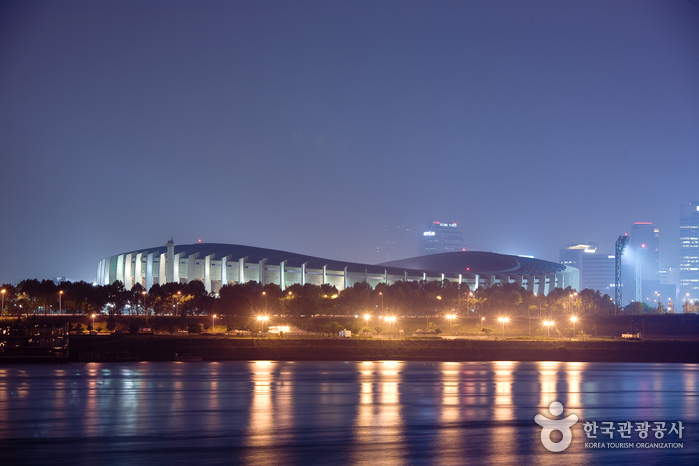
Seoul Sports Complex, located in Songpa, Seoul, hosted the 1986 Asian Games and the 1988 Summer Olympics. It consists of a main stadium, a baseball stadium, an indoor stadium, a students' gymnasium, an indoor swimming pool, and auxiliary stadiums. It serves as the venue for professional baseball and basketball games in Korea, as well as frequent K-pop concerts. Conveniently linked to subway lines 2 and 9, it offers easy access for visitors.
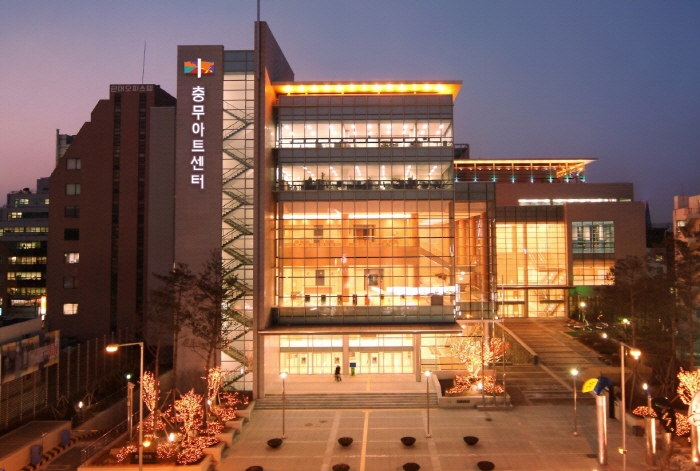
Chungmu Arts Center (충무아트센터)
4.7Km 2024-03-06
387, Toegye-ro, Jung-gu, Seoul
Chungmu Arts Center is a complex cultural facility with an optimal conditions for watching performances. It has a large theater, a medium theater (black), and a small theater (blue). It also boasts great galleries, studios, and a swimming pool, attracting numerous visitors. In addition, one can enjoy performances of various genres, including classical music, plays, musicals, and concerts. Located close to Dongdaemun, it has good accessibility.
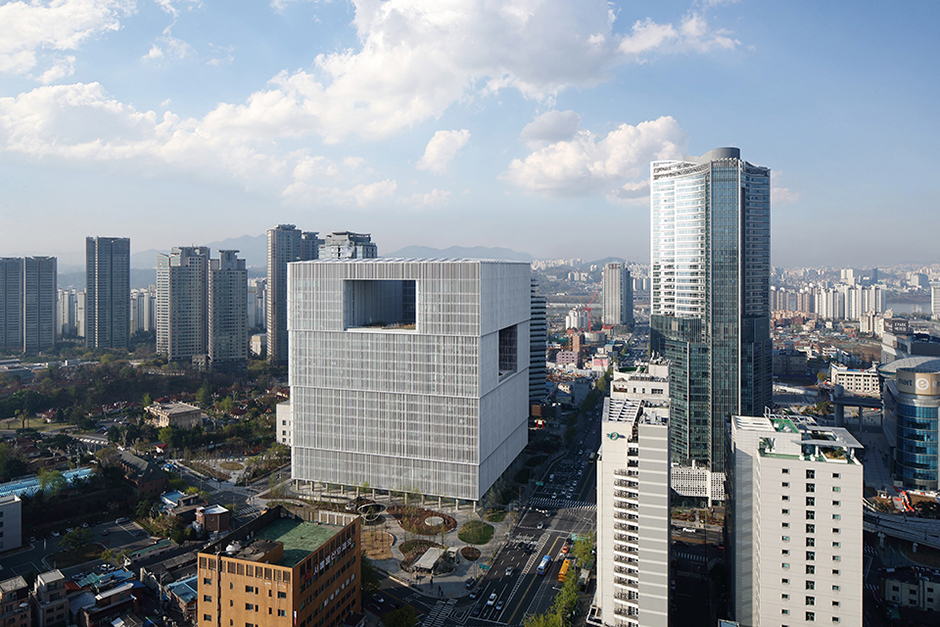
Amorepacific Museum of Art (아모레퍼시픽미술관)
4.7Km 2024-12-31
100 Hangang-daero, Yongsan-gu, Seoul
Amorepacific Museum of Art, located in Yongsan-gu, Seoul, was originally a museum exhibiting artworks collected by the late Seo Seong-hwan, the founder of Amorepacific, but later changed its name to Amorepacific Museum of Art, or APMA, in 2009 and has since been operating as an art exhibition hall. The mission upon its foundation was seeking to be "a space where beauty in the midst of daily lives is discovered" and communicating with the public. In accordance with this objective, the museum collects, researches, and exhibits Korean ancient art and both Korean and international contemporary art while, also, aiding researchers, scholars, and young artists. The underground exhibition hall hosts diverse exhibits encompassing ancient art, contemporary art, and Korean art. The 1st floor of the "Atrium," an enormous space that continues from the 1st to 3rd floors, features the museum lobby, a museum shop, an exhibition space called "APMA Cabinet" and apLAP, which is a library of art exhibition brochures from around the world. The art museum is located on the 1st floor of the new Amorepacific headquarters building, a famous work of architectural beauty of Yongsan designed after white porcelain.
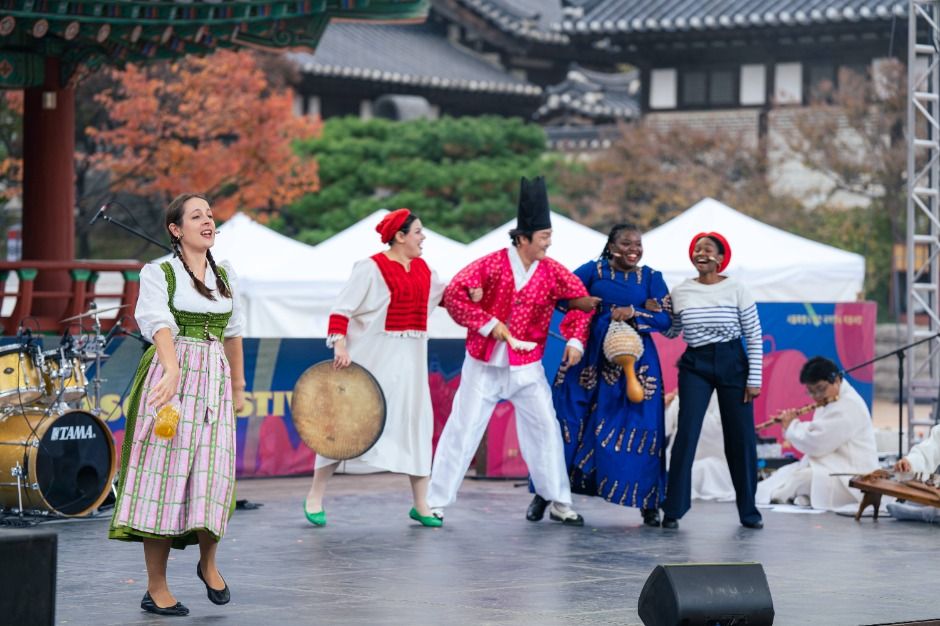
World Pansori Festival (월드판소리페스티벌)
4.8Km 2025-07-30
28 Toegye-ro 34-gil, Jung-gu, Seoul
+82-2-904-2835
World Pansori Festival is an international music festival that aims to promote pansori, the traditional Korean epic chant, and its values. The festival consists of a variety of performances and concert programs based on its yearly theme. In addition, the festival also has interactive activities for the attendees, such as a free pansori lesson and arts-and-crafts, to make pansori and traditional Korean music more accessible to the public.
 English
 한국어
한국어 日本語
日本語 中文(简体)
 Deutsch
 Français
 Español
 Русский


