Mangnidan Street (망리단길)
10.9Km 2025-05-20
Poeun-ro, Mapo-gu, Seoul
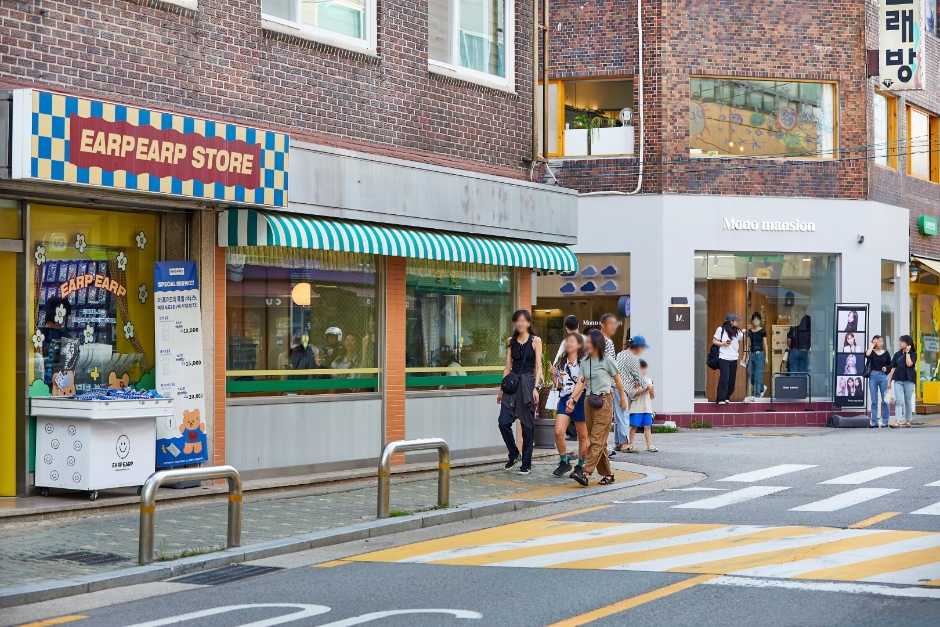
Mangnidan Street is located near Poeun-ro, which can be reached in about 6 to 8 minutes of leisurely walk toward Mangwon Hangang Park from Exit 2 of Mangwon Station on Subway Line 6. Its name comes from the combination of Mangwon-dong and the Gyeongnidan Street in Itaewon, meaning the “Gyeongnidan Street of Mangwon-dong.” There are a variety of restaurants, cafes, dessert shops, and other small shops, each with their own charm, making it a great place to take the kids shopping or just get some rest. This place is quite close to Mangwon Market, so visitors can stop by the market if time allows. Another way to fit this area into the itinerary is as a pit stop for desserts or some shopping before heading to Mangwon Hangang Park.

Homeplus - Yeongdeungpo Branch [Tax Refund Shop] (홈플러스 영등포)
10.9Km 2024-04-22
42, Dangsan-ro, Yeongdeungpo-gu, Seoul
-
Stay Passport Express Spa Dangsan (스테이 패스포트 익스프레스 스파 당산점)
11.0Km 2025-04-09
92-1 Yangpyeong-ro, Yeongdeungpo-gu, Seoul
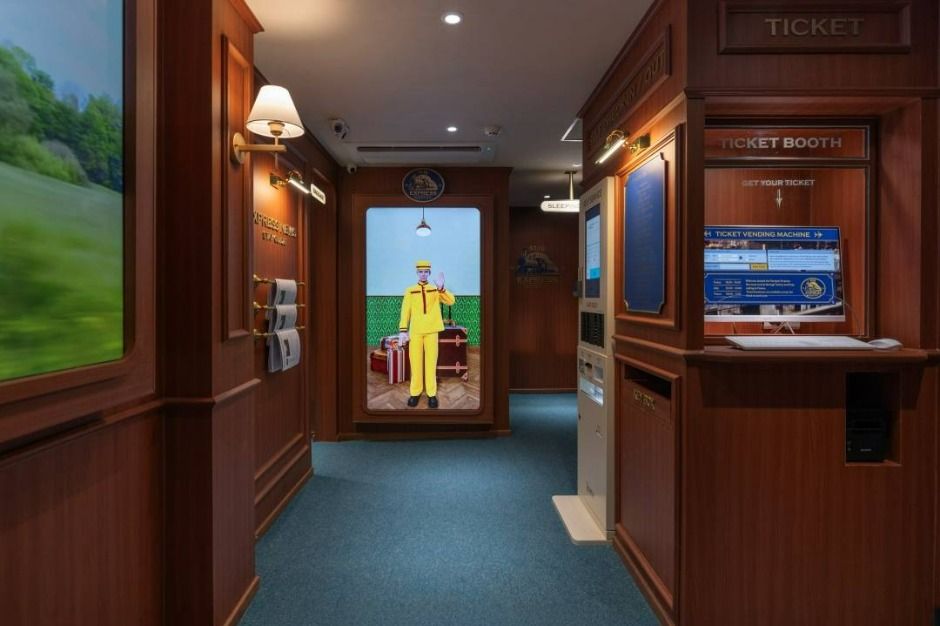
Stay Passport Express Spa Dangsan is inspired by European train trip and has a variety of rooms that sticks to the theme. Room types include COUCHETTE, which comes with a wine chiller and a turntable along with vinyl; SLEEPER 4-1 and 4-2, rooms with a turntable and a jacuzzi for four persons; and SLEEPER, a room with a turntable and a jacuzzi for two. The hotel has limited parking space so guests visiting with a vehicle are advised to inquire in advance for a nearby parking lot.
![M.Ffin - Guro Branch [Tax Refund Shop] (엠핀 구로)](http://tong.visitkorea.or.kr/cms/resource/46/2880246_image2_1.jpg)
M.Ffin - Guro Branch [Tax Refund Shop] (엠핀 구로)
11.0Km 2024-04-22
1F, 569, Siheung-daero, Guro-gu, Seoul
-
![ABC Mart - Sangbong Branch [Tax Refund Shop] (ABC마트 상봉점)](http://tong.visitkorea.or.kr/cms/resource/40/3314140_image2_1.jpg)
ABC Mart - Sangbong Branch [Tax Refund Shop] (ABC마트 상봉점)
11.0Km 2024-06-27
353, Mangu-ro, Jungnang-gu, Seoul
-
Amsa-dong Prehistoric Site Museum (암사동선사유적박물관)
11.0Km 2023-12-22
875 Olympic-ro, Gangdong-gu, Seoul
The archaeological sites in Amsa-dong, Seoul, were a collective settlement where people lived during the Neolithic Age about 6,000 years ago and became known to the world after the sand dunes along the Hangang River caved in during the great flood of 1925, exposing numerous pieces of comb-patterned pottery. The area designated as a historic site in 1979, and excavation of the site took place from 1981 to 1988. The cultural heritage protection area was expanded to a total area of 78,133㎡. Currently, nine Neolithic dugout huts and one experiential dugout hut have been restored. The exhibitions currently open to the public are Exhibition Hall 1, which displays a restoration of a Neolithic Age dugout, and Exhibition Hall 2, which displays various panels and models to help understand the prehistoric era as a whole.
Always August Roasters (올웨이즈 어거스트 로스터스)
11.0Km 2025-08-20
19 Mangwon-ro 6-gil, Mapo-gu, Seoul
+82-507-1384-1622
Located near Mangwon Market, this cafe is sandwiched between tranquil residential buildings, so it is a good place to enjoy a cup and some desserts in peace. The joint serves great coffee and desserts, which go even better together. Its placement on the first floor means that one can get some sun and feel the tranquil atmosphere of Mangwon-dong, a different side of Seoul as a city. Note that this place also offers alcoholic beverages in the form of wine, so if you are up for a longer stay, you can indulge in the wine card curated by the management.
![Aritaum - Guro Digital Complex Station Branch [Tax Refund Shop] (아리따움 구로디지털단지역)](http://tong.visitkorea.or.kr/cms/resource/42/2880242_image2_1.jpg)
Aritaum - Guro Digital Complex Station Branch [Tax Refund Shop] (아리따움 구로디지털단지역)
11.1Km 2024-04-18
1F, 563, Siheung-daero, Guro-gu, Seoul
-
Archaeological Site in Amsa-dong, Seoul (서울 암사동 유적)
11.1Km 2021-07-27
875, Olympic-ro, Gangdong-gu, Seoul
+82-2-3425-6520
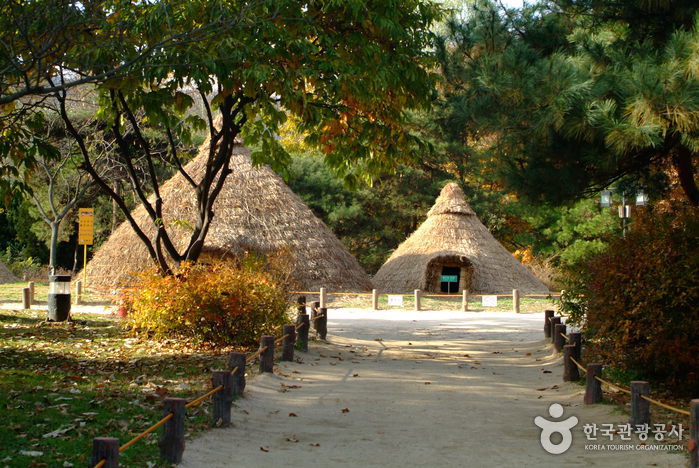
The Archaeological Site in Amsa-dong reproduces the lifestyle of the Neolithic Era. Even the entrance gate is shaped like a huge dolmen and the trash cans are ancient diagonal-line patterned earthenware. Archaeological Site in Amsa-dong was excavated in 1925 when a flood washed away the soil on the banks of the Hangang River and exposed a large number of diagonal-line patterned earthenware. After several excavations, the Archaeological Site in Amsa-dong was established.
The site was a location for a massive colony, thus many ancient buildings, stone axes and stone arrows have been uncovered as well as countless diagonal-line patterned earthenware. The housing site is round with a spot in the center for fire. The site is colossal and possesses nine mud huts, two exhibition halls displaying ancient artifacts and an open mud hut where visitors can experience life in the Neolithic Era. The site offers many attractions such as mud huts and promenades. Archaeological Site in Amsa-dong is also very educational for children and families who want to learn and experience the Neolithic Age.
Jamunbak Cultural Festival (자문밖문화축제)
11.1Km 2025-10-23
5 Pyeongchang 31-gil, Jongno-gu, Seoul
+82-2-6365-1388
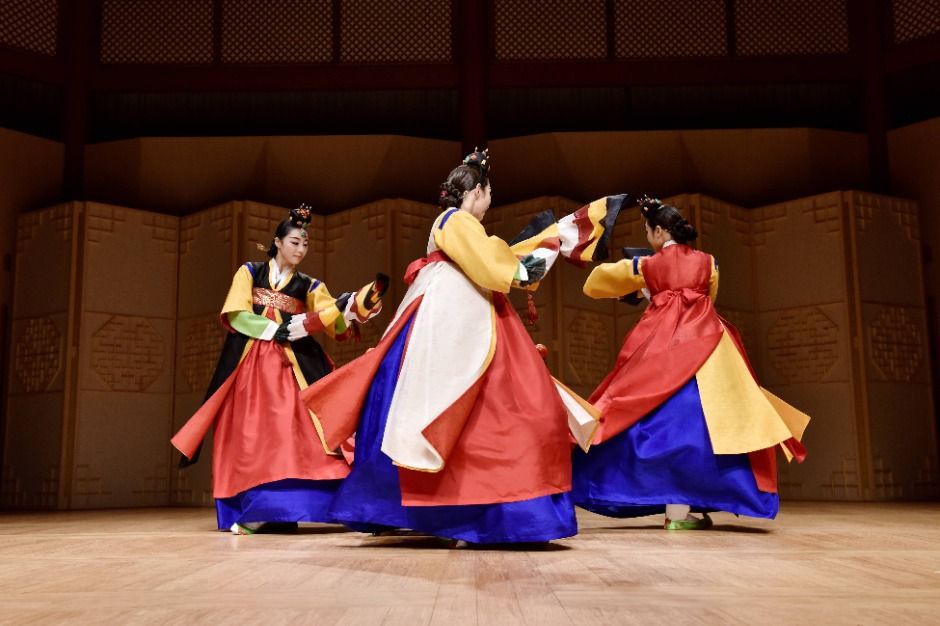
The Jamunbak Festival is a celebration of the artistic life of Seoulites. At the foot of Bukhansan Mountain, the festival features exhibitions, performances, forums, workshops, and field trips that bring together artists of different generations and citizens of Seoul—who have long led Korea’s artistic culture—to reflect on and propose new directions for their own artistic lives. The festival aims to create a platform where emerging artists experimenting with new aesthetics, mid-career artists who form the backbone of Korean art, collectors, critics, students, and the general public can all engage in dialogue together.
 English
 한국어
한국어 日本語
日本語 中文(简体)
 Deutsch
 Français
 Español
 Русский


