
GONGGAM HL MANAGEMENT Co., Ltd. ((주)공감에이치엘 매니지먼트)
2.0Km 2025-11-06
#B119, 59 Donhwamun-ro 11ga-gil, Jongno-gu, Seoul
JDI International is a company engaged in international patient attraction business.
We welcome patients from the United States, Europe, China, Russia, and Southeast Asia.
We provide foreign patients with reliable medical care in Korea and provide information on medical products that combine personalized care and tourism.
We specialize in providing customized medical services to foreign patients through partnership with various hospitals in Korea.
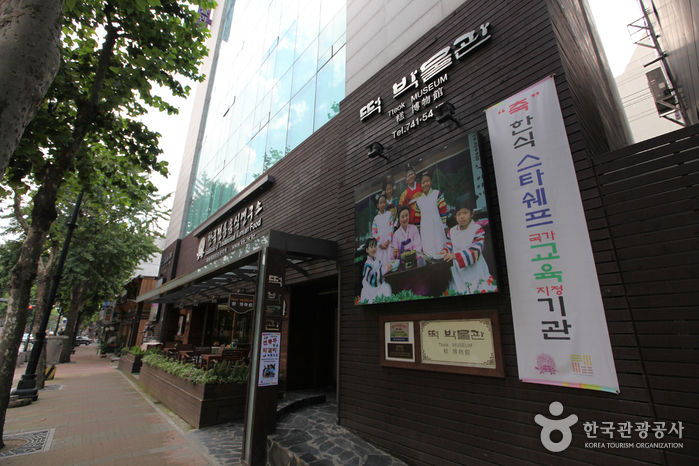
Tteok Museum (떡박물관)
2.1Km 2021-09-29
71, Donhwamun-ro, Jongno-gu, Seoul
The Tteok Museum displays over 2,000 Korean kitchen utensils and tteok (rice cake) related items, arranged by various themes. The displayed utensils are handmade household necessities that are ingenuous, yet reveal the lifestyle of the working class. The elderly may relive fond childhood memories and the younger generation can experience the wisdom of ancestors through the rare kitchen utensils.
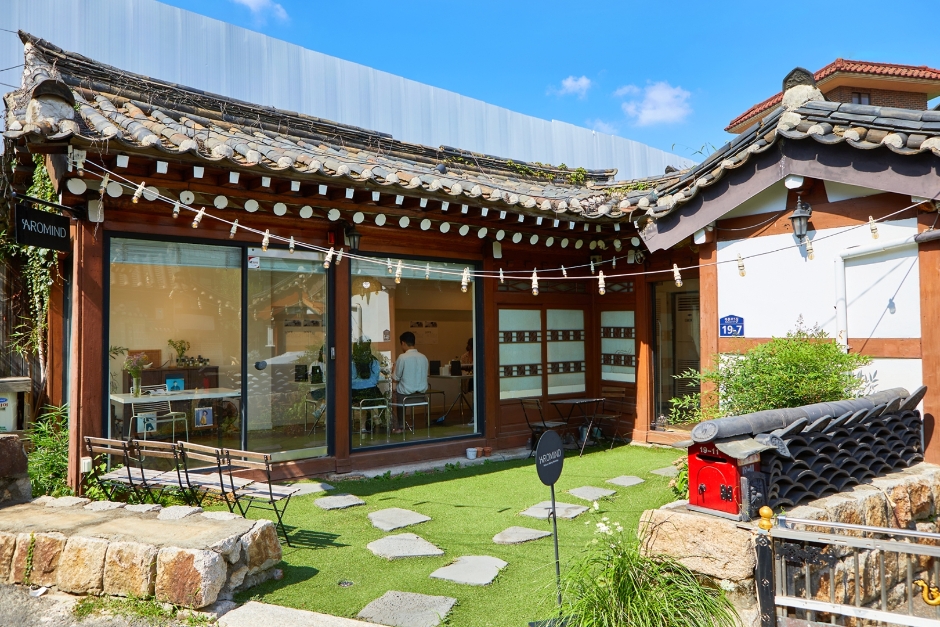
Aromind (아로마인드)
2.1Km 2024-01-30
19-7 Bukchon-ro 5-gil, Jongno-gu, Seoul
Aromind is a perfume workshop that offers a perfume-making experience with a professional perfumer in a quiet hanok building. Visitors can create their own one-of-a-kind perfume by choosing three out of 30 different scent options that change on a seasonal basis. A perfume one-day class is held for one to eight people for one to one and a half hours. The fee for the experience includes a 50 ml product and a 10 ml sample. They also offer the class in Korean with English interpretation when there non-Korean speaking participants. Aromind is the perfect place to create your own scent to associate your memory of Korea.
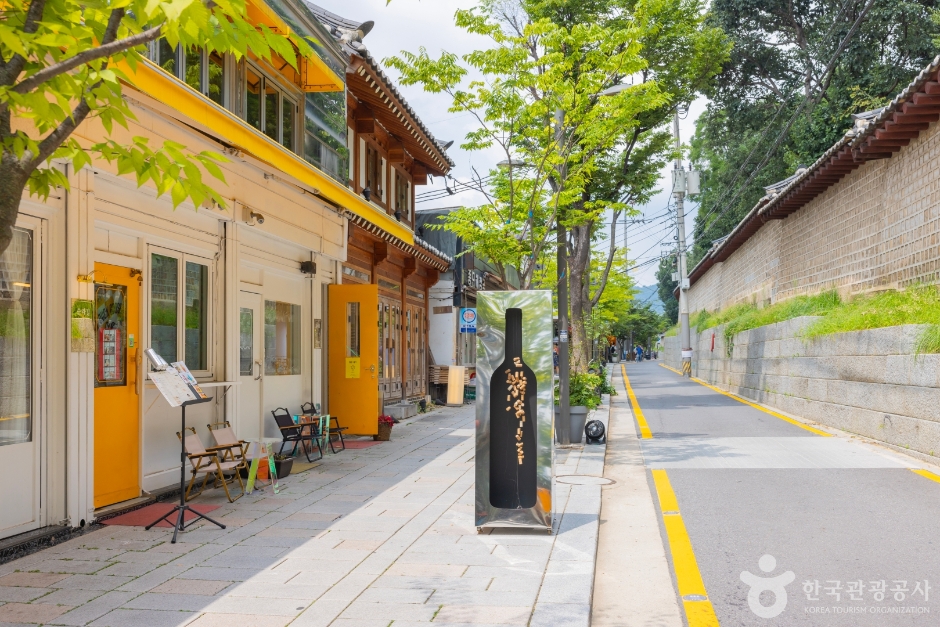
Seosulla-gil Road (서순라길)
2.1Km 2024-10-14
150-3 Jong-ro, Jongno-gu, Seoul
Seosulla-gil Road is a road that was used by the nightguards during the Joseon dynasty. The road is on the west of Jongmyo Shrine with various attractions nearby including Ikseon-dong, Insa-dong, Bukchon, and Samcheong-dong, as well as restaurants, cafes, and handicraft workshops. The road is also a beautiful date course with flowers in spring and fall foliage in autumn..
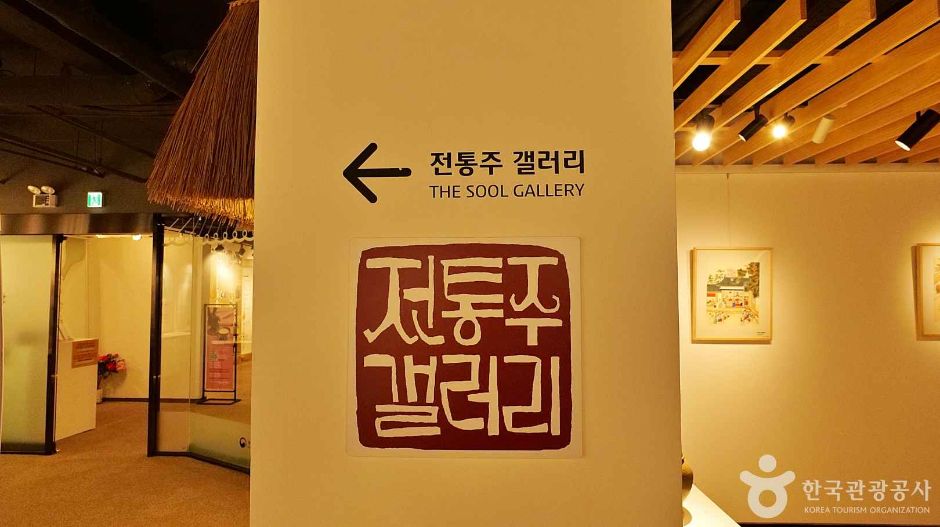
The Sool Gallery (전통주갤러리)
2.1Km 2025-06-19
18 Bukchon-ro, Jongno-gu, Seoul
The Sool Gallery is an exhibition and experience space for traditional Korean liquor, established to promote the taste, style, and cultural values of the time-honored traditional Korean liquor. It provides various information about traditional Korean liquor for consumers or international tourists who can rarely obtain such information elsewhere. In addition, it provides traditional liquor education and business counseling to food service businesses and sales experts to continuously create demand for traditional liquor and expand the market. It is run by experts specializing in traditional liquor, including traditional liquor sommeliers, and it holds events to introduce various traditional liquors with different themes every month, as well as tasting events. Moreover, according to the monthly changing “Recommended Traditional Liquor by Month,” it displays a drinking glass and a bottle of the month recommended by the Korea Craft & Design Foundation.
HANSIK Space E:eum (한식문화공간 이음)
2.1Km 2025-11-11
18 Bukchon-ro, Jongno-gu, Seoul
HANSIK Space E:eum, located in Jongno, is a cultural space operated by the Korean Food Promotion Institute. It offers visitors an opportunity to delve into Korean cuisine through exhibitions, performances, educational programs, and a library.
Kukje Gallery (국제갤러리)
2.1Km 2021-07-29
54, Samcheong-ro, Jongno-gu, Seoul
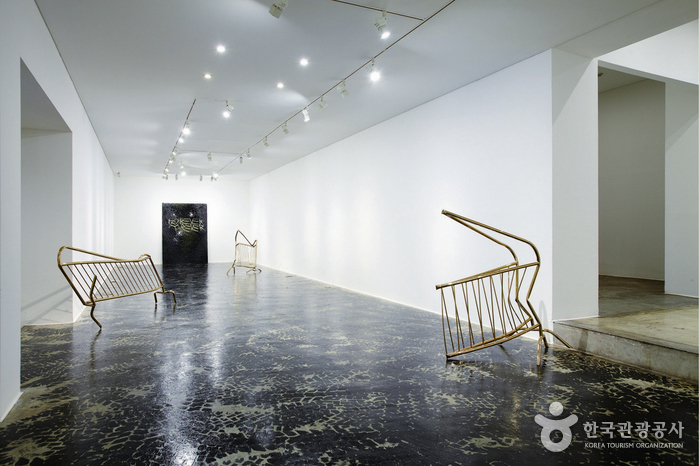
The Kukje Galley has been committed to presenting the work of significant Korean and international contemporary artists to the public since 1982. The gallery has established itself as a leading venue for international exhibits such as Helen Frankenthaler, Sam Francis, Jim Dine, Frank Stella, Robert Mangold, Anthony Caro, Cy Twombly, Edward Ruscha, Anselm Kiefer, Joseph Beuys, and Bill Viola, attracting enthusiastic responses from both the public and the media.
The gallery has placed emphasis on collaborations between artists, galleries, and art dealers around the world and nurturing upcoming artists by sponsoring their artwork and giving them international exposure.
Sewoon Plaza (세운상가)
2.1Km 2025-12-16
159 Cheonggyecheon-ro, Jongno-gu, Seoul
Makercity Sewoon is Korea's first comprehensive electronics market, established in 1968 and has a 40-year history. As a mecca in the urban electronics industry area located in Jongno, the center of Seoul, you can purchase various electronic products here.
Since 2014, Seoul's urban regeneration project has been underway, and a pedestrian overpass, rooftop observatory, plaza, and Makers Cube, where you can experience the 4th industrial revolution, have been created to provide unique attractions.
◎ Travel Information to Discover Hallyu’s Charm - K-Drama "Vincenzo (2021)"
"Vincenzo" depicts the story of Vincenzo (Song Joong-ki), an Italian mafia lawyer who teams up with the tenants of “Geumga Plaza” to protect a hidden stash of gold in the building from a powerful force. The building appearing as “Geumga Plaza” in the drama is none other than Seoul's Sewoon Plaza. Its retro-style aesthetic adds a unique ambience to the show and makes its scenes even more memorable.
Haeunjae (하은재)
2.1Km 2024-12-23
68-10 , Jahamun-ro, Jongno-gu, Seoul
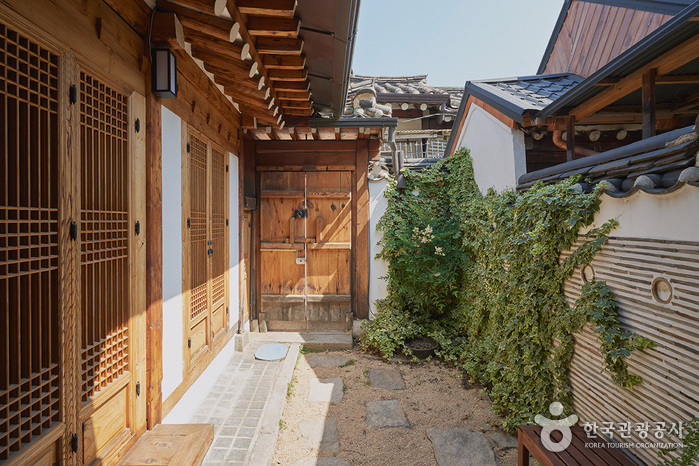
Ha Eunjae is a private hanok stay in Seochon Village, just west of Gyeongbokgung Palace in Seoul. The accommodation comprises a bedroom with queen-size bed, a kitchen, a movie room, and two bathrooms. The movie room is fitted out with a Bose sound system, a beam projector, and a large screen, with a movable footbath as a bonus. The kitchen is equipped for simple cooking. Guests staying 2 nights or more during the week receive a 10% discount, and towel replacement and cleaning services are provided for stays of 3 nights or more. Ha Eunjae is close to major tourist attractions such as Gyeongbokgung Palace and Samcheong-dong.
Sulla-gil Yeah Café & Bibi (순라길 예 & 비비)
2.1Km 2025-01-23
55 Seosulla-gil, Jongno-gu, Seoul
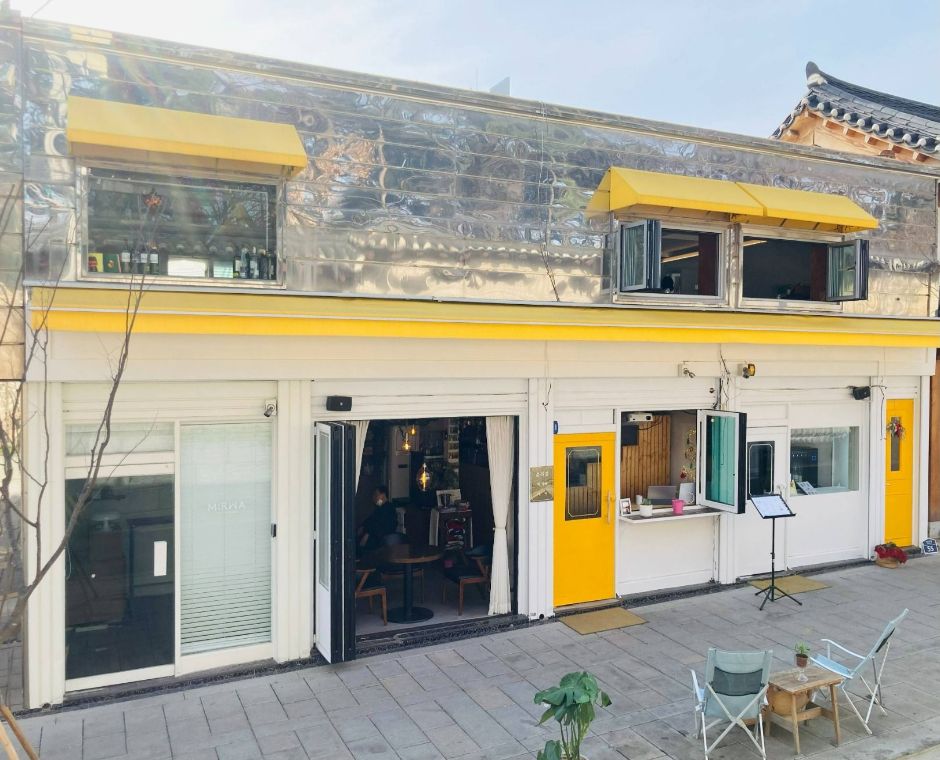
Situated in Sulla-gil, the Sulla-gil Yeah Café & Bibi is a roaster café where each bean is handpicked. It also offers a range of wine selections. The café is a perfect place to relax after exploring downtown Seoul. The cozy atmosphere of the café with the added charm of the stone wall visible from café, makes visitors feel at ease and relaxed. The evenings here turn into a music and movie session, adding a lively atmosphere to the space.
 English
 한국어
한국어 日本語
日本語 中文(简体)
 Deutsch
 Français
 Español
 Русский


