![Olive Young - Yeonsinnae Rodeo Branch [Tax Refund Shop] (올리브영 연신내로데오)](http://tong.visitkorea.or.kr/cms/resource/66/2888766_image2_1.jpg)
Olive Young - Yeonsinnae Rodeo Branch [Tax Refund Shop] (올리브영 연신내로데오)
7.0Km 2024-04-16
1F, 221, Yeonseo-ro, Eunpyeong-gu, Seoul
-
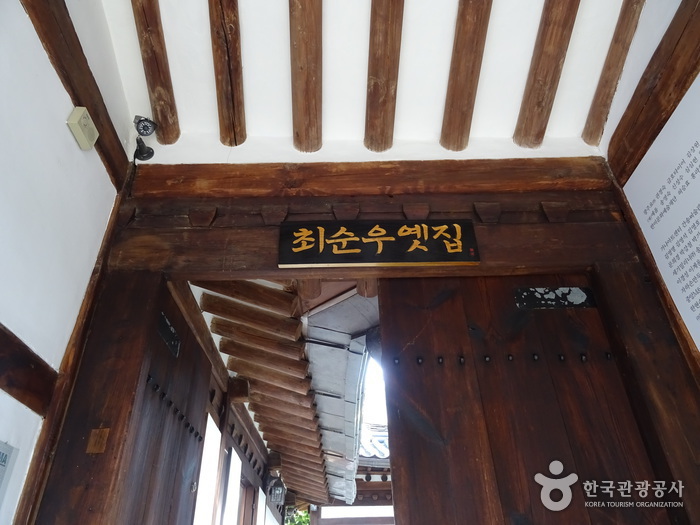
Choi Sunu House (최순우 옛집)
7.0Km 2021-12-21
9, Seongbuk-ro 15-gil, Seongbuk-gu, Seoul
+82-2-3675-3401
The Choi Sunu House is the old residence of Hyegok Choi Sunu (1916-1984), who lived in this house from 1976 until the day he passed away. The house is designated as Korea’s Registered Cultural Property. Choi Sunu was a leading art historian who served as the director of the National Museum of Korea. He devoted his life to rediscovering the beauty of Korean art and made many academic accomplishments in the areas of Korean ceramics, traditional woodcraft, and the history of painting.
The house has been open to the public as the Hyegok Choi Sunu Memorial Hall since 2004. The memorial hall displays Choi Sunu’s relics as a permanent exhibition and holds special exhibitions in the fall as well as cultural programs every spring and fall.
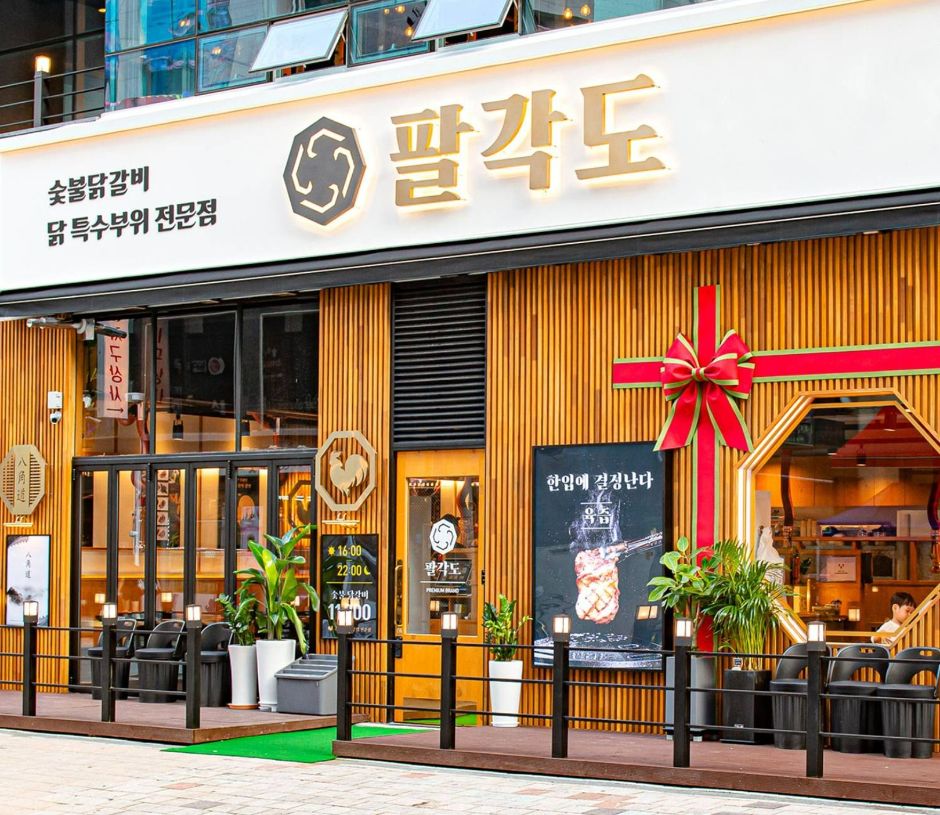
Palgakdo Main Branch (팔각도 본점)
7.0Km 2025-01-23
643 Gyeongin-ro, Guro-gu, Seoul
Palgakdo is a restaurant specializing in charcoal-grilled chicken cuts. The chicken is cooked over charcoal, making it tender and juicy. Visitors can try various chicken parts paired with delicious side dishes and sauces. The store’s unique interior, inspired by a pentagon theme, makes it a great place for dates and group gatherings.

Seoul National Cemetery (국립서울현충원)
7.0Km 2024-03-07
210, Hyeonchung-ro, Dongjak-gu, Seoul
+82-2-813-9625
Seoul National Cemetery is a national cemetery for individuals who worked or fought for Korea and sacrificed their lives. It encompasses those who fought for Korea's independence from the late 19th century to the early 20th century, those who perished in the Korean War (1950-1953), and former presidents, totaling over 165,000 individuals. There are exhibition halls and parks with related artifacts. Shuttle buses are provided for the convenience of visitors.
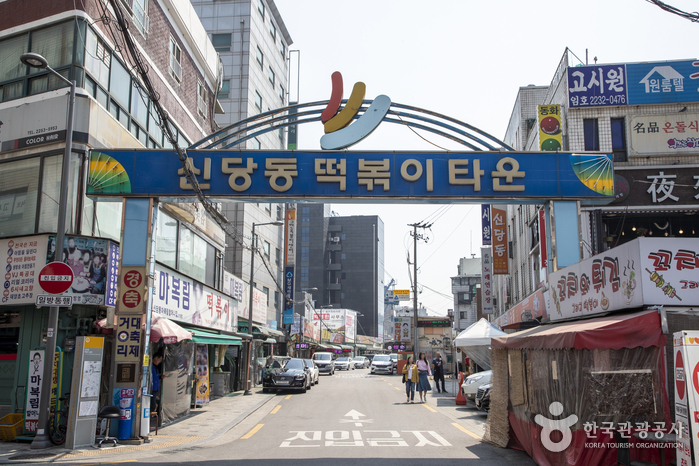
Sindang-dong Tteokbokki Town (신당동떡볶이골목)
7.0Km 2022-10-25
10-18, Dasan-ro 33-gil, Jung-gu, Seoul
+82-2-2236-9135
Sindang-dongTteokbokki Town started in the late '70s, although the alley did not become famous until the '80s. At that time, each restaurant had its own DJ booth, with the image of the "cool DJ" who played the music becoming a symbol of Sindang-dong Tteokbokki Town. In addition, this period also marked the prime time of high school baseball where students would crowd the streets on days when Duksoo Commercial High School and Sunrin Commercial High School (now Sunrin Internet High School) played against one another. Although these high school students have aged, they continue to visit the area, reliving their youth and continuing to indulge in the specialty tteokbokki.
However, some claim the history of this alley began in the 1950s. The owner of Mabongnim Halmeoni Tteokbokki restaurant says tteokbokki was being sold as early as 1953 as the area used to be home to Donga Theater and she sold tteokbokki, corn and potatoes to those visiting the theater. At first, tteokbokki was simply made with gochujang (red chili paste) but as time went by, cooks decided the dish could be more than just a snack. By adding ingredients like eggs, cellophane noodles, fish cakes, instant noodles and more recently squid, prawn and cheese, tteokbokki can be made more delicious and turns this beloved snack into a full meal.

I Love Sindangdong Tteokbokki (아이러브신당동떡볶이)
7.0Km 2024-03-07
50, Toegye-ro 76-gil, Jung-gu, Seoul
+82-2-2232-7872
Situated in Sindang-dong Tteokbokki Town, I Love Sindangdong Tteokbokki is a famous tteokbokki restaurant. Tteokbokki is a typical Korean street food, consisting of rice cakes made with flour or rice flour and stir-fried in red chili paste. The rice cakes are simmered in a broth with seasonings, along with fish cakes, vegetables, boiled eggs, mandu, and other ingredients. The best thing is that the dish can be customized with various ingredients such as cheese, ramyeon noodles, chewy noodles, and ham. Leftover broth can be fried with rice for a satisfying meal.
![Himart - Cheonggu Branch [Tax Refund Shop] (하이마트 청구점)](http://tong.visitkorea.or.kr/cms/resource/46/2889946_image2_1.jpg)
Himart - Cheonggu Branch [Tax Refund Shop] (하이마트 청구점)
7.0Km 2024-04-18
210, Dasan-ro, Jung-gu, Seoul
-
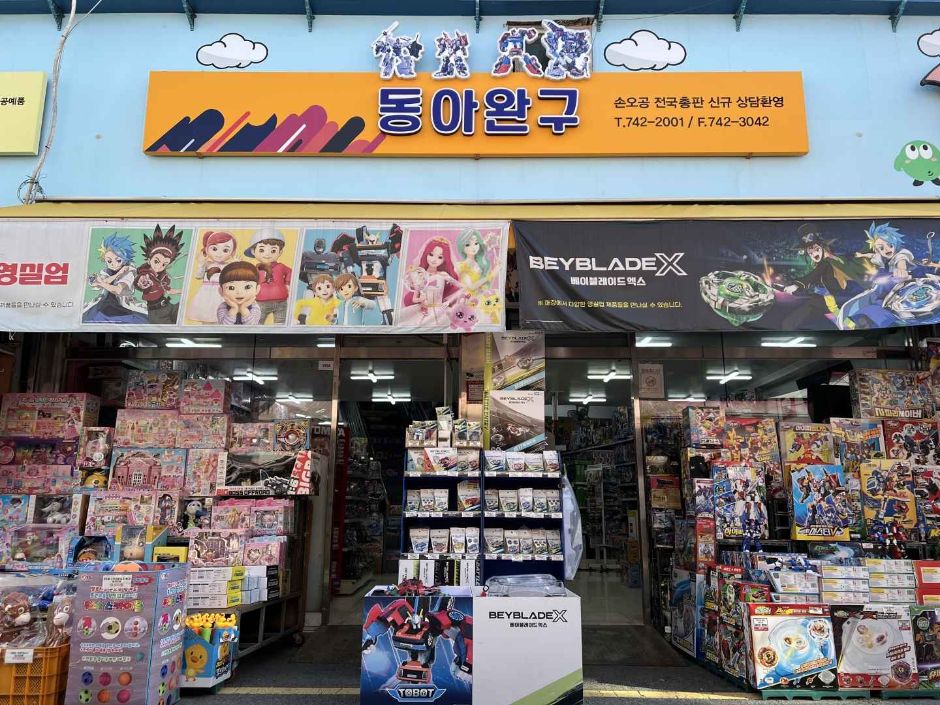
Donga Stationery (동아완구)
7.0Km 2024-09-11
5 Jong-ro 52-gil, Jongno-gu, Seoul
Donga Stationery is a stationery store located along Changsin-dong Stationery Street. The stop offers a full range of stationery and character goods and is popular among children and adults alike. The shop is located right by Dongdaemun Station (Seoul Subway Line 1), Exit 4, making it easily accessible.
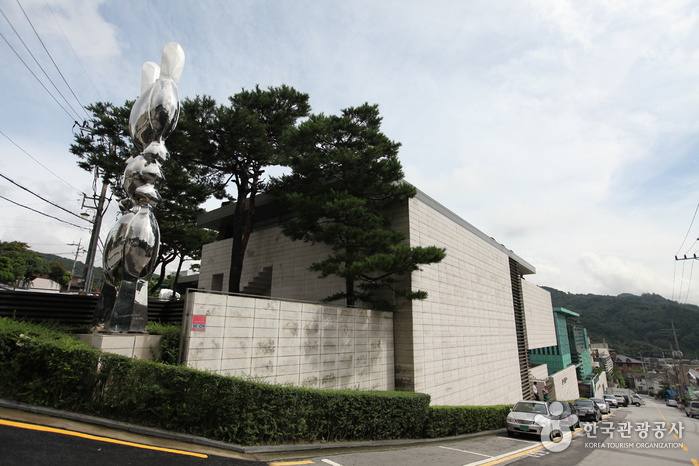
Gana Art Center (가나아트센터)
7.0Km 2024-03-18
28 Pyeongchang 30-gil, Jongno-gu, Seoul
The Gana Art Center located at the foothills of Bukhansan Mountain has been showcasing more than 300 exhibitions since its opening in 1983. Through both national and international exhibitions, the Gana Art Center is a recognized gellery. With numerous fairs and exhibitions, Gana Art Center not only invite internationally known artists, but also promotes other forms of art, such as music, theater, mime, etc. Through their flexibility in promoting all art forms, the visitors will surely be able to find the theme of their interest.
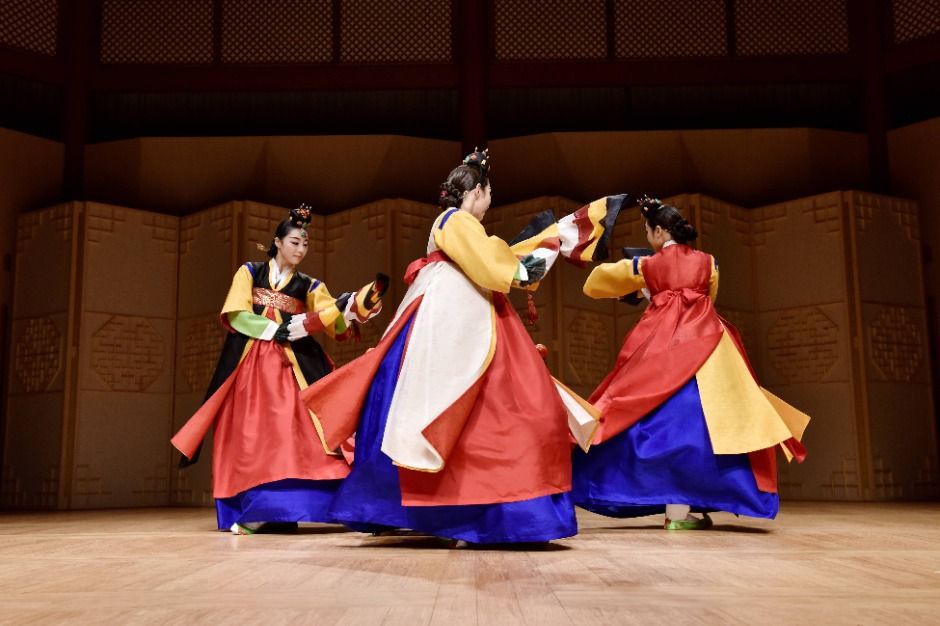
Jamunbak Cultural Festival (자문밖문화축제)
7.0Km 2025-10-23
5 Pyeongchang 31-gil, Jongno-gu, Seoul
+82-2-6365-1388
The Jamunbak Festival is a celebration of the artistic life of Seoulites. At the foot of Bukhansan Mountain, the festival features exhibitions, performances, forums, workshops, and field trips that bring together artists of different generations and citizens of Seoul—who have long led Korea’s artistic culture—to reflect on and propose new directions for their own artistic lives. The festival aims to create a platform where emerging artists experimenting with new aesthetics, mid-career artists who form the backbone of Korean art, collectors, critics, students, and the general public can all engage in dialogue together.
 English
 한국어
한국어 日本語
日本語 中文(简体)
 Deutsch
 Français
 Español
 Русский


