Hoengseong Hanu Festival (횡성한우축제)
2026-09-07
221 Bukcheon-ri, Hoengseong-eup, Hoengseong-gun, Gangwon-do
+82-33-808-8007
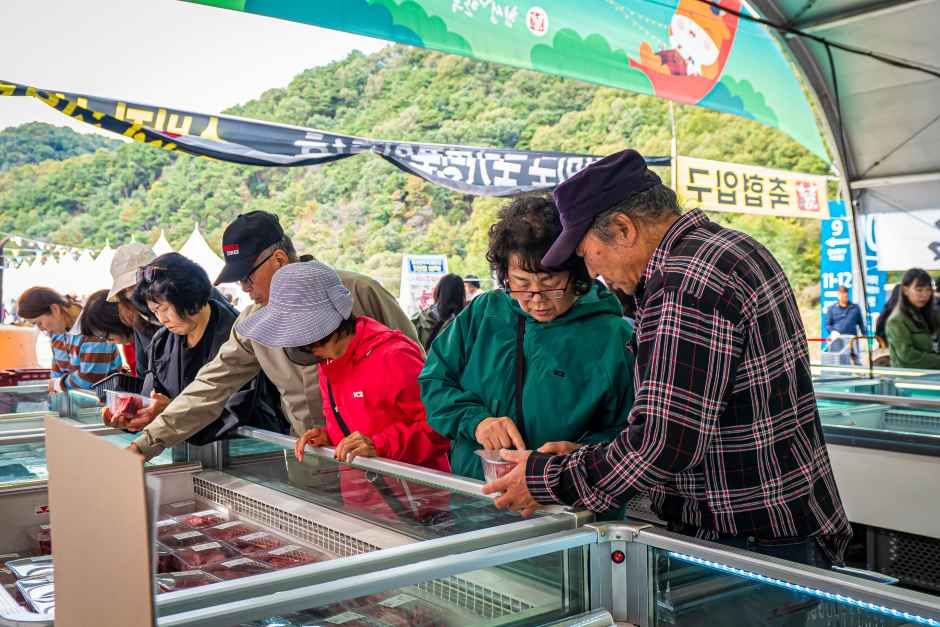
Hoengseong Hanu Festival is the biggest hanu (Korean cattle) festival in Korea. Visitors can buy hanu and local agricultural products at a discounted price. The festival consists of various programs across three themes: food, culture and arts, and experiences.

Bucheon International Comics Festival (부천국제만화축제)
2026-08-31
1, Gilju-ro, Wonmi-gu, Bucheon-si, Gyeonggi-do
+82-32-310-3071
Celebrating its 29th edition in 2026, the Bucheon International Comics Festival (BICOF) is one of Korea’s leading cultural tourism festivals devoted to comics and webtoons, offering something for everyone who loves the medium. This year’s festival, held under the theme “Comics & Webtoons: Easy to Love, Endless to Enjoy,” features a wide range of comic-related programs and cultural experiences designed to make the event more engaging and enjoyable for visitors. Highlights include curated and special exhibitions, meet-the-artist sessions for comics fans, the BICOF Playground and outdoor market booths offering a variety of hands-on experiences, and the International Cosplay Championship, which brings together cosplayers from 14 countries around the world.
Busan International Travel Exhibition (부산국제관광박람회)
2021-10-01
55, APEC-ro, Haeundae-gu, Busan
• 1330 Travel Hotline: +82-2-1330 (Korean, English, Japanese, Chinese) • For more info: +82-2-757-6161
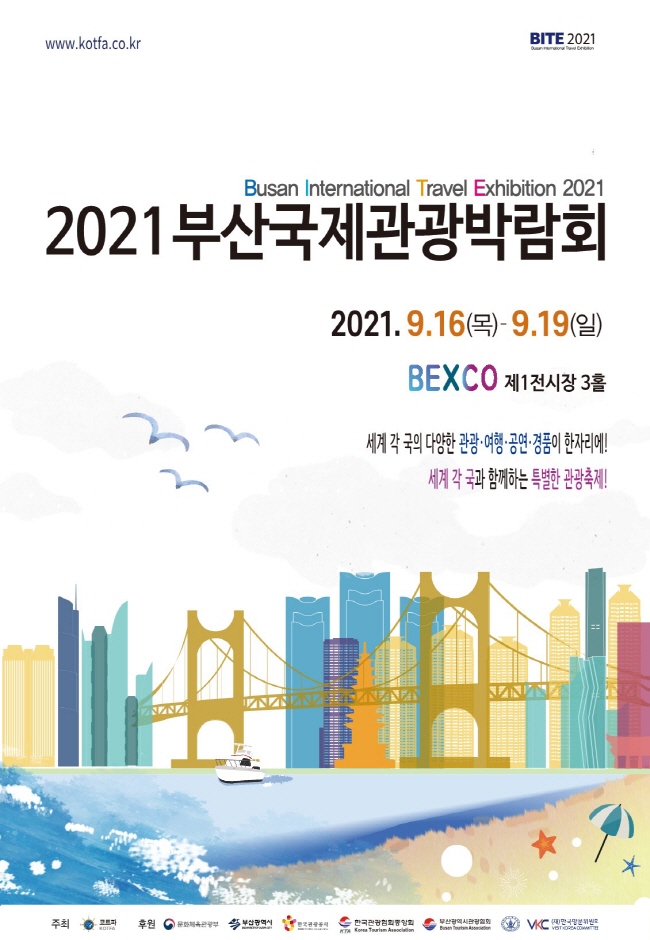
The Busan International Travel Exhibition, taking place at BEXCO, focuses on travel and convention for both local and international tourists. The first day consists of the opening ceremony, online travel mart, travel information session, and seminars.
Chuncheon Ani Town Festival (춘천 애니타운 페스티벌)
2025-08-14
854 Baksa-ro, Chuncheon-si, Gangwon-do
+82-70-4103-4711
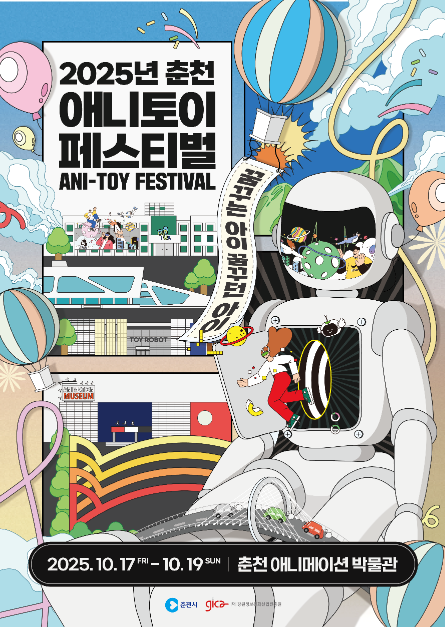
Chuncheon Ani Town Festival is host by Chuncheon Animation Museum to celebrate the success of domestically created animations, featuring contests, creative animations for the opening ceremony, a 3D movie festival, product consultations, and other events.
Bonghwa Sweetfish Festival (봉화은어축제)
2024-11-28
Naeseong-ri, Bonghwa-gun, Gyeongsangbuk-do
• 1330 Travel Hotline: +82-2-1330 (Korean, English, Japanese, Chinese) • For more info: +82-54-674-3053
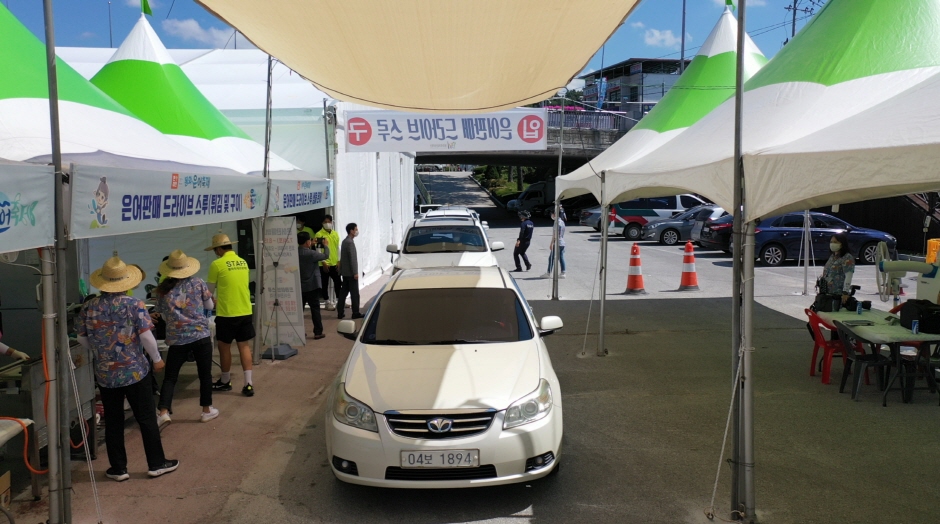
Bonghwa Sweetfish Festival is one of Korea's prime summer festivals and celebrates the local specialty product of sweetfish. The sweetfish from Bonghwa are recorded as having been given as tribute to the king during the Joseon dynasty. The highest-quality sweetfish come from the upstream sections of the Nakdonggang and Seomjingang Rivers, where Bonghwa-gun is located. The festival offers numerous participatory programs including fishing, water play, a water fight, and agricultural experiences. Visitors who participate in fishing activities can feast on their catch.
Seoul International Dance Festival (서울세계무용축제)
2022-10-13
56, World Cup buk-ro 5-gil, Mapo-gu, Seoul
• 1330 Travel Hotline: +82-2-1330 (Korean, English, Japanese, Chinese)
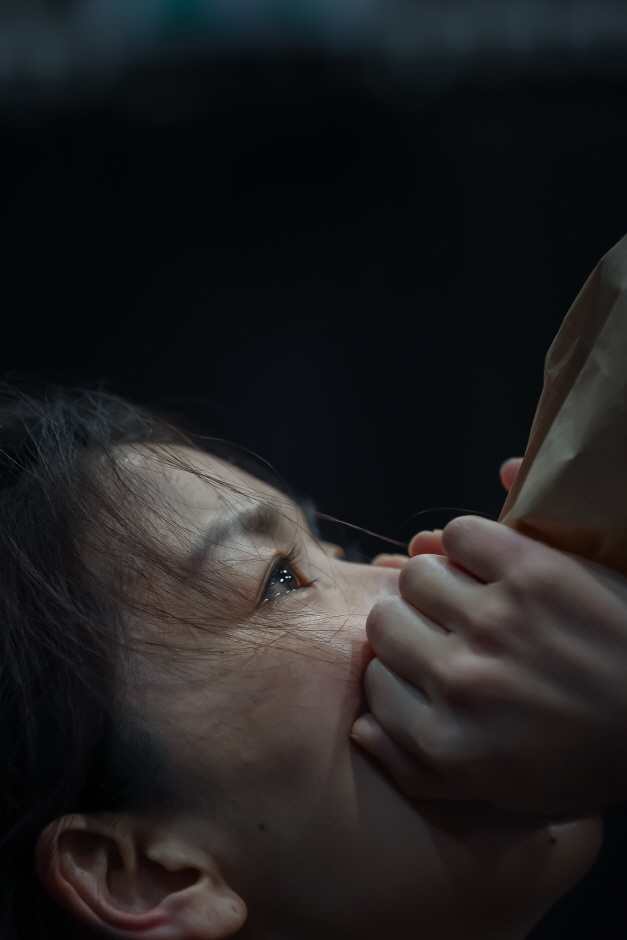
SIDance (Seoul International Dance Festival) is a regular international festival, hosted by the Seoul Section of CID-UNESCO. The festival took on the role as a pioneer in promoting international exchange among dancers around the globe. It aims to inspire creators and broaden their perspectives while offering unique and original performances to the audience. Today, the festival is acclaimed Korea's largest scale authentic international dance festival.

Geumsan World K-Insam Festival (금산세계인삼축제)
2026-09-03
30, Insamgwangjang-ro, Geumsan-eup, Geumsan-gun, Chungcheongnam-do
+82-41-750-2316
Held in Geumsan, Chungcheongnam-do, long known as the home of ginseng with a history spanning more than 1,500 years, the Geumsan World K-Insam Festival invites visitors of all ages to experience ginseng in every form. The festival features hands-on programs such as ginseng digging, red ginseng facial mask treatments, red ginseng foot baths, traditional ginseng culture experiences, and the International Ginseng Trade Fair, along with opportunities to shop for ginseng products at reasonable prices. Across the festival grounds, visitors can also enjoy healthy dishes made with ginseng and medicinal herbs. Held annually since 1981, the festival has become one of Korea’s leading industry-based festivals. It has been named one of Korea’s Top Cultural Tourism Festivals by the Ministry of Culture, Sports and Tourism 10 times and was selected as an Asian Specialty Festival by IFEA World in 2024. Today, the Geumsan World K-Insam Festival continues to grow as a global festival enjoyed by visitors from Korea and beyond.
Busan International Rock Festival (부산국제록페스티벌)
2026-06-18
29-50, Samnak-dong, Sasang-gu, Busan
+82-51-713-5000
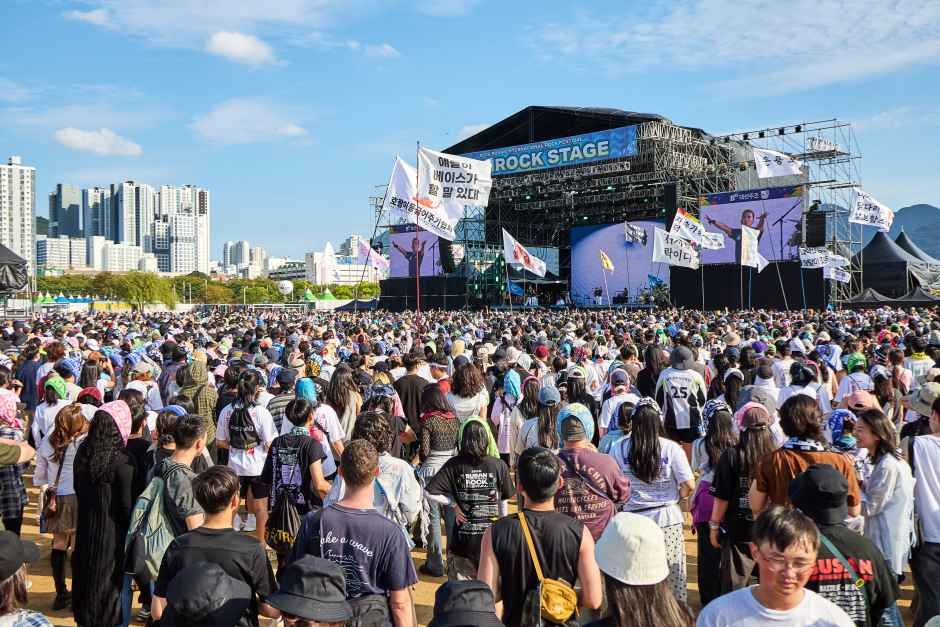
First held in 2000, the Busan International Rock Festival is Korea’s first and longest-running international rock festival. In 2026, the 27th edition will take place over three days, from Friday, October 2 to Sunday, October 4, at Samnak Eco Park, featuring a diverse lineup of Korean and international artists. Stages set throughout the park will showcase everything from emerging talent to world-renowned headliners. Beyond the performances, visitors can also enjoy a variety of festival attractions, including interactive games, food court lounges, camping zones, and other special side events.
Busan Sea Festival (부산바다축제)
2026-09-01
Dadae-dong, Saha-gu, Busan
+82-51-713-5000
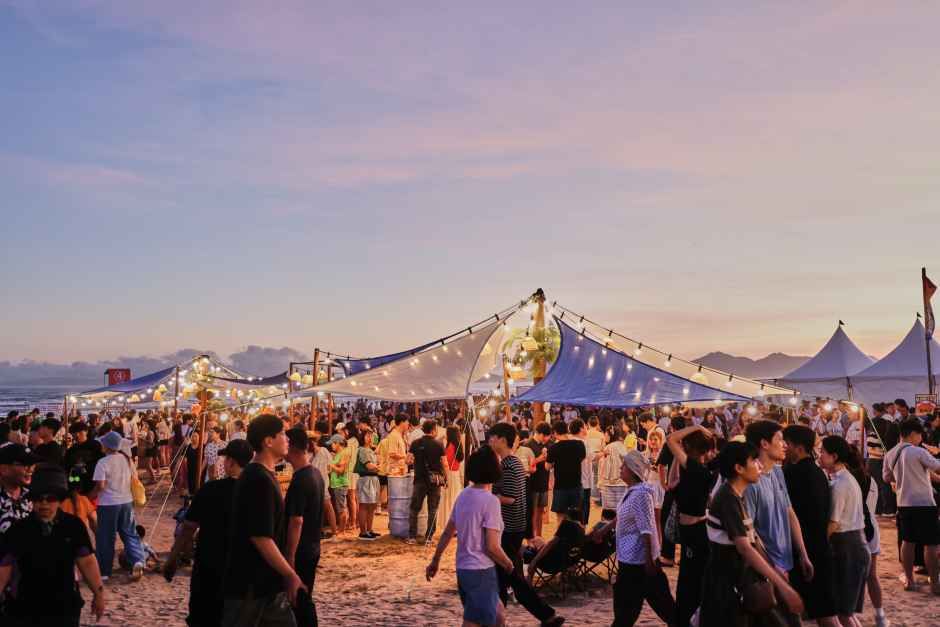
The Busan Sea Festival takes place at Dadaepo Beach and offers various cultural events and unique hands-on programs. All programs take place against the backdrop of the beautiful beach and sunset, and are carefully organized for a fun and lively event.
Korea World Travel Fair (한국국제관광전)
2019-06-11
513, Yeongdong-daero, Gangnam-gu, Seoul
• 1330 Travel Hotline: +82-2-1330 (Korean, English, Japanese, Chinese) • For more info: +82-2-757-6161
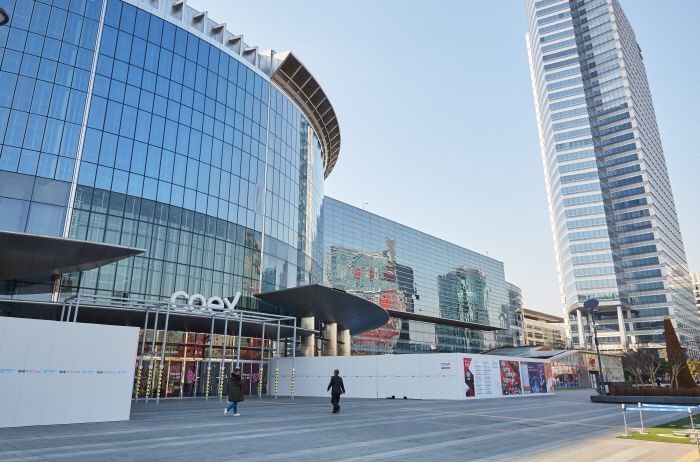
Korean World Travel Fair, Korea’s longest and most reliable travel fair, will take place. The fair aims to actively communicate new tour ideas, tour items, and tourism information from nearly 500 participating companies from 60 different nations. As part of the fair, various events including the promotion of tour items and destinations, exhibitions of tourism souvenirs, tourism seminars and world folk performances will take place.
 English
 한국어
한국어 日本語
日本語 中文(简体)
 Deutsch
 Français
 Español
 Русский


