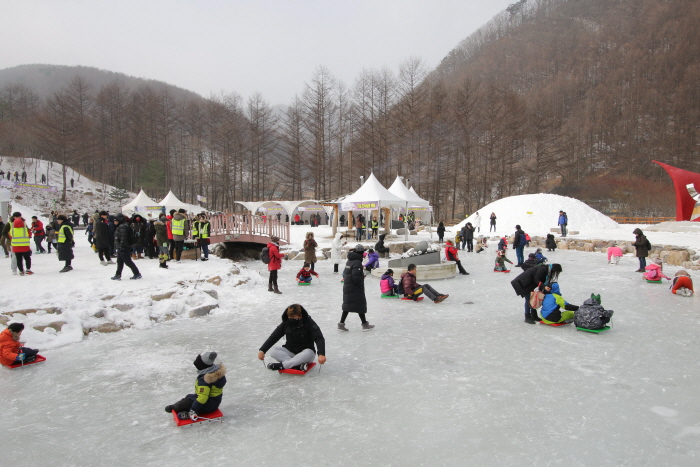
Taebaeksan Mountain Snow Festival (태백산 눈축제)
2024-01-03
168 Cheonjedan-gil, Taebaek-si, Gangwon-do
+82-33-553-6900
Taebaeksan Mountain Snow Festival is a festive winter event that takes place admist the grandeur of the Taebaeksan Mountain. Various programs like snow carving contest, snow sculpture exhibition, ice sledding, igloo café and more are planned for entertainment and fun.

Hanwha Seoul International Fireworks Festival (한화와 함께하는 서울세계불꽃축제)
2026-08-26
330 Yeouidong-ro, Yeongdeungpo-gu, Seoul
+82-02-519-9778
Hanwha Seoul International Fireworks Festival, a large festival in Korea, is an annual event organized by Hanwha Group since 2000. Every year, major fireworks teams are invited to perform fireworks displays and to light up the night sky of Yeouido. The event is also filled with various subsidiary events during the daytime.
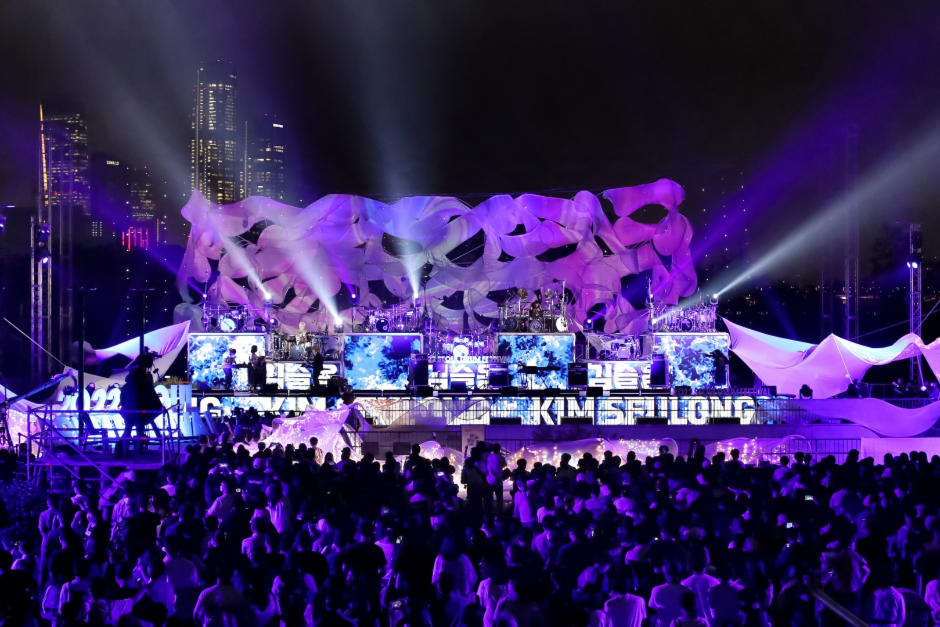
Seoul Drum Festival (서울드럼페스티벌)
2024-04-25
445 Yangneong-ro, Yongsan-gu, Seoul
+82-2-537-7109
Seoul Drum Festival is a representative music festival in Seoul that has been held in spring since 1999. The festival features performances by Korean and international artists along with exhibition and experience booths to learn more about drums. Participants of all ages can joyfully experience percussion in person through hands-on activities.

Chungjang Street Festival of Recollection (광주 추억의 충장축제)
2026-09-03
226-22, Geumnam-ro, Dong-gu, Jeonnam-Gwangju Special Metropolitan City
+82-62-608-4672
The Chungjang Street Festival of Recollection is Gwangju’s largest signature festival, originating on Chungjang-ro in Dong-gu. Built around the universal theme of memories, it is Korea’s first festival of its kind, bringing together people of all generations and backgrounds. Geumnam-ro and May 18 Democracy Square, the festival’s main venues, hold profound significance in the history of democracy. They symbolize not only remembrance of the past but also Gwangju’s journey toward a hopeful future. Recognized for its excellence, the festival has been designated by the Ministry of Culture, Sports and Tourism as both a Cultural Tourism Festival and an Honorary Cultural Tourism Festival. It has also gained international recognition through consecutive honors at the Asia’s Pinnacle Awards and Gwangju’s designation as a World Festival City. Looking ahead, the festival aims to grow into a truly international event through collaboration with the Asia Culture Center, embracing the cultures and shared memories of Asia. In doing so, it strengthens Gwangju's role as a leading cultural city of Asia and provides a meaningful platform for communication and harmony through culture.
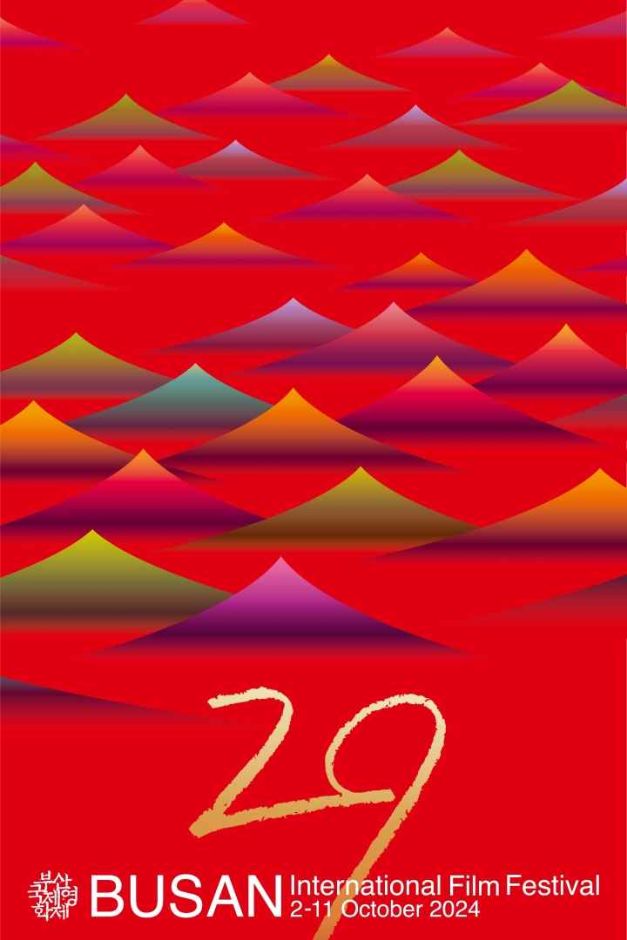
Busan International Film Festival (BIFF) (부산국제영화제)
2025-08-08
120 Suyeonggangbyeon-daero, Haeundae-gu, Busan
+82- 688-3010
Busan International Film Festival (BIFF) was the first international film festival in Korea that is now considered one of the biggest in Asia.
The festival boosted Busan as a city of culture and art, while helping the Korean film industry by improving production and distribution. The festival also helps search for talented movie directors and unknown movies through previewing various film genres.
The festival plans to continue its work of making Busan the heart of the film industry, increasing the market and investment to improve the film industry.
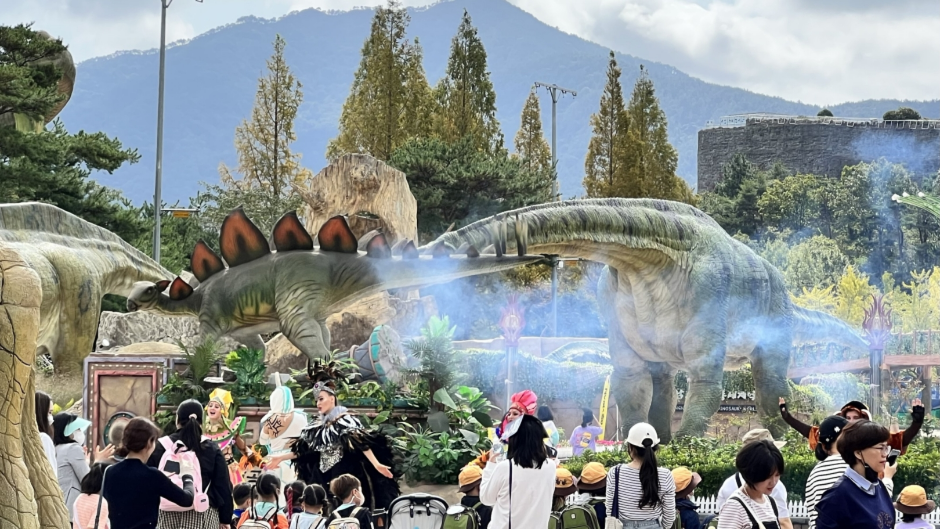
Gyeongnam Goseong Dinosaur World Expo (경남고성공룡세계엑스포)
2023-09-18
1116, Danghangman-ro, Goseong-gun, Gyeongsangnam-do
+82-55-670-3814
Gyeongnam Goseong Dinosaur World Expo takes place in the area of Danghangpo Tourist Resort, where visitors can meet dinosaurs in many different ways. The festival operates various exhibitions and hands-on program facilities including Dinosaur Hill, Character Hall, Dinosaurs Footprint Fossil Hall, AR/VR Hall and more. Many events, activities and parades are also planned for additional fun.
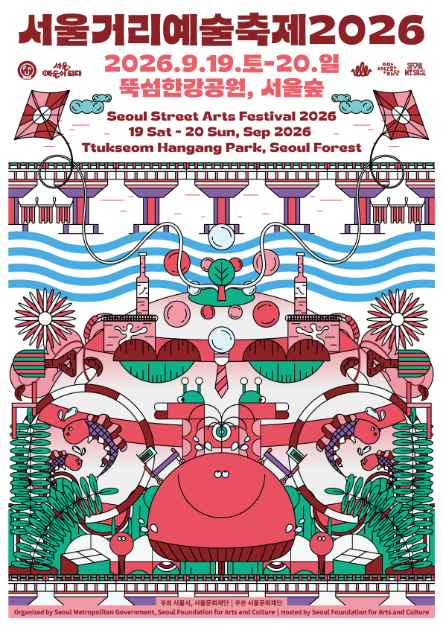
Seoul Street Arts Festival (서울거리예술축제)
2026-08-24
10 Neungdong-ro, Gwangjin-gu, Seoul
+82-2-2088-4957
Seoul Street Arts Festival is held in Ttukseom Hangang Park and Seoul Forest. This year's festival presents international performances from France, Lithuania, Chile and more, in addition to local performances.
Yeongdeok Snow Crab Festival (영덕대게축제)
2025-03-15
Opo-ri, Ganggu-myeon, Yeongdeok-gun, Gyeongsangbuk-do
+82-10-2894-5530
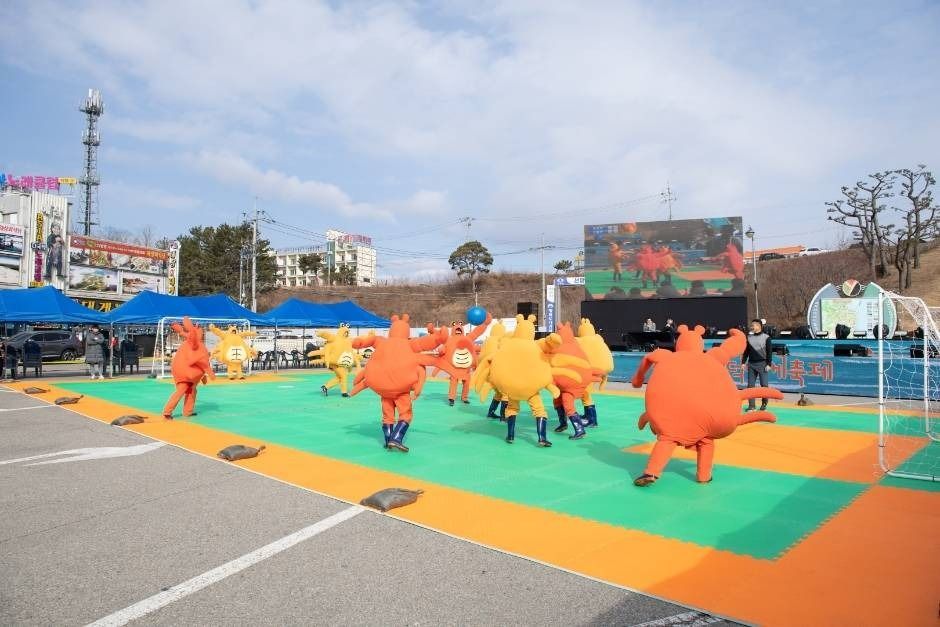
Yeongdeok Snow Crab Festival is an annual event that celebrates local snow crabs, which were once served to kings. Among festival highlights, the Snow Crab Public Auction as well as the snow crab market are the most popular. In addition, visitors can ride a snow crab fishing boat, enjoy busking performances, and sample various snow crab dishes.

Buyeo Seodong Lotus Festival (부여서동연꽃축제)
2022-05-04
52, Gungnam-ro, Buyeo-gun, Chungcheongnam-do
• 1330 Travel Hotline: +82-2-1330 (Korean, English, Japanese, Chinese) • For more info: +82-41-830-2208
Buyeo Seodong Lotus Festival has been designated as an excellent festival four years in a row by the Ministry of Culture, Sports and Tourism. The festival takes place every July during the summer's peak when the lotus flowers bloom. The festival is based on a historical love story, with programs and performance events focused on story delivery. The festival venue is designed to fit in with the natural settings nearby, serving as a perfect backdrop for taking memorable photos with families and friends.
Jecheon International Music & Film Festival (제천국제음악영화제)
2022-08-16
1 , Uibyeong-daero 18-gil, Jecheon-si, Chungcheongbuk-do
• 1330 Travel Hotline: +82-2-1330 (Korean, English, Japanese, Chinese) • For more info: +82-43-646-2242
As the only festival in Korea to celebrate films tied to the theme of music, Jecheon International Music & Film Festival (JIMFF) aims to expand the film genre and contribute to the diversification of film festivals. The main program shows music-themed films and documentaries from around the world, while the music program stages multiple concerts featuring various popular and alternative musicians. The festival is dedicated to fill the air with lively energy by bringing joy through music and films.
 English
 한국어
한국어 日本語
日本語 中文(简体)
 Deutsch
 Français
 Español
 Русский


